
Jack Ketchum Books in Order
This page lists Jack Ketchum books in order, with quick summaries, linked series, and easy where-to-start notes for his bleakest horror and suspense novels.
Last updated: 1 new book added
As an Amazon Associate, we earn from qualifying purchases (at no extra cost to you).
Jack Ketchum books in publication order
41 books
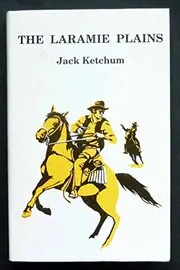
Laramie Plains
by Jack Ketchum
1974
A frontier western from Ketchum's early career, set against wide country and narrow margins for survival. The appeal is the stripped-down pace, the hard choices, and the sense that violence can arrive without warning.
Border Dawn
by Jack Ketchum
1976
An early western from Ketchum, centered on borderland danger, shifting loyalties, and the kind of trouble that grows fast in open country. It is brisk, tough, and written with an eye for mounting pressure.
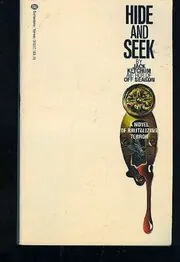
Hide and Seek
by Jack Ketchum
1980
Bored young people in Dead River turn a reckless summer game into something far worse when they enter a reputedly haunted house. It starts as dares and attraction, then slides into violence, fear, and the sense that bad choices cannot be undone.
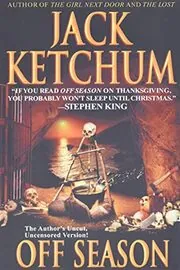
Off Season
by Jack Ketchum
1980
A New York editor and her friends retreat to Dead River, Maine, only to discover a feral cannibal family watching from the woods. Ketchum's breakout novel is a savage siege story that helped define modern extreme horror.
Dead or alive
by Jack Ketchum
1982
One of Ketchum's early westerns, this is frontier fiction driven by pursuit, gunfire, and rough justice. It has the lean pace of a paperback western, with danger closing in from every direction.
The Guns of Amarillo
by Jack Ketchum
1982
An early western set in hard country, where weapons, reputation, and nerve matter more than law. Fast-moving and stripped down, it delivers the kind of frontier showdown story Ketchum wrote before his horror career took over.
Winchester pass
by Jack Ketchum
1982
A short western about dangerous ground, desperate choices, and the people trying to cross it alive. Like Ketchum's other early frontier novels, it favors speed, pressure, and a final reckoning over ornament.
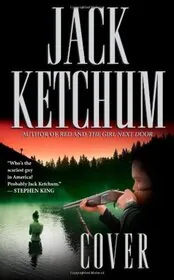
Cover
by Jack Ketchum
1987
A weekend retreat in the wilderness turns into a siege when a traumatized Vietnam veteran decides everyone he meets is the enemy. Ketchum strips the setup to survival basics and lets the isolation do the rest.
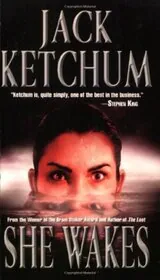
She Wakes
by Jack Ketchum
1989
In Greece, an ancient force wakes in the form of a seductive killer who draws tourists and believers into bloodshed. One of Ketchum's few openly supernatural novels, it mixes myth, prophecy, and pulp-horror momentum.
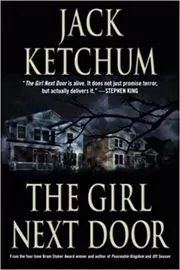
The Girl Next Door
by Jack Ketchum
1989
On a quiet suburban street, teenaged Meg and Susan fall into the hands of a woman and neighborhood kids who turn cruelty into torture. Told through the eyes of a boy next door, it is one of Ketchum's most devastating novels.
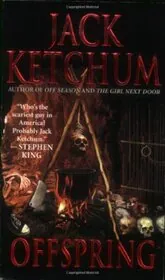
Offspring
by Jack Ketchum
1991
Years after the massacre in Dead River, the cannibal clan has survived and grown. As the town faces a new wave of attacks, Ketchum turns the sequel into a brutal survival story about families, fear, and fighting back.
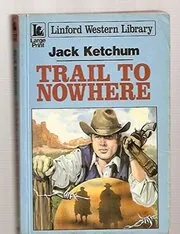
Trail to Nowhere
by Jack Ketchum
1991
An early western from Ketchum, built around hard travel, danger on the frontier, and the promise of escape that keeps slipping away. Lean and fast, it shows his interest in pressure, violence, and bad choices before the horror years.
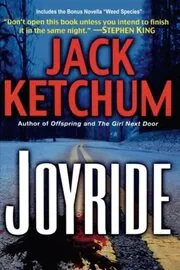
Joyride / Road Kill
by Jack Ketchum
1994
After Carol and her lover kill her abusive ex-husband, they think the worst is over. Then a stranger named Wayne inserts himself into their crime and turns escape into a road trip powered by paranoia, manipulation, and murder.

The Box
by Jack Ketchum
1994
On a holiday train ride, a curious boy looks inside a stranger's box and is changed by what he sees. Ketchum builds unforgettable horror from one small, ordinary moment and never fully lets the reader look away.
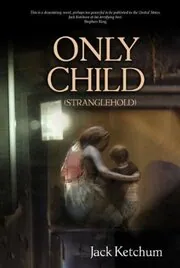
Only Child
by Jack Ketchum
1995
Arthur Danse is charming until the mask slips, and Lydia realizes she must save herself and her son from a man who feeds on fear. Published in the US as Stranglehold, it is one of Ketchum's bleakest domestic nightmares.
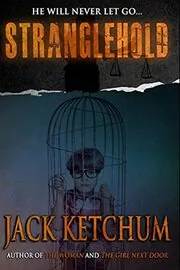
Stranglehold
by Jack Ketchum
1995
Lydia Danse is trying to protect her young son from her increasingly terrifying husband, Arthur, a controlling man who treats family as property. Ketchum turns custody, abuse, and the failures of the system into relentless domestic suspense.
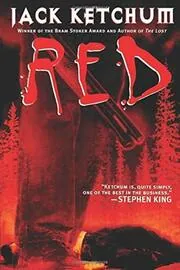
Red
by Jack Ketchum
1996
After three rich teens shoot his dog for no reason, older widower Avery Ludlow asks only for a little justice and gets stonewalled. What follows is a lean revenge story about grief, class, and how far a decent man can be pushed.
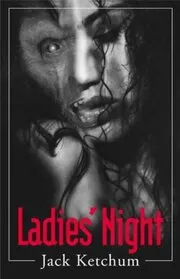
Ladies' Night
by Jack Ketchum
1997
Ketchum takes simmering resentment between men and women and pushes it into open, bloody conflict. It is a short, ferocious extreme-horror novel, built for readers who want violence, panic, and social breakdown with no soft edges.

Right to Life
by Jack Ketchum
1998
Sara Foster is kidnapped off a Manhattan street by strangers who know far too much about her life and pregnancy. What follows is a fact-based descent into captivity, control, and human evil, rendered with Ketchum's usual blunt force.

The Exit at Toledo Blade Boulevard
by Jack Ketchum
1998
This story collection gathers thirteen Ketchum tales, including several new pieces and an essay about Henry Miller. It is a strong sampler of his range, from nasty shocks to sad, humane stories that still leave a bruise.

Broken on the Wheel of Sex
by Jack Ketchum
1999
This collection gathers the early Jerzy Livingston stories Ketchum wrote for men's magazines in the 1970s and early 1980s. Darkly funny, sleazy, and revealing, it shows him working out the voice that would later harden into Jack Ketchum.
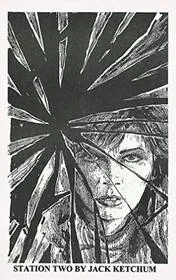
Station Two
by Jack Ketchum
2001
A scarce Ketchum chapbook built around a shorter piece later included in Closing Time and Other Stories. Lean and uneasy, it shows how much dread he could make from a small space and a few pages.
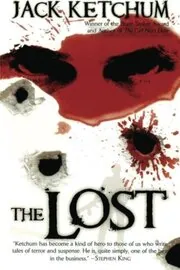
The Lost
by Jack Ketchum
2001
In 1969, Ray Pye is a smug young killer who once got away with murder and thinks he always will. As a worn-out cop, jealous friends, and Ray's own ego close in, the story turns into a slow, ugly spiral.

Peaceable Kingdom
by Jack Ketchum
2003
A major short-story collection that brings together more than thirty pieces, including Bram Stoker winners The Box and Gone. It shows Ketchum's full range, from quiet dread and black humor to sudden, brutal shocks.

The Crossings
by Jack Ketchum
2003
In 1848 Arizona, a reporter, a scout, and a giant known as Mother Knuckles try to rescue a brutalized woman and her sister from a camp across the river. It is a bloody western infused with myth, slavery, and old gods.

The Transformed Mouse
by Jack Ketchum
2003
Ketchum retells an ancient Indian fable from the Panchatantra for adult readers. This illustrated tale departs from his usual horror, offering a playful story about a transformed mouse, with woodcut illustrations accompanying the author's adaptation.

Weed Species
by Jack Ketchum
2006
A compact, nasty novella that treats human cruelty like an invasive species. Ketchum keeps the focus tight and the damage close, building a story about corruption that spreads because people let it.

Closing Time and Other Stories
by Jack Ketchum
2007
Nineteen stories of loss, dread, and damage, anchored by the Bram Stoker-winning novella Closing Time. It is one of the best places to see how much Ketchum could do in short form.

Book of Souls
by Jack Ketchum
2008
A brief memoir and essay collection in which Ketchum writes about the people, books, and experiences that fed his work. It is personal, reflective, and a good window into the man behind the pen name.
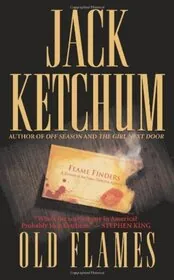
Old Flames
by Jack Ketchum
2008
Freshly dumped, Dora tracks down the high school boyfriend she still idealizes, only to push herself deep into obsession. This short, sharp psychological thriller is paired in some editions with the brutal novella Right to Life.
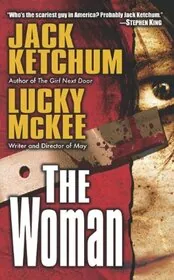
The Woman
by Jack Ketchum
2010
The last survivor of Dead River's feral cannibal clan is captured by a respected country lawyer who decides to civilize her in his cellar. The horror comes from both the prisoner and the family that helps hold her.

I'm Not Sam
by Jack Ketchum
2012
Written with Lucky McKee, this book pairs two unsettling novellas about identity slipping sideways and loved ones becoming frighteningly unfamiliar. Intimate and eerie, it leans more into psychological dread than gore.

Triptych
by Jack Ketchum
2012
A slim collection of three plays, including Kill: A Confession for the Stage, inspired by the Boston Strangler case. It is a compact look at Ketchum's theatrical side, with tension, confession, and menace carrying the weight.

Notes from the Cat House
by Jack Ketchum
2013
A poetry collection that shows a different Ketchum, looser, more reflective, and often more vulnerable. The poems move through memory, grief, cats, friendship, and the strange flashes of feeling that fiction cannot always catch.
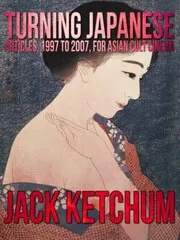
Turning Japanese
by Jack Ketchum
2013
A nonfiction collection of Ketchum's film writing for Asian Cult Cinema, focused on transgressive Japanese and Asian genre movies. Smart, direct, and often funny, it shows the same sharp eye he brought to horror fiction.

Night Terrors III
by Jack Ketchum
2014
A horror anthology featuring Jack Ketchum alongside Paul Tremblay, Dennis Etchison, and many others. Across twenty-two stories it ranges from cosmic menace to grounded terror, making it a solid sampler for anthology readers.

What They Wrote
by Jack Ketchum
2015
A nonfiction collection of Ketchum's introductions, reviews, and essays on dark fiction and the writers he admired. It works as both a map of his tastes and a generous conversation with the genre.
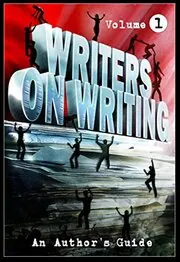
Writers On Writing
by Jack Ketchum
2015
A practical writing guide that gathers essays from Jack Ketchum, Tim Waggoner, and many other genre writers. It offers direct advice on craft, rejection, character, voice, and the day-to-day work of becoming an author.
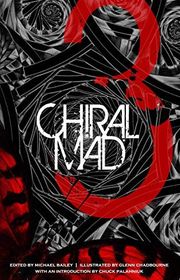
Chiral Mad 3
by Stephen King, Richard Chizmar, Hal Bodner, Jason V Brock, Mort Castle, Paul Michael Anderson, Emily B. Cataneo, Erinn L. Kemper, Jessica May Lin, Mercedes M. Yardley, Meghan Arcuri, Josh Malerman, Scott Edelman, Ramsey Campbell, Gene O'Neill, Gary A Braunbeck, Richard Thomas, Eric J. Guignard, Max Booth III, Damien Angelica Walters, Jack Ketchum & Chuck Palahniuk
2016
Edited by Michael Bailey, this psychologically focused horror anthology uses a symmetrical design to interweave fiction and poetry. It also features forty-five illustrations by Glenn Chadbourne and an introduction by Chuck Palahniuk.
The Secret Life of Souls
by Jack Ketchum
2016
Eleven-year-old child actress Delia Cross is the engine of her damaged family's life, and only her dog Caity seems to understand what is really happening around her. A psychological suspense novel about ambition, family collapse, and fierce loyalty.

Gorilla In My Room
by Jack Ketchum
2019
A late career collection of stories about ordinary people, bad instincts, and the human monsters Ketchum trusted most. Some pieces are brutal, some sad, some oddly tender, but all stay close to the bone.
Where to start with Jack Ketchum
If you want raw survival horror: Off Season → Offspring → The Woman
If you want the most upsetting standalone: The Girl Next Door
If you prefer crime and revenge over monsters: Red → The Lost
If you want shorter fiction first: Peaceable Kingdom → Closing Time and Other Stories → The Box
Jack Ketchum sub-series and character series
Jack Ketchum collections, short stories, and related book types
Short Stories/Novellas
Short Story Collections
Non-Fiction
Standalone Jack Ketchum books


by Stephen King, Richard Chizmar, Hal Bodner, Jason V Brock, Mort Castle, Paul Michael Anderson, Emily B. Cataneo, Erinn L. Kemper, Jessica May Lin, Mercedes M. Yardley, Meghan Arcuri, Josh Malerman, Scott Edelman, Ramsey Campbell, Gene O'Neill, Gary A Braunbeck, Richard Thomas, Eric J. Guignard, Max Booth III, Damien Angelica Walters, Jack Ketchum & Chuck Palahniuk
2016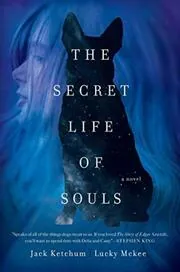
Author bio
Jack Ketchum was born Dallas William Mayr in Livingston, New Jersey, on November 10, 1946, and grew up in New Jersey in a family that ran a luncheonette and soda fountain. He loved books, comics, movies, Elvis, dinosaurs, and the kind of solitary play that turns into storytelling before a kid fully knows that is what he is doing. Later he studied English at Emerson College in Boston.
Long before he was a horror writer, he worked a little of everywhere.
After college he taught high school for two years, acted in summer stock, and spent time at the Scott Meredith Literary Agency. He also sold lumber and worked as a soda jerk. In his teens he got to know Robert Bloch, the author of Psycho, and Bloch became an important mentor. Another turning point came through Henry Miller. Ketchum later wrote about meeting him, and about how that brush with a real working writer helped push him toward taking his own work seriously.
His first novel, Off Season, arrived in 1980. It was brutal, fast, and stripped to the bone, a survival horror story on the Maine coast that made it clear he was interested less in ghosts than in what human beings become under pressure. That blunt, grounded approach stayed with him for the rest of his career.
He rarely looked away.
Over the years he wrote books that kept changing shape without losing that hard center. The Girl Next Door, drawn in part from the Sylvia Likens case, is probably the title most readers name first because it is so upsetting and so sad. Red starts with the killing of a dog and grows into a revenge novel about class, grief, and justice. The Lost follows a swaggering young killer who thinks charm and nerve will save him. And The Woman, written with Lucky McKee, twists the Dead River material into something meaner, smaller, and deeply uncomfortable.
He could do a lot in short form, too. Collections like Peaceable Kingdom and Closing Time and Other Stories show how good he was at getting in fast, unsettling you, and getting out without wasting a line. Even in his essays and memoir pieces, later gathered in Book of Souls and What They Wrote, the voice is the same, plainspoken, curious, a little wary, and very sure of where the soft spots are.
Readers often come to Ketchum expecting gore, and there is certainly plenty of that. But what keeps his work alive is the way he writes ordinary weakness, denial, embarrassment, loneliness, lust, and cruelty. His settings are often simple, a house, a cabin, a small town, a bar, a back road, because he knew terror lands harder when it walks into a place that feels familiar. Even when he moved toward myth in books like She Wakes or the western nightmare of The Crossings, he kept one foot in human behavior.
The recognition came steadily. He won four Bram Stoker Awards, for The Box, the story Gone, Peaceable Kingdom, and Closing Time. Several of his books were adapted for film, including The Lost, The Girl Next Door, Red, Offspring, and The Woman. In 2011 he received the World Horror Convention Grand Master Award.
By his later years he was living in New York City and still writing novels, stories, essays, and screen work. He died there on January 24, 2018, at seventy-one.
But the books still feel uncomfortably alive. That is probably the clearest way to explain Jack Ketchum. He knew that the scariest thing in the room was usually not the monster at the window. It was the person already inside.






Edited by
Software engineer whose passion for tracking book recommendations from podcasts inspired the creation of MRB.
Lead investor at 3one4 Capital whose startup expertise and love for books helped shape MRB and its growth.
Comments
Did we miss something? Have feedback?
Help us improve this page by sharing your thoughts