
Isaac Bashevis Singer Books in Order
Browse Isaac Bashevis Singer books in order with short summaries, background notes, and where to start, plus a guide to his novels and stories.
Last updated: 18 new books added
As an Amazon Associate, we earn from qualifying purchases (at no extra cost to you).
Isaac Bashevis Singer books in publication order
47 books
The Family Moskat
by Isaac Bashevis Singer
1950
The lives of patriarch Meshulam Moskat and scholar Asa Heshel Bannet anchor a portrait of Eastern European Jewish society in the early twentieth century. Family relationships and competing beliefs unfold within a community approaching the catastrophe of the Second World War.
Satan in Goray
by Isaac Bashevis Singer
1955
In a Polish Jewish town, followers of the supposed messiah Sabbatai Zevi challenge the rabbi's insistence that redemption cannot be forced. Their growing fervor turns into a crisis of faith as hysteria and moral disorder overtake Goray.
In My Father's Court
by Isaac Bashevis Singer
1956
Singer recalls growing up in the household where his father conducted a rabbinical court. The disputes and stories of visitors, alongside his parents' contrasting temperaments, recreate the religious and everyday life that shaped his childhood in Poland.
Gimpel the Fool and Other Stories
by Isaac Bashevis Singer
1957
An easily deceived baker refuses to take revenge on those who mock him in the title story. Across this collection, characters inhabit Jewish communities in prewar Poland, navigating belief, human weakness, and the demands of daily life.
The Magician of Lublin
by Isaac Bashevis Singer
1959
Yasha Mazur earns fame as an escape artist in eastern Poland while maintaining a marriage and numerous affairs. As his deceptions become harder to sustain, he considers abandoning his wife, homeland, and religious inheritance for one final escape.
The Spinoza of Market Street and Other Stories
by Isaac Bashevis Singer
1961
Eleven stories revisit Jewish life in Poland, where apparently ordinary people encounter forces beyond their understanding. Folklore, belief, and the possibility of divine or demonic intervention complicate relationships and reveal unexpected depths beneath everyday village and city life.
Short Friday and Other Stories
by Isaac Bashevis Singer
1963
Sixteen stories explore Jewish life through unsettling encounters, religious questions, and the tension between desire and convention. Demons, lovers, and people challenging prescribed roles populate a collection that includes Yentl’s pursuit of learning and tales of supernatural interference.
Zlateh the Goat and Other Stories
by Isaac Bashevis Singer
1966
Seven folktales follow the foolish inhabitants of Chelm and other characters confronting poverty, temptation, and unexpected wonders. A boy’s bond with a goat joins encounters with devils and unlikely heroes, accompanied by Maurice Sendak’s illustrations.
The Fearsome Inn
by Isaac Bashevis Singer
1967
A witch and her half-devil husband operate a remote inn, imprisoning three young women and preying on travelers. When three young men arrive during a storm, a student's knowledge of mystical magic offers a possible defense against their hosts.

The Manor
by Isaac Bashevis Singer
1967
In nineteenth-century Poland, businessman Calman Jacoby's family navigates marriages, religious expectations, and changing social ambitions. The intertwined lives of his daughters reveal tensions between inherited Jewish traditions and the political and intellectual forces transforming their world.
A Friend of Kafka and Other Stories
by Isaac Bashevis Singer
1969
Twenty-one stories follow rabbis, writers, believers, and heretics across Polish shtetls, New York, and Jewish communities in South America. Human lives share space with demons and angels, connecting displacement and everyday experience with religious and supernatural possibilities.

The Estate
by Isaac Bashevis Singer
1969
Continuing the family history begun in The Manor, this novel follows Jewish lives in late nineteenth-century Poland through rapid social change. Its intertwined relationships examine the pressures of modern ideas, shifting ambitions, and the weakening of traditional bonds.
The Golem
by Isaac Bashevis Singer
1969
A saintly rabbi brings a clay giant to life to protect a Jewish banker falsely accused in Prague. Under Emperor Rudolf II, the golem’s intervention draws religious faith and supernatural power into a community’s struggle against persecution.
Elijah, the Slave
by Isaac Bashevis Singer
1970
Tobias loses the use of his writing hand and can no longer support himself as a scribe. A divine messenger named Elijah offers an unusual solution, asking Tobias to sell him into slavery to rescue him from poverty.
Mazel and Shlimazel
by Isaac Bashevis Singer
1970
Mazel and Shlimazel, the spirits of good and bad luck, wager over the fate of impoverished young Tam. His changing fortunes lead him toward love and a royal crisis requiring milk from a lioness in this illustrated folktale.
Joseph and Koza
by Isaac Bashevis Singer
1971
Joseph, a Jewish goldsmith from Jerusalem, travels to the Polish realm of Mazovia and challenges its practice of human sacrifice. When the chieftain's daughter Koza is threatened, his faith brings him into conflict with witchcraft and local beliefs.
Enemies, a Love Story
by Isaac Bashevis Singer
1972
Holocaust survivor Herman Broder builds a precarious new life in New York while entangled with the woman who hid him, his lover, and his unexpectedly surviving first wife. His evasions deepen the emotional complications of life after the war.
Recommended by
1 person Steven Pinker recommended this book
Steven Pinker
"About a holocaust survivor who ends up with three wives. Every scene is a goldmine of insight about human nature." - Steven Pinker
Steven Pinker's recommendation of this book
The Topsy-Turvy Emperor of China
by Isaac Bashevis Singer
1972
Emperor Cho Cho Shan orders his kingdom to reverse its values so that ugliness, stupidity, and evil receive admiration. His son's growing commitment to truth and justice challenges the corrupt institutions created to flatter the ruler.
The Wicked City
by Isaac Bashevis Singer
1972
This illustrated children's retelling follows Lot and the people of Sodom, whose city's corruption and unjust laws shape their lives. Singer adapts the biblical account into a story about wickedness and the consequences facing a deeply troubled community.
A Crown of Feathers and Other Stories
by Isaac Bashevis Singer
1973
Stories set across America, Europe, South America, and the Middle East explore Jewish lives amid the uncertainties of the postwar world. Encounters in places such as Coney Island and East Broadway bring modern experience into conversation with mystical traditions.
The Fools of Chelm
by Isaac Bashevis Singer
1973
The supposed sages governing Chelm respond to every crisis with foolish policies that create further trouble. War, revolution, and changes of leadership form a comic history of a community whose confidence in its wisdom rarely matches its decisions.
The Hasidim
by Isaac Bashevis Singer
1973
Passions and Other Stories
by Isaac Bashevis Singer
1975
Twenty stories follow Yiddish-speaking Jews through Polish villages, wartime Warsaw, Lisbon, and modern Miami. Ordinary encounters become fables about the desires and problems that shape human lives, connecting courage and daily struggle with a lingering sense of mystery.
A Young Man in Search of Love
by Isaac Bashevis Singer
1978
In this autobiographical volume, Singer recalls his early adulthood in Warsaw, where romantic entanglements accompany philosophical doubt and literary ambition. Working for little money and living near his brother's literary circle, he searches for his own direction as a writer.
Shosha
by Isaac Bashevis Singer
1978
Young Yiddish writer Aaron Greidinger moves through Warsaw's literary circles and romantic affairs as war approaches. His renewed bond with childhood friend Shosha embodies a longing for the past that conflicts with the uncertainties and temptations of modern life.
Old Love
by Isaac Bashevis Singer
1979
Older men and women confront love, loneliness, marriage, and divorce in stories that sometimes open onto psychic or supernatural experiences. Unexpected relationships expose contradictions in desire, testing what affection can offer when disappointment and the past remain close.
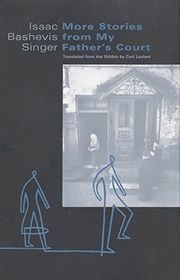
More Stories from My Father's Court
by Isaac Bashevis Singer
1980
Twenty-seven autobiographical stories revisit the Warsaw household where Singer’s rabbi father dispensed judgments and advice. Through a boy’s observations of visitors and disputes, the collection reconstructs a community’s religious life, everyday troubles, and changing world.
Lost in America
by Isaac Bashevis Singer
1981
Singer recounts leaving Poland for New York in 1935, following his older brother while separating from the women and familiar world he knew. This autobiographical volume explores the loneliness, depression, and uncertainty of a Yiddish writer adjusting to America.
Reaches of Heaven
by Isaac Bashevis Singer
1981
Singer imagines the inner life of Rabbi Israel Baal Shem Tov, the eighteenth-century founder of Hasidism. Drawing on the legends surrounding him, this short narrative explores spiritual ambition, emotion, achievement, and disappointment rather than offering a factual biography.
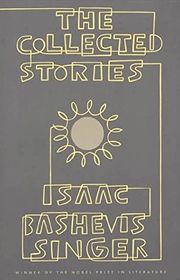
Collected Stories
by Isaac Bashevis Singer
1982
Forty-seven stories selected by Singer range from Eastern European Jewish communities to immigrant lives in American cities. Supernatural encounters, desire, and questions of belief connect characters negotiating changing circumstances, bringing together work from several decades of his storytelling.
Love and Exile
by Isaac Bashevis Singer
1982
This autobiographical trilogy follows Singer from his childhood as a rabbi's son in Poland through his first romances and emigration to America. Memories of family, religious questioning, literary ambition, and loneliness illuminate the experiences behind his fiction.
The Penitent
by Isaac Bashevis Singer
1983
Holocaust survivor Joseph Shapiro achieves prosperity in America but becomes disillusioned with his marriage and worldly pursuits. His search for meaning takes him to Jerusalem, where traditional Judaism offers a possible answer to questions of identity and moral purpose.
Yentyl the Yeshiva Boy
by Isaac Bashevis Singer
1983
After studying sacred texts with her father, Yentyl loses him and refuses to abandon her intellectual aspirations. She cuts her hair, dresses as a young man, and seeks a yeshiva where she can continue learning while concealing her identity.
Stories for Children
by Isaac Bashevis Singer
1984
Thirty-six children’s stories combine Jewish folklore, fantasy, and memories of Poland. Animals, foolish townspeople, and encounters with mysterious powers populate tales including Zlateh the Goat, alongside previously uncollected material and Singer’s reflections on writing for young readers.
Why Noah Chose the Dove
by Isaac Bashevis Singer
1984
As Noah prepares his ark, animals hear that only the best creatures will be rescued and begin boasting about their qualities. The dove stays quiet amid their competition in Singer's illustrated reimagining of the biblical flood story.
The Image and Other Stories
by Isaac Bashevis Singer
1985
Twenty-two stories move between old Warsaw and America, exploring relationships touched by memory and the uncanny. In the title story, the haunting presence of a former love unsettles a newly married couple, linking intimacy with unresolved emotional attachments.
The Death of Methuselah and Other Stories
by Isaac Bashevis Singer
1988
Twenty stories explore mortality, desire, and unstable identity through biblical figures and everyday relationships. The aging Methuselah shares the collection with characters facing marital upheaval and strange encounters, exposing how difficult it can be to understand other people.
The King of the Fields
by Isaac Bashevis Singer
1988
In an ancient Polish landscape, a forest-dwelling hunting tribe faces conquest by warriors determined to farm its land. Chieftain Cybula and his people struggle with survival as competing ways of life collide in a story of violence and emerging society.
My Love Affair with Miami Beach
by Isaac Bashevis Singer
1989
Richard Nagler's color photographs and Singer's commentary portray Miami Beach's South Beach neighborhood and its Jewish residents. The illustrated volume captures everyday personalities and the area's distinctive surroundings through images, recollection, and observations of community life.
Scum
by Isaac Bashevis Singer
1991
After his son's death, wealthy Max Barabander returns from Buenos Aires to the Warsaw neighborhoods of his impoverished youth. Encounters with women and old criminal associates deepen his turmoil, stirring fears rooted in his religious upbringing.
The Certificate
by Isaac Bashevis Singer
1992
Young writer David Bendiner can emigrate from Warsaw to Palestine but lacks the money needed to travel. A proposed marriage of convenience entangles him in romantic and political confusion, while his rabbi father's arrival renews questions about his faith.
Florida Stories
by John Miller, Larry McMurtry, Dave Barry, Elmore Leonard, Ernest Hemingway, John D MacDonald, Damon Runyon, Isaac Bashevis Singer, Nathaniel Hawthorne, Stephen Crane, Zora Neale Hurston, Elizabeth Bishop, Tennessee Williams, Alison Lurie, Wallace Stevens, John Sayles, John James Audubon, Joy Williams, Joan Didion, Kirsten Miller & William Bartram
1993
Edited by John and Kirsten Miller, this literary collection brings together fiction and nonfiction set in Florida. Selections by writers including Joan Didion, Zora Neale Hurston, and Dave Barry offer varied perspectives on the state’s history, landscape, and cultural contradictions.
Meshugah
by Isaac Bashevis Singer
1994
Writer Aaron Greidinger becomes entangled with refugees and Holocaust survivors in 1950s New York. Their connections on the Upper West Side bring competing desires and memories into his life, complicating his relationships and sense of the world around him.
Shadows on the Hudson
by Isaac Bashevis Singer
1998
Jewish refugees in late 1940s New York struggle to reconcile their wartime losses with new lives and difficult relationships. Wealthy, religious Boris Makaver and his troubled daughter Anna stand at the center of this intertwined exploration of love and faith.
The Wise Men of Chelm and the Foolish Carp
by Isaac Bashevis Singer
2020
Chelm leader Gronam Ox receives a live carp as a tribute to his wisdom, then interprets its slap as a serious insult. While he considers a suitable punishment, the townspeople carefully keep the accused fish alive.
Old Truths and New Clichés
by Isaac Bashevis Singer
2022
Nineteen essays, many previously unpublished in English, explore Singer’s views on literature, Jewish life, mysticism, and philosophy. Personal reflections and arguments about the artist’s role reveal ideas that shaped his fiction across a long writing career.
A Letter to Mama and Other Uncollected Stories
by Isaac Bashevis Singer
2024
Nineteen stories translated during Singer’s lifetime appear together after remaining outside his earlier collections. Edited by David Stromberg, the volume recovers previously uncollected and unpublished fiction, expanding the range of characters and situations available to readers of his work.
Isaac Bashevis Singer sub-series and character series
Manor books in order
Explore this seriesStandalone Isaac Bashevis Singer books











by John Miller, Larry McMurtry, Dave Barry, Elmore Leonard, Ernest Hemingway, John D MacDonald, Damon Runyon, Isaac Bashevis Singer, Nathaniel Hawthorne, Stephen Crane, Zora Neale Hurston, Elizabeth Bishop, Tennessee Williams, Alison Lurie, Wallace Stevens, John Sayles, John James Audubon, Joy Williams, Joan Didion, Kirsten Miller & William Bartram
1993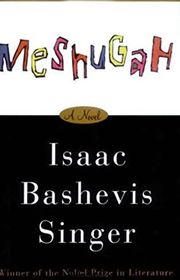
















Edited by
Software engineer whose passion for tracking book recommendations from podcasts inspired the creation of MRB.
Lead investor at 3one4 Capital whose startup expertise and love for books helped shape MRB and its growth.
Comments
Did we miss something? Have feedback?
Help us improve this page by sharing your thoughts