
Inspector Sands Books in Order
Part ofMargaret Millar Books in OrderExplore the Inspector Sands books by Margaret Millar in order, with short summaries, series background, and a guide to these sharp Toronto mysteries.
Last updated:
As an Amazon Associate, we earn from qualifying purchases (at no extra cost to you).
Inspector Sands books in publication order
2 books
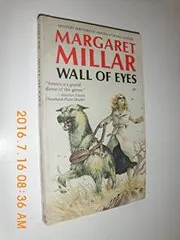
Wall Of Eyes
by Margaret Millar
1943
A blind heiress, still haunted by a car crash that ruined several lives, believes someone wants her dead. Inspector Sands follows the fear into a wealthy Toronto household full of resentment, secrets, and old damage.
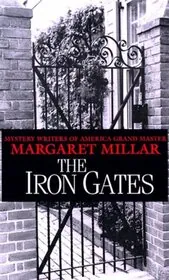
The Iron Gates
by Margaret Millar
1945
When Lucille Morrow vanishes from her grand family home, Inspector Sands finds links to an unsolved murder from fifteen years earlier. The deeper he digs, the more the Morrow household looks built on fear, obsession, and lies.
Inspector Sands books in chronological order
Series background & context
Inspector Sands only leads two Margaret Millar novels, but the series has a distinct flavor and a surprisingly deep reach. If Paul Prye is sharp, showy, and pleased with his own intelligence, Sands is the opposite. He is quiet, plainspoken, steady, and hard to rattle. That calm presence makes him a good guide through some of Millar's most claustrophobic family mysteries.
He first appears in The Devil Loves Me, but Wall of Eyes is where the Sands series really begins. In that novel, a bad car accident still hangs over the wealthy Heath family years later. Kelsey Heath was blinded in the crash, another young woman died, and no one in the household seems to have recovered in any healthy way. When fear turns into murder, Sands has to work through family resentments, lies, and the strange power Kelsey still holds over the people around her. The case starts as a domestic tangle and widens into something far more poisonous.
Sands is not flashy.
That matters even more in The Iron Gates. Lucille Morrow disappears from a grand old house, and Sands soon finds that her vanishing is tied to an earlier, unsolved killing in the same family. The book moves through inheritance, obsession, repression, and mental strain, with Sands patiently following a trail that stretches back fifteen years. It feels part cold-case mystery, part psychological study, and part gothic family drama.
What links the two books is not just Sands himself, but the kind of world he walks into. These are Toronto and Ontario stories full of respectable homes, old money, damaged adults, and people who have spent years hiding the truth from one another. Millar is not especially interested in police routine for its own sake. She is more interested in what happens when a patient investigator sits in the middle of a household that has been lying for so long it no longer knows what normal looks like.
That steadiness is the point.
Sands does not solve cases by dominating a room. He solves them by letting other people talk, contradict themselves, and reveal more than they meant to. He notices guilt, fear, and the ways love curdles into duty or control. If you like mysteries where the detective is almost a moral center, not saintly, just solid, these books land especially well.
The tone is darker than the Paul Prye novels and less playful, though there is still a classic puzzle structure underneath. Wall of Eyes is a little broader and more obviously sensational. The Iron Gates goes deeper into family history and disturbed inner lives. Together they show Millar shifting from brisk early detective fiction into the richer psychological suspense that later became her signature.
Read them in order if you can: Wall of Eyes and then The Iron Gates. They stand alone, but the pairing makes sense. You get two variations on the same strength, a patient Toronto inspector walking into homes where everyone has already been punished by the truth, even before he proves it.















Edited by
Software engineer whose passion for tracking book recommendations from podcasts inspired the creation of MRB.
Lead investor at 3one4 Capital whose startup expertise and love for books helped shape MRB and its growth.
Comments
Did we miss something? Have feedback?
Help us improve this page by sharing your thoughts