
Hythrun Chronicles: War of the Gods Books in Order
Part ofJennifer Fallon Books in OrderFind the War of the Gods books by Jennifer Fallon in order, with summaries, series background, and help picking up this later Hythrun story.
Last updated:
As an Amazon Associate, we earn from qualifying purchases (at no extra cost to you).
Hythrun Chronicles: War of the Gods books in publication order
3 books
Elezaar's Rules of Gaining and Wielding Power
by Jennifer Fallon
2014
This compact companion piece gathers the ruthless lessons Elezaar teaches Marla Wolfblade as she learns how power really works. It is part character study, part darkly funny handbook for surviving Hythrun politics.
The Lyre Thief
by Jennifer Fallon
2016
Princess Rakaia flees an arranged marriage with only her jewels and her half-sister Charisee, a slave who can pass as her double. Their switched identities collide with R'shiel, old enemies, and a stolen divine totem.
Retribution
by Jennifer Fallon
2017
A vengeful enemy from R'shiel's past strikes at the Wolfblade family, pulling Kiam Miar and Charisee into a knot of false identities and old grudges. Personal revenge grows into something much larger.
Hythrun Chronicles: War of the Gods books in chronological order
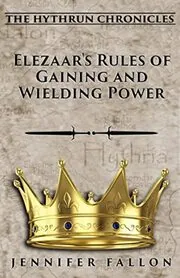
Elezaar's Rules of Gaining and Wielding Power
by Jennifer Fallon
2014Hythrun Chronicles: War of the Gods, Book 1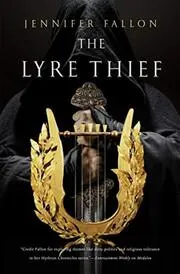

Series background & context
War of the Gods picks up about a decade after the Demon Child trilogy, which means the world of Hythrun has had time to change but not enough time to settle. Old victories are still causing trouble, old enemies are still angry, and the people who helped save the south are now dealing with the sort of private fallout that epic quests rarely tidy up.
The first big shift is that Fallon brings in a new set of central players without cutting the books loose from the older cast. Princess Rakaia of Fardohnya and her half-sister Charisee, a slave who can pass as her double, drive much of the opening movement in The Lyre Thief. Their switched identities give the trilogy a more intimate, sneaky kind of tension than the earlier war books. At the same time, R'shiel, Damin Wolfblade, and Kiam Miar are still deeply tied to what happens next.
That blend is what makes this subseries interesting. It is still epic fantasy, still full of gods, politics, and danger that can spread across kingdoms, but it also leans harder into disguise, personal revenge, tangled loyalties, and the way family secrets keep resurfacing when nobody needs them to. The theft of a divine totem, the return of figures from the past, and the consequences of what was done to stop Xaphista all keep pushing the plot outward.
Kiam Miar matters a lot here. He brings the viewpoint of an assassin who is clever, wary, and often trapped in other people's schemes. Charisee does something similar from another angle. She has to survive in systems built to treat her as disposable, which gives the trilogy some of its sharpest tension. Fallon is good at this sort of setup, characters with limited formal power who still end up near the center of history.
This is the most twisty of the Hythrun strands.
If the earlier books are about prophecy and survival, War of the Gods is more about aftermath, identity, and the way unfinished business keeps spreading. The tone is still serious, but there is more role swapping, more emotional misdirection, and more sense that one lie in the wrong room can be as dangerous as an army at the border.



Edited by
Software engineer whose passion for tracking book recommendations from podcasts inspired the creation of MRB.
Lead investor at 3one4 Capital whose startup expertise and love for books helped shape MRB and its growth.
Comments
Did we miss something? Have feedback?
Help us improve this page by sharing your thoughts