
Honore de Balzac Books in Order
See Honoré de Balzac's books in order, with summaries, background on La Comédie humaine, key themes, and suggestions on where to start reading.
Last updated:
As an Amazon Associate, we earn from qualifying purchases (at no extra cost to you).
Honore de Balzac books in publication order
74 books
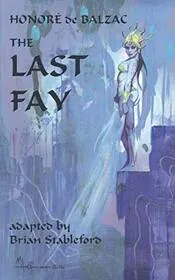
The Last Fay
by Honore de Balzac
1823
Written early in his career, this romantic fantasy follows a mysterious fairy and the mortals who cross her path. Blending folklore, magic and satire of fashionable society, it hints at themes Balzac would later pursue more darkly in his mature works.

A Passion in the Desert
by Honore de Balzac
1830
A soldier stranded in the Egyptian desert discovers a cave and a panther he gradually tames and adores. Their strange companionship, ending in a fatal misunderstanding, becomes a vivid meditation on loneliness, projection and the thin line between tenderness and violence.

A Second Home
by Honore de Balzac
1830
Respectable count de Granville leads a double life, torn between a rigid, pious wife and the gentle mistress and children he keeps hidden in a poorer quarter. This story examines hypocrisy, secrecy and the fragile comfort of a “second home” built on lies.

An Episode Under The Terror
by Honore de Balzac
1830
During the French Revolution, a group of destitute nuns and an old gentleman risk their lives to hear a clandestine mass. The mysterious priest who serves them hides a shocking profession, turning this brief tale into a poignant reflection on faith, mercy and guilt.

Gobseck
by Honore de Balzac
1830
Austere moneylender Gobseck sits at the center of Parisian debt, quietly holding nobles and shopkeepers in his grasp. Through a lawyer's reminiscence, Balzac shows how his icy calculations ruin a countess and reshape several lives, turning the power of money into a chilling character study.

Sarrasine
by Honore de Balzac
1830
In Rome, sculptor Sarrasine falls violently in love with a mysterious opera star, only to discover “her” true identity as a castrato. The revelation shatters his passion and sanity, while the surrounding frame story meditates on art, desire and the illusions of gender.

Study of a Woman
by Honore de Balzac
1830
A chance glimpse of an intercepted letter exposes the secret love life of a fashionable Parisian woman. Observed by doctor Bianchon, her small missteps and improvisations show how fragile reputation is in salons where every glance and gesture can betray a hidden affair.

The Elixir of Life
by Honore de Balzac
1830
Balzac retells the legend of Don Juan through a macabre twist: a dying father reveals an elixir that can restore youth and life. His son's selfish experiment unleashes uncanny consequences, raising dark questions about immortality, filial duty and the price of eternal pleasure.
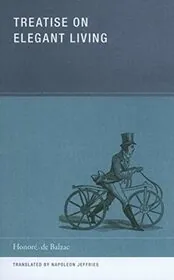
Treatise on Elegant Living
by Honore de Balzac
1830
Balzac's playful manual of dandyism considers clothing, manners, interiors and leisure as serious arts. In short chapters and aphorisms he sketches the ideal “elegant life,” halfway between social satire and sincere celebration of style as a way of moving through the modern city.

Maitre Cornelius
by Honore de Balzac
1831
In fifteenth century Tours, a young nobleman risks death to slip into the guarded house of royal goldsmith Maître Cornélius and reach the woman he loves. Mixed with suspicion of theft and royal intrigue, the tale blends medieval atmosphere with a sharp study of jealousy.

The Recruit
by Honore de Balzac
1831
Set during the dark days of the Revolution, this story follows a mysterious young man sheltered by royalist women in a provincial town. As soldiers close in, loyalty, courage and political hatred collide in a brief, tense drama of sacrifice and betrayal.

The Red Inn
by Honore de Balzac
1831
At a dinner party, an old traveler recounts a long-ago night at a remote inn where money, temptation and fear led to a murder that may never have been solved. The story leaves listeners haunted by doubt over guilt, chance and secret remorse.

After Dinner Stories from Balzac
by Honore de Balzac
1832
This collection gathers several of Balzac's shorter pieces meant to be told aloud after a meal, mixing comic sketches, moral anecdotes and eerie tales. It offers a sampler of his favorite themes in compact form, from money troubles to strange turns of fate.

Colonel Chabert
by Honore de Balzac
1832
Left for dead at the Battle of Eylau, Colonel Chabert claws his way out of a mass grave and returns to Paris years later to find his wife remarried and his fortune gone. His fight to reclaim his name pits honor against cold legal and social realities.

My Journey from Paris to Java
by Honore de Balzac
1832
In this playful mock travelogue, Balzac pretends to recount a voyage from Paris to Java, piling up fantastical anecdotes about exotic customs, animals and temptations. The short book gently parodies travelers' tales while revealing his curiosity about distant places.

The King's Sweetheart, The Maid of Thilouse, and The Reproach
by Honore de Balzac
1832
Three historical stories explore love and loyalty around the French court and provinces. Young women caught between passion, honor and political necessity make difficult choices, allowing Balzac to blend romance with sharp observation of class and power.

The Vicar Of Tours
by Honore de Balzac
1832
Timid abbé Birotteau finally gains a comfortable post in Tours, only to become the target of petty church politics and a calculating landlady. This quietly cruel comedy shows how jealousy and ambition can make a provincial clergy house feel like a battlefield.
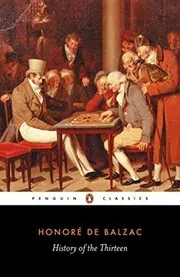
History of the Thirteen
by Honore de Balzac
1833
Three linked novellas reveal a secret brotherhood of influential men manipulating Paris from the shadows. Through the tales Ferragus, The Duchesse de Langeais and The Girl with the Golden Eyes, Balzac explores forbidden passion, surveillance and the hidden networks binding high society.

Juana, and the Red Inn
by Honore de Balzac
1833
Combining the Spanish-set tale Juana with the darker story The Red Inn, this volume moves from wartime romance to a chilling murder confession. Together, the pieces showcase Balzac's range, from tender feeling to the lingering weight of an unpunished crime.

The Country Doctor
by Honore de Balzac
1833
In an isolated mountain village, Doctor Benassis devotes himself to transforming a starving hamlet into a thriving community. Through his conversations with a visiting officer, Balzac explores rural reform, medicine, faith and the quiet heroism of a man who rebuilds lives instead of seeking glory.

The Girl with the Golden Eyes
by Honore de Balzac
1833
In decadent Restoration Paris, spoiled aristocrat Henri de Marsay pursues a mysterious beauty with golden eyes, only to discover she belongs to a hidden, fiercely controlled world. The novella builds from erotic intrigue to a shocking, violent finale about possession and power.
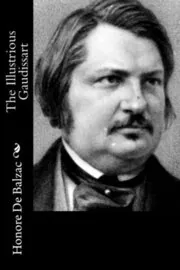
The Illustrious Gaudissart
by Honore de Balzac
1833
Traveling salesman Félix Gaudissart believes he can sell anything, from hats to new social theories. When he arrives in the provinces with his patter and Parisian swagger, he meets stubborn locals who quietly turn the tables on him, creating a sharp comedy of manners and credulity.

The Napoleon of the People and El Verdugo
by Honore de Balzac
1833
Two Napoleonic tales share this book: in one, a veteran recounts the Emperor's legend to spellbound listeners; in the other, a Spanish noble family confronts the horrors of war and execution. Both stories probe glory, cruelty and the myths people build around power.
![Book cover for "The Old Maid, [and] the Cabinet of Antiquities" by Honore de Balzac](https://cdn.mostrecommendedbooks.com/public/book_picture/size180x280_The%20Old%20Maid%2C%20%5Band%5D%20the%20Cabinet%20of%20Antiquities%20-%20Human%20Comedy%2C%20Book%202.jpg)
The Old Maid, [and] the Cabinet of Antiquities
by Honore de Balzac
1833
Two provincial tales show how gossip, pride and inheritance battles poison small-town life. An awkward spinster and an aging noble collector each become targets of schemers, while Balzac patiently unpacks the rivalries that fester behind seemingly quiet streets.

A Drama on the Seashore
by Honore de Balzac
1834
While vacationing on the wild Breton coast, Louis Lambert and Pauline hear the tale of a fisherman living in self-imposed exile after a family tragedy. The bleak seascape and the old man's remorse create a somber reflection on guilt, punishment and the weight of memory.
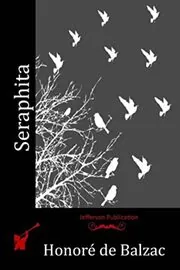
Seraphita
by Honore de Balzac
1834
In a remote Norwegian castle lives Séraphitüs-Séraphîta, an androgynous being seen as man by one admirer and woman by another. Drawing on Swedenborgian mysticism, this strange, lyrical novel blends love story and visionary theology in its portrait of a soul poised between earth and heaven.

The Quest Of The Absolute
by Honore de Balzac
1834
In an obsessive search for a mysterious “absolute” element, chemist Balthazar Claës sacrifices his fortune, neglects his family and burns through years in his attic laboratory. Balzac turns this scientific mania into a powerful study of faith, madness and the cost of genius.
Melmoth réconcilié
by Honore de Balzac
1835
Balzac imagines a sequel to the Gothic wanderer Melmoth: a desperate Parisian cashier accepts a diabolical bargain that grants him vast power in exchange for his soul. At once fantastic tale and moral parable, it links financial speculation with damnation and the hope of redemption.

The Commission In Lunacy
by Honore de Balzac
1836
Judge Popinot is asked to declare a nobleman insane at his wife's request, a ruling that would hand her control of his fortune. Investigating quietly, he uncovers the truth behind their marriage, weighing legal form against compassion in one of Balzac's most humane courtroom tales.

Two Poets. Lost illusions part 1
by Honore de Balzac
1837
Opening the Lost Illusions cycle, Two Poets portrays printer David Séchard and poet Lucien Chardon in their provincial town, bound by friendship and shared dreams. As Lucien flirts with high society and risky publishing ventures, the novel sets up the temptations that will later undo him.

A Daughter Of Eve
by Honore de Balzac
1838
Two sisters raised under strict religious discipline make very different marriages in Paris high society. One seeks passion with a brilliant but unreliable writer, the other clings to respectability. Their choices entangle them in debt, scandal and emotional compromise.

Beatrix
by Honore de Balzac
1838
In a Breton town and later in Paris, young aristocrat Calyste du Guénic is torn between adoring the gifted writer Félicité des Touches and the dazzling but selfish marquise Béatrix de Rochefide. The novel traces his sentimental education amid artistic circles and cruel romantic games.

Scenes from a Courtesan's Life / A Harlot High and Low
by Honore de Balzac
1838
This long sequel to Lost Illusions follows Lucien de Rubempré and the courtesan Esther Gobseck as they are manipulated by the enigmatic Vautrin. Swindles, police plots and doomed love play out across Paris, exposing the underworld that feeds on high society's appetites.

Massimilla Doni and Le Chef D'Oeuvre Inconnu
by Honore de Balzac
1839
Set in Venice and Paris, these two stories pair a musical love drama with Balzac's classic tale of an obsessed painter. Together they explore art's power to enchant and destroy, from opera's spell over a young couple to a canvas ruined by perfectionism.

The Village Rector
by Honore de Balzac
1839
After a hidden crime, wealthy Véronique Graslin spends her life improving a blighted rural district under the guidance of a saintly priest. Their intertwined stories of guilt, charity and social change show how private sin can lead to public redemption.
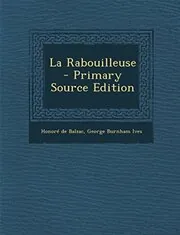
La Rabouilleuse
by Honore de Balzac
1840
La Rabouilleuse follows the Bridau family as dutiful artist Joseph and reckless ex-officer Philippe fight over a rich relative and the alluring Flore Brazier in Issoudun. Inheritance, gambling and politics drive a ruthless struggle between brothers.
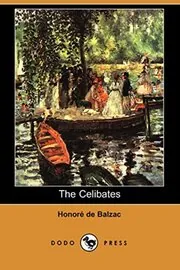
The Celibates
by Honore de Balzac
1840
Balzac gathers stories of lonely men and women whose unmarried lives twist around money, gossip and thwarted desire. These portraits of clerks, spinsters and aging suitors show how provincial society polices anyone who dares to live outside marriage.

Tales of the Napoleonic Era
by Honore de Balzac
1841
This collection brings together Balzac's fiction set during Napoleon's wars, including episodes of guerrilla fighting in Brittany, Spanish campaigns, revolutionary terror and veterans' memories. Battlefields and salons alike reveal how grand history reshapes private lives.
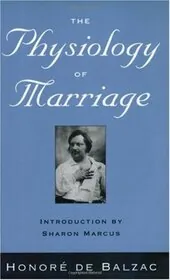
The Physiology of Marriage
by Honore de Balzac
1841
Part treatise and part satire, this early work dissects marriage as if it were a science. Through anecdotes, mock statistics and worldly advice, Balzac riffs on jealousy, adultery and domestic boredom, probing the gap between romantic ideals and the realities of married life.

A Start In Life
by Honore de Balzac
1842
In this early novel of apprenticeship, several travelers share a coach on the road to Paris, including naive young Oscar Husson. A single foolish boast triggers misunderstandings that dog his career, giving a wry picture of how vanity and chance shape a life's beginnings.

A Tragedy by the Sea and Other Stories
by Honore de Balzac
1842
A set of shorter works anchored by a coastal tragedy, where an ordinary outing ends in irreversible loss. Around it, Balzac adds other sketches of passion, crime and regret, each revealing how quickly fate can overturn everyday happiness.

The Two Brothers
by Honore de Balzac
1842
This volume centers on two very different brothers whose rivalry over money, status and affection tears their family apart. Set between Paris and a provincial town, it links military glory, artistic vocation and sheer greed in one of Balzac's sharpest family dramas.
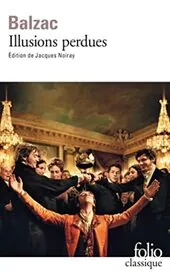
Illusions perdues
by Honore de Balzac
1843
In Illusions perdues, young poet Lucien Chardon leaves Angoulême for Paris, where journalism, high society and easy credit dazzle and destroy him. Balzac tracks his rise and collapse alongside printer David Séchard's struggles, exposing how dreams are bought and broken.

A Man of Business
by Honore de Balzac
1844
At a lively supper in a courtesan's apartment, lawyer Desroches entertains his friends with the story of Maxime de Trailles, a charming aristocrat drowning in debt. A clever creditor sets a trap that forces payment, turning financial trickery into a brisk comic tale.

A Marriage Settlement, And, Modeste Mignon: And Other Stories
by Honore de Balzac
1844
Centered on a hard-bargained marriage contract and the romantic trials of Modeste Mignon, this omnibus volume collects several domestic dramas. Balzac dissects how dowries, ambition and misguided passion shape marriages long before and after the wedding day.

Modeste Mignon
by Honore de Balzac
1844
Lonely provincial heiress Modeste Mignon begins a secret correspondence with a famous poet, only to find his humble secretary and a duke also competing for her hand. Letters, disguises and social climbing fuel this nuanced study of romantic fantasy and the risks of choosing a husband.

Unconscious Comedians
by Honore de Balzac
1846
Provincial manufacturer Gazonal visits Paris and is escorted through ministries, theaters and studios by two worldly cousins. Without realizing it, the people they meet perform like comic actors, allowing Balzac to satirize bureaucracy, journalism, art and the theater of everyday life.
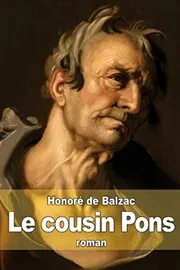
Le Cousin Pons
by Honore de Balzac
1847
Cherished only for his appetite and his collection of art, aging musician Sylvain Pons discovers that greedy relatives and neighbors covet his treasures. This late novel turns a gentle collector's friendship with a fellow bachelor into a moving battle against hypocrisy and predatory heirs.

The Member For Arcis, The Seamy Side Of History, And Other Stories Part 2
by Honore de Balzac
1847
This volume continues Balzac's late political and religious narratives, following an election in the provincial town of Arcis-sur-Aube and a secret charitable brotherhood working in Paris's poorest quarters. Intrigue, idealism and backroom deals reveal another face of the Human Comedy.
The Country Parson
by Honore de Balzac
1896
In a poor rural district, a humble village priest quietly reshapes a community scarred by crime and poverty. His guidance of the tormented Véronique Graslin turns a hidden sin into lifelong penance, blending social reform with spiritual drama.
About Catherine de Medici
by Honore de Balzac
1900
A trio of linked tales reimagines Catherine de Medici's role in France's religious wars. Through court intrigues, prophecies and private scenes, Balzac complicates her legend, exploring power, faith and cruelty in the turbulent years of the Valois kings.
Eugénie Grandet
by Honore de Balzac
1914
Shy, kind Eugénie grows up under the rule of her miserly father in a quiet provincial town. When a charming but selfish cousin arrives ruined by debt, her first love and sacrifice collide with cold calculations about inheritance, revealing how money warps every affection around her.

The Chouans
by Honore de Balzac
1929
Set in Brittany in 1799, this historical novel intertwines a royalist guerrilla uprising with a doomed romance between government spy Marie de Verneuil and rebel leader Marquis de Montauran. Forest ambushes, betrayals and shifting loyalties animate Balzac's first major novel.
Père Goriot
by Honore de Balzac
1950
At the sordid Maison Vauquer, aging Goriot starves himself to fund his daughters' luxury while law student Rastignac struggles to enter high society and the enigmatic Vautrin schemes in the shadows. The novel knits money, family and ambition into a devastating climax.
Cousin Bette
by Honore de Balzac
1965
Plain, overlooked Lisbeth “Cousin Bette” Fischer vows revenge on the glamorous Hulot family who have always used her. Teaming with the seductive Valérie Marneffe, she sets out to ruin them through sex, debt and scandal, in one of Balzac's darkest studies of spite and desire.
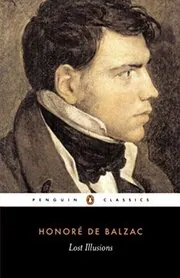
Lost Illusions
by Honore de Balzac
1976
Lucien Chardon leaves his provincial printing shop for Paris, chasing fame as a poet and journalist. Seduced by salons, corrupt newspapers and easy money, he betrays his friends and ideals, only to discover how brutally the city punishes failure and naiveté.
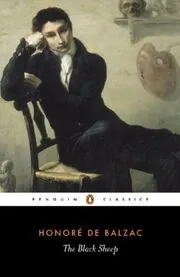
The Black Sheep
by Honore de Balzac
1976
Two brothers from a poor Paris household battle over a rich uncle's fortune in the provincial town of Issoudun. Steady painter Joseph and violent ex-soldier Philippe embody loyalty and greed, as family bonds, politics and money struggles twist into betrayal.
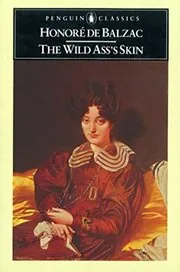
The Wild Ass's Skin
by Honore de Balzac
1977
Desperate young aristocrat Raphaël de Valentin receives a magic piece of skin that grants any wish while shrinking with each desire, shortening his life. Torn between pleasure and survival, he tests the limits of will, wealth and fatal ambition in Romantic Paris.
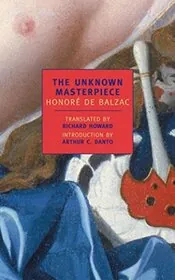
The Unknown Masterpiece
by Honore de Balzac
1983
Aging painter Frenhofer spends years chasing the perfect canvas. When two younger artists finally see his secret work, they glimpse only chaos. This brief, haunting tale probes obsession, artistic vision and the frightening gap between an artist's dream and what others can see.

The Atheist's Mass, and Other Stories
by Honore de Balzac
1986
Headlined by The Atheist's Mass, in which a famous surgeon secretly pays for masses to honor a humble benefactor, this collection gathers several tales of gratitude, sacrifice and quiet heroism, highlighting Balzac's interest in unexpected goodness inside flawed people.
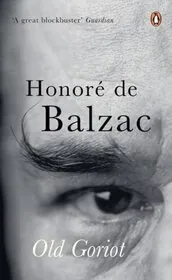
Old Goriot
by Honore de Balzac
1987
In a shabby Paris boarding house, the ruined noodle-maker Goriot sacrifices everything for his ungrateful daughters while ambitious student Rastignac watches and learns. Murder plots, social climbing and paternal love collide in this classic portrait of money and morals.

Ten Droll Tales
by Honore de Balzac
1987
Balzac's Ten Droll Tales imitate Renaissance story collections, offering ribald, Rabelaisian episodes of lust, trickery and clerical mischief. Written in an archaic, playful style, they show him having fun with earthy humor far from the sober tone of his major novels.

Domestic Peace
by Honore de Balzac
1989
At a glittering imperial ball in 1809, rival suitors maneuver for a fashionable young widow while a mysterious, plainly dressed woman draws real devotion. In a few scenes, Balzac contrasts calculated flirtation with the quieter strength of enduring marital love.
Rise and Fall of Cesar Birotteau
by Honore de Balzac
1989
Paris perfumer César Birotteau stakes everything on a risky property speculation meant to crown his success. As debts close in, he faces ruin, humiliation and a long climb back to honor, exposing the hazards of middle class ambition and high finance.
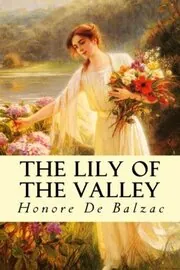
The Lily of the Valley
by Honore de Balzac
1989
Félix de Vandenesse falls hopelessly in love with Henriette de Mortsauf, a married countess bound by duty. Set in the Loire Valley, this intimate novel follows their chaste yet consuming passion as renunciation, illness and time turn youthful idealism into heartbreaking memory.
A Woman Of Thirty
by Honore de Balzac
2000
A young aristocrat discovers too late that her dashing husband is selfish and shallow. Across decades, her struggle between duty, desire and motherhood leads to a forbidden love and quiet tragedy, showing how one woman's choices are crushed by Restoration society.

The Commission in Lunacy, and Pierre Grassou
by Honore de Balzac
2006
Two complementary stories pair Judge Popinot's investigation into a supposed madman with the career of mediocre painter Pierre Grassou. Together they show how institutions and the art market can reward the cautious and conventional while misreading sincerity and true feeling.

The Exiles, and Other Short Stories
by Honore de Balzac
2006
A group of shorter philosophical tales, led by The Exiles, in which mysterious strangers in medieval Paris debate faith and heresy. The surrounding pieces likewise mix history, mysticism and character study, offering a more reflective side of Balzac's imagination.

The Celibates And Other Stories
by Honore de Balzac
2008
Focusing on solitary men and women whose unmarried status shapes their fate, this collection gathers pieces like Pierrette and The Vicar of Tours. Balzac examines how small towns surveil and exploit those who live alone, often with heartbreaking results.

At The Sign Of The Cat And Racket / The Ball At Sceaux / The Purse / Madame Firmiani / Pierrette
by Honore de Balzac
2009
Five shorter works trace young women and men making crucial choices about love and money: from a shopkeeper's daughter who marries beneath her, to heiresses tempted by titles, to Pierrette's tragic persecution. Together they sketch a brisk panorama of French private life.

Honore de Balzac, Vol. 8: Provincial Life
by Honore de Balzac
2015
This omnibus volume from a multi-part edition gathers several of Balzac's provincial novels and stories, highlighting small-town rivalries, cautious courtships and family feuds far from Paris. It is a convenient doorway into the provincial side of The Human Comedy.

The Country Parson and Albert Savaron
by Honore de Balzac
2015
Two contrasting stories share this volume: the tale of a village priest guiding a community and a guilt-stricken woman toward renewal, and the story of Albert Savarus, a gifted lawyer whose secret love and political schemes collide in a conservative provincial city.

The Magic Skin. the Hidden Masterpiece
by Honore de Balzac
2015
Combining The Wild Ass's Skin with The Unknown Masterpiece, this book links a supernatural fable about a wish-granting talisman to a painter's self-destructive pursuit of perfection. Both pieces explore desire, will and the perilous edge where imagination outruns reality.

The Chouans; The Gondreville Mystery, and Other Stories
by Honore de Balzac
2018
A Napoleonic-era omnibus pairing the royalist rebellion of The Chouans with an intricate political thriller about a kidnapped senator, sometimes known as A Historical Mystery. Additional shorter pieces round out Balzac's picture of war, conspiracy and shifting regimes.
Where to start with Honore de Balzac
If you want Balzac's central Paris novel: Père Goriot → Cousin Bette
If you prefer tragic provincial drama: Eugénie Grandet → The Black Sheep
If you're curious about writers and ambition: Lost Illusions → Scenes from a Courtesan's Life / A Harlot High and Low
If you like philosophical or fantastic stories: The Wild Ass's Skin → Seraphita
If you want a quick taste from the short fiction: Gobseck → The Girl with the Golden Eyes
Honore de Balzac sub-series and character series
Les Illusions Perdues books in order
Explore this seriesLes Illusions Perdues books in chronological order
Honore de Balzac collections, short stories, and related book types
Short Stories/Novellas
Short Story Collections
Non-Fiction
Standalone Honore de Balzac books
Author bio
Honoré de Balzac was born in 1799 in the Loire Valley city of Tours, and spent his life trying to capture all of France on the page. His vast project, later titled La Comédie humaine (The Human Comedy), set out to show how money, desire and power shaped everyday lives after the fall of Napoleon.
He grew up in a family that prized hard work and social climbing. As a child he was sent out to a wet nurse, then to a strict boarding school at Vendôme, where he learned both Latin and the feeling of being an outsider. Those early experiences of distance and observation fed the sharp, sometimes merciless eye he would turn on families and institutions in his fiction.
In his late teens Balzac moved to Paris, studied law and worked as a legal clerk. The job bored him, but the files and courtrooms gave him material he would keep using. He started writing tragedies and adventure novels under pseudonyms, and tried to make his fortune as a printer and publisher. The businesses failed, leaving him with crushing debts and a lifelong habit of working through the night, fueled by coffee.
Around 1829 he turned a corner. Historical novel Les Chouans and the witty essay The Physiology of Marriage drew notice, and he threw himself into fiction with new confidence. Within a few years he was producing major works such as Eugénie Grandet, Le Père Goriot, The Wild Ass's Skin and Gobseck, sketching everything from cramped boarding houses to glittering salons with dense, vivid detail.
Balzac soon realized that many of his characters could meet again. Instead of writing isolated novels, he began to let a ruined father from one story reappear as a background figure in another, or to follow an ambitious young man as he moved from book to book. Out of this came La Comédie humaine, roughly ninety finished novels and tales arranged as “Scenes” of private, provincial, Parisian, political, military and country life.
His best known books, including Lost Illusions, Cousin Bette, The Black Sheep and César Birotteau, return again and again to a few obsessions. He wrote about money and debt, social rank, speculation, journalism, and the quiet heroism of people who refuse to bend. Paris itself often feels like a character, a restless city that tempts, rewards and destroys.
Balzac's style is energetic and conversational. He can shift from broad comedy to close psychological analysis in a page or two, and he never hesitates to step in as a storyteller, explaining how a law works or why a piece of furniture matters. Even minor figures—clerks, shopkeepers, servants—are given memories, secrets and small stubborn dreams.
In his private life he was as intense as his characters. He loved luxurious furniture and elaborate clothes, but was almost always broke. He fell in and out of affairs, then carried on a long, complicated correspondence with a Polish aristocrat, Ewelina Hańska, who had first written to him as an anonymous admirer. After nearly two decades of letters and visits, they married in 1850.
By then Balzac's health was failing after years of overwork. He died in Paris the same year, leaving unfinished projects and an enormous cast of recurring characters who still feel alive. Modern readers continue to turn to him for his fierce curiosity about how people live, scheme, love and endure inside the pressure cooker of society.









Edited by
Software engineer whose passion for tracking book recommendations from podcasts inspired the creation of MRB.
Lead investor at 3one4 Capital whose startup expertise and love for books helped shape MRB and its growth.
Comments
Did we miss something? Have feedback?
Help us improve this page by sharing your thoughts