
Harry Cane Books in Order
Part ofPatrick Gale Books in OrderFind the Harry Cane books in order by Patrick Gale, with short summaries, series background, and a clear guide to where to start with Harry's story.
Last updated:
As an Amazon Associate, we earn from qualifying purchases (at no extra cost to you).
Harry Cane books in publication order
2 books
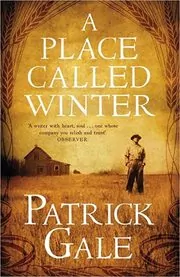
A Place Called Winter
by Patrick Gale
2015
Harry Cane, shy, privileged and trapped by Edwardian expectations, loses everything when an illicit affair is exposed. Sent to the Canadian prairies, he must survive a harsh new world and work out whether exile might also offer a chance at real love.

Love Lane
by Patrick Gale
2026
In 1952, elderly farmer Harry Cane returns from Saskatchewan to the English family he left behind decades earlier. His arrival stirs old hurts, buried secrets and unexpected recognition in a tender, closely observed novel about home, age and second chances.
Harry Cane books in chronological order
Series background & context
The Harry Cane books are a small linked sequence, currently A Place Called Winter and Love Lane, but they cover a lot of ground. At the center is Harry Cane, first seen as a shy, dutiful young man in Edwardian England and later as an older farmer returning from Canada. These novels work as historical fiction, queer love story, and family saga all at once, without ever feeling overblown.
In A Place Called Winter, Harry begins as the sort of man who has spent his life doing what is expected. He comes from comfort, marries, and tries to fit the shape laid out for him, but an illicit relationship and the threat that follows blow that life apart. He is sent toward the newly settled Canadian prairies, where the book becomes a story of exile, survival and self-discovery. Gale uses that huge landscape well. It is lonely, brutal, and oddly freeing.
The prairie is never just scenery.
It matters because Harry has to build a life there with his own hands, and because distance lets the series ask what home really means. The first book follows him through hardship, danger and unexpected tenderness, including a deep bond with his neighbor Paul Slaymaker. What makes the story stick is Harry himself. He is not flashy or rebellious by nature. He is quiet, decent, watchful, and slow to understand his own needs, which gives the book much of its ache.
Love Lane picks up much later, in 1952, after Harry has sold his Saskatchewan farm and come back to England to see the daughter he left as a toddler. The setting shifts from open land to households shaped by postwar Britain, especially the world around Liverpool prison and Harry's daughter's family. Betty, her prison governor husband Terry, her daughter Pip, and Pip's gentle husband Mike all come into sharper focus. Harry's return stirs duty, resentment, curiosity and recognition across three generations.
This is where the series widens.
The second book is less about carving out land and more about what happens when a family myth walks through the door as a real, aging man. That change in angle gives the Harry Cane books their shape. One is about being cast out and starting over. The other is about coming back, and discovering that return can be as difficult as exile. Across both books, Gale writes with a steady, humane touch. Expect emotional stakes rather than cliffhangers, a strong sense of place, and a close interest in secrecy, sexuality, compromise, forgiveness, and the odd ways families protect and hurt one another.







Edited by
Software engineer whose passion for tracking book recommendations from podcasts inspired the creation of MRB.
Lead investor at 3one4 Capital whose startup expertise and love for books helped shape MRB and its growth.
Comments
Did we miss something? Have feedback?
Help us improve this page by sharing your thoughts