
Harold Coyle's Strategic Solutions, Inc. Books in Order
Part ofHarold Coyle Books in OrderBrowse Harold Coyle's Strategic Solutions, Inc. novels in order, with summaries, series background on the private military firm SSI, and suggestions on the best entry point into these high stakes thrillers.
Last updated:
As an Amazon Associate, we earn from qualifying purchases (at no extra cost to you).
Harold Coyle's Strategic Solutions, Inc. books in publication order
3 books
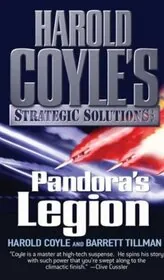
Pandora's Legion
by Harold Coyle
2007
When terrorists seed major cities with people infected by a deadly strain of the Marburg virus, Strategic Solutions, Inc. is hired to stop a man made plague. SSI teams race from labs to safe houses to track down the architect of the plot and prevent a global biological catastrophe.
Prometheus's Child
by Harold Coyle
2007
A routine training mission in Chad turns into a crisis when SSI operators discover a covert effort to mine and ship yellowcake uranium to hostile buyers. After a key convoy escapes, the company must locate a freighter on the open ocean and seize its lethal cargo before it disappears.
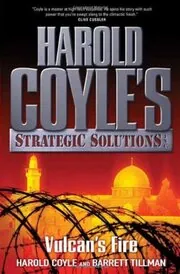
Vulcan's Fire
by Harold Coyle
2008
Strategic Solutions, Inc., a private military company under financial strain, accepts a covert contract to help Druze militias in southern Lebanon resist Hezbollah. As SSI teams work in a shadowy war zone, they uncover a plot to use suitcase nuclear weapons in contested areas, forcing them to act before the region ignites.
Harold Coyle's Strategic Solutions, Inc. books in chronological order
Series background & context
Harold Coyle's Strategic Solutions, Inc. series asks what happens when the kinds of missions usually handled by nation states are outsourced to a private firm. The result is a set of fast moving thrillers where corporate balance sheets sit uncomfortably beside questions of war, law, and loyalty.
Strategic Solutions, Inc., known as SSI, is a private military company staffed largely by former special operations troops, intelligence hands, and law enforcement professionals. At the top is Michael Derringer, a retired rear admiral who now has to worry about contracts, liability, and payroll alongside operational plans.
In Pandora's Legion SSI faces a nightmare scenario. A radical group has weaponized the Marburg virus by turning infected people into unwitting carriers and sending them into major cities around the world. The novel follows multiple SSI teams as they work with, and sometimes around, government agencies to track the mastermind, disrupt the network, and stop a chain of outbreaks before they trigger a global catastrophe.
Prometheus's Child begins with what looks like a straightforward training contract in Chad. SSI instructors are hired to help shape up a local force, only to discover that someone is quietly mining and shipping yellowcake, the raw material for nuclear weapons, out of a supposedly abandoned site. When a key convoy slips through their first attempt to shut the operation down, the hunt moves from desert roads to international waters, forcing SSI to improvise a maritime interception before the cargo vanishes into the black market.
In Vulcan's Fire the firm is in trouble. A run of bloody, low margin contracts has left SSI financially strained and its operators questioning management decisions. Then an offer arrives through back channels from the Israeli government: assist Druze militias in southern Lebanon as they resist pressure and attacks from Hezbollah. Officially the arrangement must remain deniable. Unofficially it pulls SSI into a maze of sectarian politics, proxy forces, and competing intelligence agendas.
As the teams work with Druze fighters on remote hilltops and in battered villages, they slowly uncover an even more frightening plan. Hezbollah elements are assembling suitcase nuclear devices, intending to detonate them inside contested parts of Lebanon in a bid to reshape the conflict and the region's balance of power. SSI finds itself trying to stop a nuclear provocation while never officially existing in the first place.
Across the series Coyle and co author Barrett Tillman mix the nuts and bolts of small unit operations with boardroom and back channel scenes. Operators worry about extraction routes and communications, while Derringer and his senior staff juggle ethics, public relations, and the reality that their client list sometimes includes partners whose motives are far from clean.
These books are a natural fit if you are curious about the blurred line between national armies and private contractors, or if you enjoy global scale plots anchored by operators who still have to worry about payroll, insurance, and whether the next job will keep the doors open.












Edited by
Software engineer whose passion for tracking book recommendations from podcasts inspired the creation of MRB.
Lead investor at 3one4 Capital whose startup expertise and love for books helped shape MRB and its growth.
Comments
Did we miss something? Have feedback?
Help us improve this page by sharing your thoughts