
Harmony Books in Order
Part ofPhilip Gulley Books in OrderSee the Harmony series by Philip Gulley with Sam Gardner stories in order, summaries, series background on Harmony Friends Meeting, and tips on where to start.
Last updated:
As an Amazon Associate, we earn from qualifying purchases (at no extra cost to you).
Harmony books in publication order
8 books
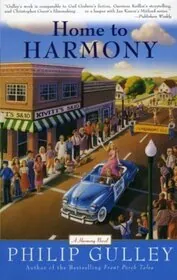
Home to Harmony
by Philip Gulley
2000
Home to Harmony introduces Sam Gardner as he returns to his Indiana hometown to pastor the Friends meeting. In linked stories full of potlucks, church squabbles, and unexpected grace, he learns how messy, funny, and holy small‑town life can be.
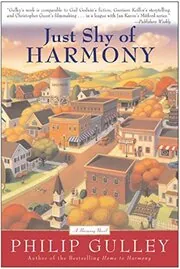
Just Shy of Harmony
by Philip Gulley
2001
In Just Shy of Harmony, Sam Gardner realizes he shows most of the warning signs of depression—and he’s the pastor everyone else is supposed to visit. As church conflicts, illnesses, and oddball ministries pile up, Sam has to rediscover why his faith still matters.
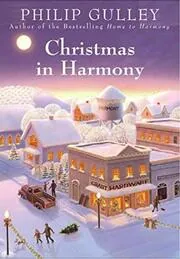
Christmas in Harmony
by Philip Gulley
2002
Christmas in Harmony follows Quaker pastor Sam Gardner through a tumultuous holiday season as church elder Dale Hinshaw masterminds a progressive town‑wide nativity scene. Between gift‑giving worries and unexpected moments of loneliness and joy, Sam searches for the heart of Christmas in his quirky community.
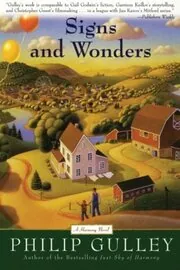
Signs and Wonders
by Philip Gulley
2003
Signs and Wonders returns to Harmony for a year of quirky crises: ill‑fated evangelism stunts, harebrained home‑improvement projects, and a single schoolteacher’s awkward search for love. Through it all, Sam Gardner traces where grace and real change quietly break in.
Life Goes On
by Philip Gulley
2004
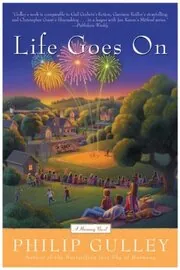
Life Goes On chronicles another year in Harmony as Sam Gardner juggles church politics, off‑kilter funerals, home‑repair disasters, and Dale Hinshaw’s latest schemes. The more the town’s narrow‑minded characters test his patience, the more Sam wonders whether he’s still called to stay.
A Change of Heart
by Philip Gulley
2005
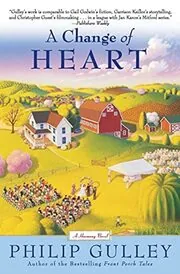
A Change of Heart finds Harmony buzzing with news: a prodigal couple wants back into their daughter’s life, Dale Hinshaw faces a heart transplant, and Deena Morrison plans a fairy‑tale wedding. Sam Gardner tries to shepherd his flock through loyalty tests, forgiveness, and second chances.
The Christmas Scrapbook: A Harmony Story
by Philip Gulley
2005
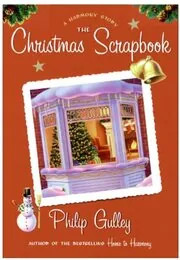
Determined at last to give his wife a thoughtful present, Sam Gardner secretly joins a scrapbooking class to create a Christmas gift. His mysterious Wednesday‑night absences spark rumors, while mishaps in the classroom and at church threaten to upend Harmony’s holiday.
Almost Friends
by Philip Gulley
2006
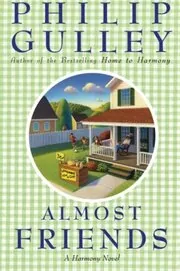
In Almost Friends, Pastor Sam Gardner takes a leave of absence to care for his ill father, and energetic interim pastor Krista Riley steps into the pulpit. As the congregation falls for her and a few detractors stir trouble, Sam must decide where he truly belongs.
Harmony books in chronological order
Series background & context
Philip Gulley’s Harmony novels are where many readers first meet Sam Gardner, a Quaker pastor who returns to his hometown of Harmony, Indiana, to lead the tiny Friends meeting he grew up in. The series begins with Home to Harmony and goes on through Just Shy of Harmony, Signs and Wonders, Christmas in Harmony, Life Goes On, A Change of Heart, The Christmas Scrapbook, and Almost Friends.
It’s the kind of place where nothing much happens—and where everything that matters does.
Harmony itself is a fictional small town, but it feels like it could sit just down the road from any Midwestern reader. There’s a café where everyone knows your business, a hardware store with its unofficial priest, a barber who dispenses gossip, and a church whose members have been arguing over the same topics for decades. Gulley uses that setting as a backdrop for the daily mix of funerals, potlucks, council meetings, and neighborly favors that make up Sam’s pastoral life.
Sam narrates the books in the first person, which means you sit right behind his eyes as he tries to coax a sermon from thin air, visit stubborn parishioners, or calm a meeting that has tied itself in knots over something as small as a new bathroom vanity. His wife and sons share the background noise of family life: school plays, home repairs, money worries, and the slow realization that the people you love are growing up or growing old.
The supporting cast is one of the series’ great pleasures. There’s Dale Hinshaw, the self‑appointed guardian of doctrinal purity whose earnest schemes—like salvation balloons or over‑the‑top nativity scenes—regularly backfire. There are practical saints who show up quietly with casseroles, lonely single folks hoping for love, and a long‑suffering church secretary who sees more than she says. Over time, even the most exasperating characters reveal streaks of vulnerability and grace.
While each book stands alone, read together they trace Sam’s gradual wrestling with burnout, denominational politics, and his own sense of calling. Some storylines lean into broad comedy—a funeral for a man who turns out to be alive, a disastrous attempt to store a car in a garage attic—while others explore depression, illness, and the limits of small‑town tolerance. Gulley rarely offers easy resolutions; more often, characters learn to live with one another a little more kindly.
The overall tone is gentle, funny, and quietly subversive. These are comfort reads on the surface, yet beneath the humor runs a steady questioning of rigid religion and an insistence that real faith shows up in patience, neighborliness, and a willingness to forgive.
Readers can start almost anywhere in the series, but beginning with Home to Harmony lets you watch Sam’s first year back in town and meet the congregation from the ground up. Later volumes also bridge naturally into the Hope novels, as the gentle tensions in Harmony grow into bigger questions about church, conscience, and the cost of staying or leaving.







Edited by
Software engineer whose passion for tracking book recommendations from podcasts inspired the creation of MRB.
Lead investor at 3one4 Capital whose startup expertise and love for books helped shape MRB and its growth.
Comments
Did we miss something? Have feedback?
Help us improve this page by sharing your thoughts