
H Rider Haggard Books in Order
Browse H Rider Haggard books in order, with short summaries, series background, guides to Allan Quatermain and Ayesha, and help choosing where to start.
Last updated:
As an Amazon Associate, we earn from qualifying purchases (at no extra cost to you).
H Rider Haggard books in publication order
78 books

Cetywayo and His White Neighbours
by H Rider Haggard
1882
Haggard's first book is a forceful account of southern African politics and the Zulu kingdom. It shows the young writer as observer and polemicist rather than novelist.

Dawn
by H Rider Haggard
1884
Haggard's first novel is a domestic-romantic drama about love, class, and the mess left by selfish choices. It shows him before the great adventure books.
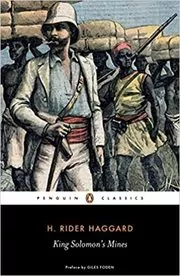
King Solomon's Mines
by H Rider Haggard
1885
Allan guides Sir Henry Curtis and Captain Good into the African interior to find a missing man and a legendary treasure. It is the classic lost-world adventure, full of peril, marches, and battle.
Recommended by
1 person Winston Churchill recommended this book
Winston Churchill
One of Winston Churchill's favorite books.
Winston Churchill's recommendation of this book

The Witch's Head
by H Rider Haggard
1885
An early novel that moves from England to southern Africa and finds its real power once the adventure begins. Romance, frontier danger, and hidden motives drive the plot.
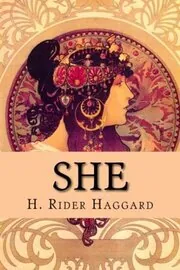
She
by H Rider Haggard
1886
Holly and Leo Vincey travel to a lost African kingdom and meet Ayesha, the immortal ruler called She-Who-Must-Be-Obeyed. It is gothic romance, quest story, and lost-world fantasy at once.
A Tale of Three Lions
by H Rider Haggard
1887
Allan Quatermain takes his young son on safari, and a hunt becomes a grim test of nerve and revenge. Short, direct, and heavy with danger.

Allan Quatermain
by H Rider Haggard
1887
Grieving Allan joins Sir Henry Curtis and Captain Good on a march toward a hidden white kingdom in the African interior. Lost cities, civil war, and hard-won survival drive the sequel.
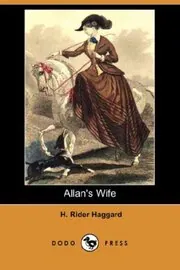
Allan's Wife
by H Rider Haggard
1887
The title story follows Allan's early marriage and the sorrow that shapes his later life. Around it, Haggard adds more frontier adventure, hunting stories, and sharp reversals of fortune.

Jess
by H Rider Haggard
1887
Set in the Transvaal, this novel turns on two sisters, frontier pressures, and a painful romantic conflict. It is more intimate than the Quatermain books, but still rooted in South Africa.

Colonel Quaritch, V.C.
by H Rider Haggard
1888
A retired soldier returns to his ancestral home and finds old grudges, local intrigue, and a chance at renewal. It is part country-house novel and part adventure.

Maiwa's Revenge
by H Rider Haggard
1888
A hunting trip turns into a rescue mission and a war of vengeance after an African princess suffers a terrible loss. It is one of Quatermain's fastest and most action-heavy adventures.

Mr. Meeson's Will
by H Rider Haggard
1888
A quarrel over publishing and inheritance becomes a comic legal-adventure story after a shipwreck. It is brisker and more satirical than most Haggard novels.
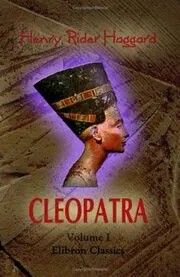
Cleopatra
by H Rider Haggard
1889
Harmachis, raised to overthrow foreign rule in Egypt, falls under Cleopatra's spell. This is Haggard's take on ambition, betrayal, and the last days of a kingdom.

Beatrice
by H Rider Haggard
1890
An English inheritance drama turns dark as love, class, and obsession push the characters toward ruin. Haggard keeps the focus close and emotionally sharp.

The World's Desire
by H Rider Haggard
1890
Co-written with Andrew Lang, this fantasy sends Odysseus on one last quest after Troy. Greek myth, Egypt, magic, and doomed beauty all meet in its pages.
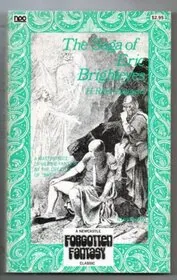
Saga of Eric Brighteyes / Eric Brighteyes
by H Rider Haggard
1891
A Viking saga of blood-feud, doomed love, and fate, told with Haggard's love of old legend. Stark, heroic, and much grimmer than the African adventures.
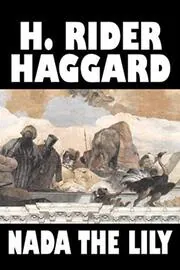
Nada the Lily
by H Rider Haggard
1892
Set among the Zulus, this tragic epic follows Umslopogaas and Nada through love, kinship, and war under Shaka and Dingane. It is one of Haggard's broadest and most sweeping African tales.

Montezuma's Daughter
by H Rider Haggard
1893
Thomas Wingfield crosses oceans to avenge himself and is swept into the fall of the Aztec empire. Big emotions, betrayal, and conquest drive this historical adventure.

The People of the Mist
by H Rider Haggard
1894
Leonard Outram goes to Africa seeking fortune and finds Juanna, a lost people, and a monstrous crocodile cult. It is one of Haggard's strongest standalone lost-world novels.

Heart of the World
by H Rider Haggard
1895
Explorers reach a hidden city in the mountains of Mexico, where old hatreds, prophecy, and romance shape their fate. It is a classic lost-world quest outside Africa.

Joan Haste
by H Rider Haggard
1895
A village girl with a shadowed past stands at the center of a love triangle and a web of class tension. This is Haggard in domestic-romantic mode, with drama rather than treasure.
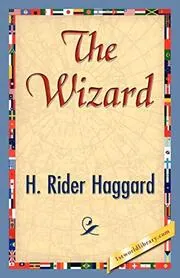
The Wizard
by H Rider Haggard
1896
A missionary enters south central Africa and faces a powerful ritual leader who demands proof of which god truly rules. The novel blends quest adventure, faith, and spectacle.

Doctor Therne
by H Rider Haggard
1898
A doctor's pride and bad ideas help unleash disaster when smallpox and anti-vaccination views collide. It is one of Haggard's most openly polemical novels.

Swallow
by H Rider Haggard
1898
Set during the Great Trek, this South African romance follows a heroine caught amid migration, violence, and divided loyalties. Frontier adventure, prophecy, and war all drive the story.
A Farmer's Year
by H Rider Haggard
1899
A diary-like chronicle of farming life across the seasons, full of practical observation and rural concerns. It shows how seriously Haggard took agriculture.

The Last Boer War
by H Rider Haggard
1899
Haggard's nonfiction account of the South African conflict argues hard about policy, responsibility, and imperial failure. It is political writing with the heat still on it.

The Spring of a Lion
by H Rider Haggard
1899
A lesser-known Haggard tale centered on courage under pressure and the sudden violence of frontier life. It is a brief, intense piece for readers curious about his shorter fiction.
Black Heart and White Heart
by H Rider Haggard
1900
The title story is a Zulu tragedy of love, pride, and divided loyalties. In collection form it also brings together shorter Haggard pieces with a darker emotional pull.

Elissa
by H Rider Haggard
1900
Haggard retells the story of Elissa, or Dido, with his usual taste for ancient legend, love, and doom. It is short, dramatic, and shaped by fatal choices.
A Winter Pilgrimage
by H Rider Haggard
1901
Based on travel in North America, this book records Haggard's observations on land, people, and settlement. It reads as a reflective journey rather than a narrative adventure.

Lysbeth
by H Rider Haggard
1901
In the Spanish Netherlands, love and family are tested by tyranny, revolt, and religious violence. Haggard gives the political struggle an intimate human center.

Rural England
by H Rider Haggard
1902
Haggard travels through the countryside to record the condition of English farming and village life. It is a major piece of his nonfiction and reform work.
Pearl-Maiden
by H Rider Haggard
1903
Set around the fall of Jerusalem, this historical novel follows Miriam, called the Pearl-Maiden, through siege, faith, and Roman power. It is tragic, reverent, and built on large events.

Stella Fregelius
by H Rider Haggard
1903
A sensitive English narrator becomes bound to the mysterious Stella, whose gifts seem to reach beyond ordinary life. It is one of Haggard's quieter and stranger romances.
The Brethren
by H Rider Haggard
1904
Two English brothers are drawn into the Crusades and a long struggle over love, faith, and honor. Battles, kidnappings, and Saladin-era politics give the novel real sweep.

A Gardener's Year
by H Rider Haggard
1905
A seasonal record of gardens, weather, and country life, written by a novelist who also took farming seriously. It is calm, observant, and rooted in everyday work.

Ayesha
by H Rider Haggard
1905
Holly and Leo follow signs that She may have returned, and their search carries them into Central Asia. The sequel expands the myth with reincarnation, power, and a still more dangerous Ayesha.

Benita / The Spirit of Bambatse
by H Rider Haggard
1906
Benita and her father are drawn into a search for buried treasure in southern Africa, where visions and old secrets shape the hunt. Adventure, siege, and the uncanny all meet here.

The Way of the Spirit
by H Rider Haggard
1906
A later Haggard novel about grief, belief, and whether the living can reach beyond the visible world. It leans toward spiritual debate and emotional conflict rather than straight adventure.
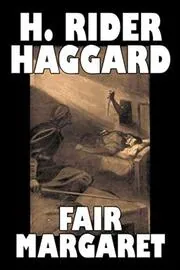
Fair Margaret
by H Rider Haggard
1907
Set in the age of Ferdinand and Isabella, this romance turns on love, divided loyalties, and danger from Spain's shifting politics. It has the sweep of a historical swashbuckler.
The Ghost Kings
by H Rider Haggard
1908
Rachel Dove, a missionary's daughter in Zululand, becomes entangled with prophecy, obsession, and a hidden people who see visions in dew. Frontier drama and eerie fantasy meet here.

The Yellow God
by H Rider Haggard
1908
A missing heir, a scheming villain, and an African idol pull the story toward hidden wealth and occult danger. Haggard blends treasure-hunt suspense with a feverish supernatural edge.
The Lady of Blossholme
by H Rider Haggard
1909
In Henry VIII's England, Cicely Harflete is trapped in a brutal struggle involving desire, power, and accusations of witchcraft. It is a grim historical tale of persecution and revenge.

Morning Star
by H Rider Haggard
1910
In ancient Egypt, the princess Neter-Tua stands at the center of palace intrigue, prophecy, and rival claimants. Haggard mixes romance and mysticism with a strong ceremonial atmosphere.

Queen Sheba's Ring
by H Rider Haggard
1910
A scholar, a doctor, and an army officer follow an ancient ring into central Africa and a hidden mountain world. It is classic Haggard, with relics, desert travel, and dangerous politics.
Regeneration
by H Rider Haggard
1910
A book-length argument for social and rural renewal, written with Haggard's usual concern for land, labor, and national strength. More policy-minded readers will find the core of his public thinking here.
Red Eve
by H Rider Haggard
1911
Set in the reign of Edward III, this medieval romance mixes feuds, plague, battle, and a proud heroine known as Red Eve. It is one of Haggard's darker historical adventures.

Rural Denmark and Its Lessons
by H Rider Haggard
1911
Haggard studies Danish farming and rural society to ask what Britain might learn from them. This is direct, practical nonfiction rather than adventure.
The Mahatma and the Hare
by H Rider Haggard
1911
A short philosophical fantasy in which an odd, light-footed premise opens into questions about spirit, identity, and compassion. Strange, brief, and very unlike the Quatermain books.
Marie
by H Rider Haggard
1912
Quatermain looks back on his first love and brief marriage to Marie Marais against the violence of southern Africa. More romantic and personal than the early adventures, but still full of danger.
Child of Storm
by H Rider Haggard
1913
Allan becomes entangled in the ambitions of Mameena, a dazzling and destructive beauty whose choices help ignite wider conflict. It is part love story and part Zulu political tragedy.
Diary of an African Journey
by H Rider Haggard
1914
Part travel book and part record of observation, this volume follows Haggard's return journey through southern Africa. It is especially useful for readers interested in the places behind his fiction.

The Wanderer's Necklace
by H Rider Haggard
1914
A Viking-era romance follows Olaf, a cursed necklace, and a love that seems to outlast a single life. The story ranges widely and leans hard into reincarnation and fate.

Holy Flower
by H Rider Haggard
1915
Allan joins an expedition to recover a rare sacred flower and rescue a missing missionary's wife. Jungle travel, rival ambitions, and uncanny danger give this quest a distinctive twist.

After the War Settlement and Employment of Ex-service Men
by H Rider Haggard
1916
A practical postwar study of how returning servicemen might be resettled and put back to work. It shows Haggard's serious interest in land policy, labor, and public reform.

The Ivory Child
by H Rider Haggard
1916
A dispute over a carved idol pulls Allan into a dangerous clash between tribes and a feared cult. It starts as a mission of peace and grows into a tense supernatural adventure.
Finished
by H Rider Haggard
1917
Allan is drawn into the final convulsions of Zulu power and the long shadow of prophecy. Darker and more reflective than most Quatermain tales, it mixes battle, politics, and fate.

Love Eternal
by H Rider Haggard
1918
A clear-eyed heroine grows up amid family strain and a bond that reaches toward the mystical. Haggard turns romance into a story about destiny, spiritual searching, and the cost of devotion.
Moon of Israel
by H Rider Haggard
1918
Haggard retells the Exodus era through Merapi and the court of Pharaoh. The book mixes biblical scale with personal loyalties, love, and impending catastrophe.

When the World Shook
by H Rider Haggard
1919
Three Englishmen survive disaster and discover beings from a world unimaginably older than their own. It blends island adventure, buried civilizations, and early speculative fiction.
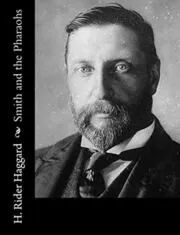
Smith and the Pharaohs
by H Rider Haggard
1920
The title story sends an Englishman into a chilling encounter with ancient Egypt after dark. In collection form, it pairs ghostly unease with several shorter Haggard tales.
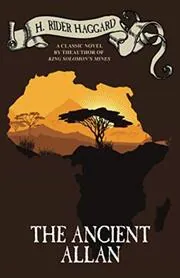
The Ancient Allan
by H Rider Haggard
1920
Allan takes a mind-opening drug and remembers a former life in ancient Egypt. The result is a dreamlike mix of reincarnation, court intrigue, and old-world magic.

The missionary and the witch-doctor
by H Rider Haggard
1920
This shorter tale pits a stubborn missionary against a powerful witch-doctor, with a child's fate at the center. It works as a moral fable as much as an adventure story.

She and Allan
by H Rider Haggard
1921
Quatermain meets Ayesha, the immortal queen of She, in one of Haggard's biggest crossovers. The quest blends lost-city adventure, Zulu warfare, visions of the dead, and occult mystery.

The Virgin of the Sun
by H Rider Haggard
1922
Set against the Spanish conquest of Peru, this historical adventure follows clashing empires, forbidden love, and sacred duty. Haggard gives the Inca world high stakes and a tragic pull.

Wisdom's Daughter
by H Rider Haggard
1923
This novel tells Ayesha's long backstory, from the ancient world to the making of the immortal woman known as She-Who-Must-Be-Obeyed. Grand, tragic, and steeped in prophecy.
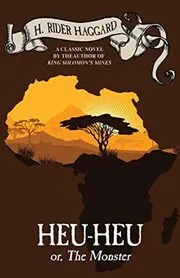
Heu Heu
by H Rider Haggard
1924
Allan and Hans set out after the legendary Tree of Illusions and find a hidden realm ruled by fear and superstition. It is a compact late Quatermain adventure with a strong eerie streak.

Queen of the Dawn
by H Rider Haggard
1925
In ancient Egypt, the princess Nefra grows up under prophecy while dynastic struggle and invasion threaten her world. It is a late historical romance full of politics, priestcraft, and destiny.

The Days of My Life
by H Rider Haggard
1926
Haggard's autobiography looks back on his childhood, South African years, legal training, literary success, and public work. It is the place to go if you want the life behind the novels.
Treasure of the Lake
by H Rider Haggard
1926
Allan journeys to a remote sacred lake where treasure, taboo, and a doomed love story are tangled together. The novel keeps the adventure high while giving the tale a quieter, melancholy mood.
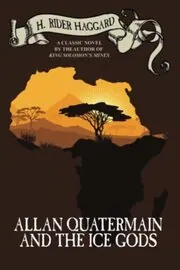
Allan Quatermain and the Ice Gods
by H Rider Haggard
1927
Under the influence of a strange drug, Allan relives the life of a Stone Age ancestor. Part fantasy and part prehistoric adventure, it pushes the series deep into myth and prehistory.
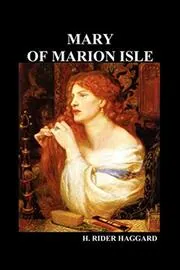
Mary of Marion Isle
by H Rider Haggard
1929
A late romance set around a lonely island, where love, secrecy, and danger shape the fate of Mary and those around her. The story keeps its stakes intimate and faintly haunted.

Belshazzar
by H Rider Haggard
1930
In ancient Babylon, the Egyptian prince Ramose tries to save his wife from King Belshazzar as empire edges toward collapse. Romance, prophecy, and the writing on the wall hang over everything.
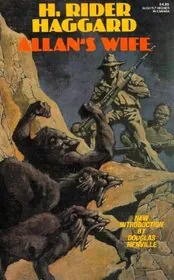
Allan's Wife, with Hunter Quatermain's Story
by H Rider Haggard
1980
This omnibus pairs Allan's tragic marriage story with companion adventures from his early life. It shows a more personal side of Quatermain alongside frontier danger, hunting, and loss.
The Private Diaries of Sir H. Rider Haggard, 1914-1925
by H Rider Haggard
1980
A selection from Haggard's later diaries, covering war, politics, farming, and literary life from 1914 to 1925. It shows the private concerns of the novelist behind the adventure stories.
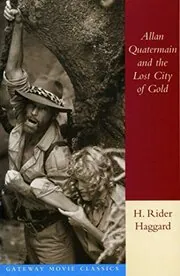
Allan Quatermain and the Lost City of Gold
by H Rider Haggard
1999
This edition ties Quatermain to the hunt for a hidden city rich with danger and buried secrets. Readers drawn to his lost-world adventures will find the familiar mix of trek, battle, and treasure.
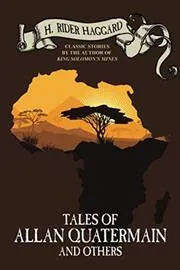
Tales of Allan Quatermain and Others
by H Rider Haggard
2002
This collection gathers Allan Quatermain pieces alongside other Haggard stories. Expect big-game danger, hard choices, and the mix of action and uncanny atmosphere that suits his shorter fiction.

Hunter Quatermain's Story
by H Rider Haggard
2003
In this short Allan Quatermain tale, a hunt in Africa turns into a brutal test of nerve and survival. It is a compact, direct adventure told in Quatermain's dry, matter-of-fact voice.
Where to start with H Rider Haggard
If you want the classic lost-world adventure: King Solomon's Mines → Allan Quatermain
If you want the immortal-queen books: She → Ayesha → Wisdom's Daughter
If you want Allan at his most personal: Marie → Child of Storm → Finished
If you want a big standalone historical epic: Montezuma's Daughter → Cleopatra → Moon of Israel
H Rider Haggard sub-series and character series
H Rider Haggard collections, short stories, and related book types
Non-Fiction
Chapbooks
Standalone H Rider Haggard books
Author bio
H Rider Haggard was born Henry Rider Haggard on June 22, 1856, at Bradenham Hall in Norfolk, England. He grew up in a large family and was never marked out as the shining scholar among his brothers. School at Ipswich Grammar and later in London did not turn him into a model student, but it did leave him with a restless imagination and a taste for history, myth, and big romantic ideas.
At nineteen, his father sent him to South Africa to work for Sir Henry Bulwer, the lieutenant-governor of Natal. Those years changed everything. Haggard lived close to the politics and violence of the region, traveled widely, hunted, rode hard, and later served in the Transvaal administration. The landscapes, conflicts, and people he encountered there would feed his fiction for the rest of his life.
Back in England in 1881, he tried the respectable path. He studied law, was called to the bar, and published a nonfiction book, Cetywayo and His White Neighbours, about South African affairs. But the law bored him. Writing did not. He later recalled that his first novel, Dawn, began after he and his wife noticed a striking young woman in church and decided she looked like the heroine of a story.
Then came the real turning point. After boasting that he could write an adventure story as good as Treasure Island, Haggard sat down and produced King Solomon's Mines in 1885. It was a hit at once. A year later he wrote She, with its immortal queen Ayesha, and that book became even bigger. Those two novels did most of the work in making his name, and they still shape how readers meet him today.
Haggard was never just a one-book man. Readers who like Allan Quatermain usually come for the mix of plainspoken narration, hard travel, danger, and wonder. Others go straight to Ayesha, Nada the Lily, Cleopatra, or Montezuma's Daughter, where he shifts into lost worlds, ancient kingdoms, Zulu tragedy, and historical romance. Even when the books get strange, and they often do, he keeps the story moving.
He wrote a lot.
Success let him leave the law behind and settle more fully into life as an author, but he did not spend all his time at a desk. He cared deeply about farming and rural life, worked as a gentleman farmer in Norfolk, and became active in public debates about land use and agricultural reform. Books like A Farmer's Year and Rural England show that side of him clearly.
His fiction reflects the imperial world he lived in, and modern readers often notice attitudes and language that feel dated or troubling now. Still, his influence is hard to miss. The lost-world adventure, the hidden kingdom, the weary hunter, the immortal queen waiting through the centuries, all of that runs through later popular fiction. He was knighted in 1912, made a KBE in 1919, and died in London on May 14, 1925.
He kept writing almost to the end.
Today Haggard is remembered less as a Victorian monument and more as a writer of stories that still know how to pull a reader onward, across desert, into ruin, through prophecy, and toward whatever impossible thing waits at the far edge of the map.






Edited by
Software engineer whose passion for tracking book recommendations from podcasts inspired the creation of MRB.
Lead investor at 3one4 Capital whose startup expertise and love for books helped shape MRB and its growth.
Comments
Did we miss something? Have feedback?
Help us improve this page by sharing your thoughts