
Guardians of Childhood Picture Books Books in Order
Part ofWilliam Joyce Books in OrderBrowse the Guardians of Childhood picture books by William Joyce in order, with summaries, reading order, series background, and where to start.
Last updated:
As an Amazon Associate, we earn from qualifying purchases (at no extra cost to you).
Guardians of Childhood Picture Books books in publication order
3 books
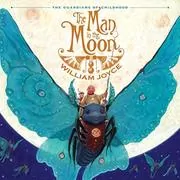
The Man in the Moon
by William Joyce
2010
Joyce begins the Guardians myth with a child who becomes the Man in the Moon, first protector of childhood. It is a sweeping origin story told in picture-book form, full of wonder and loss.
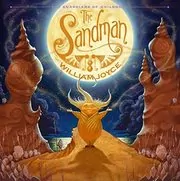
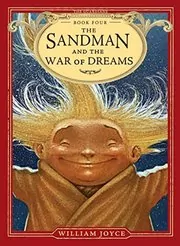
The Sandman
by William Joyce
2012
When the night needs a guardian, the Sandman answers. This picture book tells his true story as a quiet keeper of dreams, balancing bedtime calm with a hint of looming darkness.
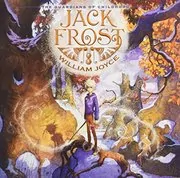
Jack Frost
by William Joyce
2015
This picture book reintroduces Jack Frost as more than a playful winter spirit. It is an origin tale about loneliness, wonder, and finding a place in the wider world of the Guardians.
Guardians of Childhood Picture Books books in chronological order
Series background & context
The Guardians of Childhood Picture Books are the large-format, richly illustrated side of William Joyce's wider Guardians world. These books take the same mythology behind the novels and tell it in a more visual, more immediate way. Instead of long chapters and sprawling quests, you get origin stories, dream logic, and big pages that do a lot of the storytelling on their own.
The core titles, The Man in the Moon, The Sandman, and Jack Frost, each focus on one of the figures who will later matter in the larger saga. The Man in the Moon begins at the beginning, showing how a child becomes the first guardian. The Sandman turns the keeper of dreams into a quiet but powerful protector. Jack Frost gives the winter spirit a gentler, more personal introduction than readers might expect.
These books feel closer to bedtime than to battle.
That does not mean they are slight. Joyce is still working with the same big ideas here: fear, wonder, loneliness, belief, memory, and the way children make sense of the dark. Pitch, the force of nightmares in this universe, hovers at the edge of the picture-book world too, even when the stories themselves stay accessible to younger readers. The sense of danger is present, but it is softened by warmth and by the painterly beauty of the art.
The format matters a lot. These books are built for reading aloud, lingering over, and revisiting. A younger child can enjoy the pictures and the fairy-tale sweep without needing all the lore. An older reader can treat them as doorways into the larger Guardians of Childhood story. They work especially well for families who want the world of the Guardians without jumping straight into the longer novels.
Joyce's visual style is a huge part of the appeal. The pages are full of moonlight, clouds, sweeping skies, and old-world machinery, but they never lose the tenderness at the center. He likes grand ideas, yet he nearly always grounds them in one child, one dream, one act of courage, or one lonely figure trying to find a place.
If you want the softest entry point into this universe, start here. The picture books give you the emotional map of the series before the later books widen the world. They are lovely on their own, and they also make the bigger mythology feel deeper once you move on.
Edited by
Software engineer whose passion for tracking book recommendations from podcasts inspired the creation of MRB.
Lead investor at 3one4 Capital whose startup expertise and love for books helped shape MRB and its growth.
Comments
Did we miss something? Have feedback?
Help us improve this page by sharing your thoughts