
Great Minds of Science Books in Order
Part ofLaura L Sullivan Books in OrderSee Laura L Sullivan's Great Minds of Science books in order, with quick summaries, series background, and where to start with these scientist biographies.
Last updated:
As an Amazon Associate, we earn from qualifying purchases (at no extra cost to you).
Great Minds of Science books in publication order
1 book
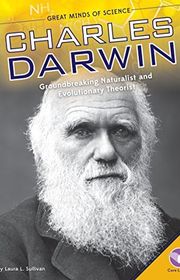
Charles Darwin
by Laura L Sullivan
2015
A concise biography of Charles Darwin that traces his curiosity, travels, and scientific work. It explains how his observations, especially from the voyage of the Beagle, helped shape the theory of evolution.
Great Minds of Science books in chronological order
Series background & context
The Great Minds of Science series introduces major scientific figures through short biographies meant for younger readers. The books usually focus on the shape of a life as much as on the headline discovery. What was this person curious about? What did they observe? What obstacles did they face? How did their ideas change the way other people understood the world?
That human angle keeps the science from feeling remote.
A child reading about a famous scientist does not only need the final theory or invention. They also need the process. The best books in this sort of series show science as work done by people who made mistakes, changed their minds, argued with others, and kept asking questions. That makes big ideas feel less like magic and more like patient investigation.
Laura L. Sullivan's Charles Darwin is a natural fit for the line. Darwin's story offers a strong narrative arc, a curious young naturalist, a long voyage, years of careful observation, and a theory that changed biology forever. For young readers, the interest often begins with concrete things, beetles, birds, fossils, travel, and only then grows into the larger idea of evolution by natural selection.
That gradual move from detail to concept is one of the strengths of the series. A book can begin with the sort of facts children naturally like, what someone collected, where they traveled, what they saw, and use those to build toward harder intellectual material. The reader comes away with both a life story and a first grasp of why the work mattered.
These books also tend to be useful in school settings because they join biography with science literacy. A student can read one for a report on a historical figure, but also pick up vocabulary and background that supports later science learning. In that way, the series acts as a bridge between subjects that are too often kept apart.
If you want scientist biographies that feel approachable and purposeful, Great Minds of Science does that well. It reminds young readers that scientific breakthroughs begin with attention, persistence, and the willingness to keep looking at the world until a better explanation comes into view.







Edited by
Software engineer whose passion for tracking book recommendations from podcasts inspired the creation of MRB.
Lead investor at 3one4 Capital whose startup expertise and love for books helped shape MRB and its growth.
Comments
Did we miss something? Have feedback?
Help us improve this page by sharing your thoughts