
Grace Livingston Hill Books in Order
Browse Grace Livingston Hill books in order with short summaries, series notes, and where-to-start picks for clean romance, mystery, and historical drama.
Last updated: 1 new book added
As an Amazon Associate, we earn from qualifying purchases (at no extra cost to you).
Grace Livingston Hill books in publication order
126 books
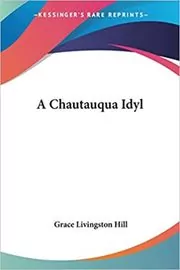
A Chautauqua Idyl
by Grace Livingston Hill
1887
A short early novel set around a Chautauqua summer gathering, where ordinary conversations about work, faith, and friendship turn into life-changing choices. Part romance, part gentle moral tale, it captures the mood of an era built on community.
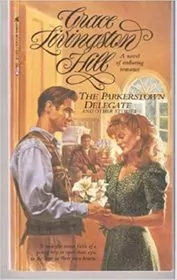
The Parkerstown Delegate
by Grace Livingston Hill
1892
Lois Peters returns to Parkerstown as a delegate for a Christian convention and finds her hometown full of needs she can’t ignore. Her kindness draws her back to an old friend, and both must decide what faithful love looks like in practice.
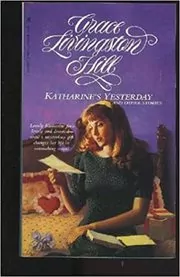
Katharine's Yesterday
by Grace Livingston Hill
1895
An early collection of Christian Endeavor stories, centered on everyday dilemmas, quiet courage, and the way faith shows up in ordinary homes. It’s a good snapshot of Hill’s short, sermon-light storytelling from her earliest years.
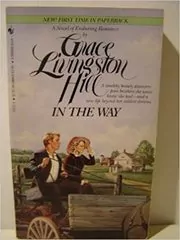
In the Way
by Grace Livingston Hill
1897
Wealthy New Yorker Ruth Benedict moves to a small village and quickly learns that money can’t buy trust. Nearly everyone keeps their distance, except one man who sees past the gossip, and Ruth must decide what kind of life she wants.
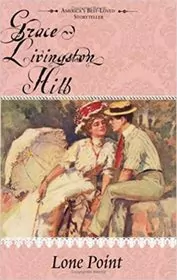
Lone Point
by Grace Livingston Hill
1898
A summer outing changes the direction of several lives in this early story of friendship, faith, and slow-building romance. Hill keeps the drama close to home, where small choices, and small kindnesses, have lasting effects.
A Daily Rate
by Grace Livingston Hill
1900
Celia Murray leaves the only warm home she has known and takes work in the city, ending up in a dreary boardinghouse. As she rebuilds her life, she helps transform the house itself, and discovers love where she least expects it.
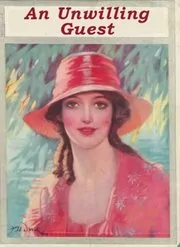
An Unwilling Guest
by Grace Livingston Hill
1902
A reluctant visitor is pulled into a household where nothing is as simple as it first looks. As secrets surface and loyalties shift, an “unwilling guest” has to choose between self-protection and doing what is right.

Safety First
by Grace Livingston Hill
1902
A short tale where “safety first” becomes more than a slogan, it’s a test of judgment and trust. Hill builds tension through a risky situation and the choices around it, then grounds the resolution in courage and clear conscience.
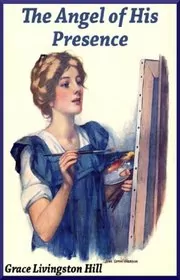
The Angel of His Presence
by Grace Livingston Hill
1902
John Wentworth Stanley returns home from travel abroad with his mind fixed on high society, until an unexpected gift and a new set of friendships pull him in a different direction. It’s a romance shaped by conscience, faith, and a changed heart.
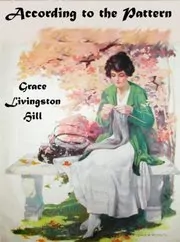
According to the Pattern
by Grace Livingston Hill
1903
Miriam Winthrop is shaken when she believes her husband has fallen for another woman. Determined not to give up on her marriage, she tries to fight for his love without losing herself, testing what forgiveness and faith look like at home.
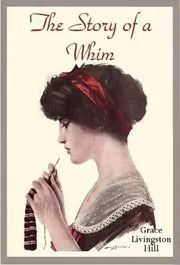
The Story of a Whim
by Grace Livingston Hill
1903
A spur-of-the-moment decision sets off consequences nobody planned for in this romance of mistaken assumptions and second thoughts. Hill follows the ripple effects of one “whim” as characters learn what honesty, humility, and love demand.
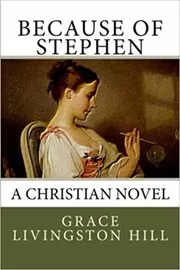
Because of Stephen
by Grace Livingston Hill
1904
Because of Stephen traces how one person’s choices can quietly redirect other lives. Family pressure, pride, and faith collide as characters weigh what they want against what they know is right, with romance growing in the middle of it all.
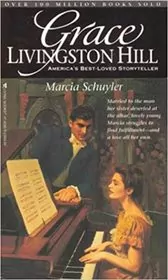
Marcia Schuyler
by Grace Livingston Hill
1908
On the morning of a wedding, Marcia Schuyler’s sister runs away, and Marcia becomes the bride instead. Married to David Spafford almost as a rescue plan, she must build a real partnership in a new home while old trouble keeps circling back.
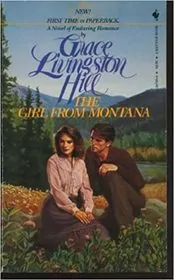
The Girl from Montana
by Grace Livingston Hill
1908
A young woman from Montana heads into unfamiliar social territory, carrying her own code of honesty and grit. When she clashes with expectations back East, she has to decide what to keep, what to forgive, and who she can truly trust.
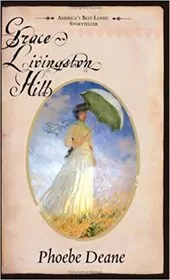
Phoebe Deane
by Grace Livingston Hill
1909
Phoebe Deane faces pressure to make a “sensible” match, and the choice follows her long after the wedding. As she learns the cost of safety without love, faith and steady friendship become the lifelines that could still change her future.
Aunt Crete's Emancipation
by Grace Livingston Hill
1911
Aunt Crete has spent years being managed by other people, and she is tired of it. This short, warm story follows her bid for independence, and the family shake-up that comes when a quiet woman finally speaks plainly.
Dawn of the Morning
by Grace Livingston Hill
1911
A new morning arrives after a long season of disappointment, but it doesn’t come without hard choices. Hill follows characters who must let go of old hurts, face family pressure, and learn how hope can be practical, not just pretty.
The Mystery of Mary
by Grace Livingston Hill
1912
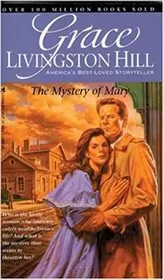
Mary stumbles into danger after witnessing a crime and flees for safety, only to find herself tangled in a mystery she can’t explain. With help from an unexpected ally, she fights for the truth while keeping her own secrets guarded.
Lo, Michael
by Grace Livingston Hill
1913
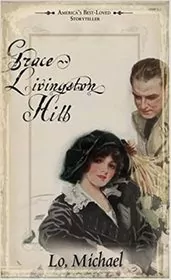
Lo, Michael follows a young man forced to face the gap between good intentions and a life actually lived. As relationships strain under pride and misunderstanding, Michael must choose humility and faith, and the choice reshapes everyone around him.
The Best Man
by Grace Livingston Hill
1914
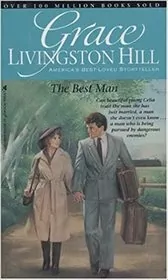
A wedding celebration turns complicated when the “best man” becomes central to a mix-up that threatens reputations and safety. Hill blends romance and suspense as two strangers try to do the decent thing under pressure, with consequences closing in fast.
The Man of the Desert
by Grace Livingston Hill
1914
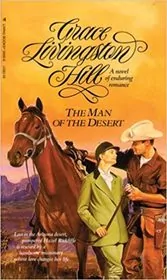
Fleeing an aggressive suitor, Hazel Radcliffe becomes lost in the Arizona desert and is rescued by missionary John Brownleigh. As he nurses her back to health, love grows across a sharp divide of class and expectation, and both must count the cost.
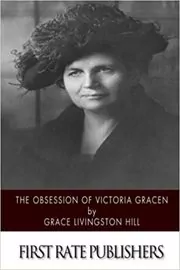
The Obsession of Victoria Gracen
by Grace Livingston Hill
1914
Victoria Gracen’s fixations start as private thoughts and quickly become a trap for everyone near her. This is a romance with a darker edge, where obsession, manipulation, and conscience collide, and the only way out is the truth.
Miranda
by Grace Livingston Hill
1915
Miranda has spent her life watching other people’s dramas from the edge of the room, but she is done staying quiet. In a small 1830s community, her sharp eyes and strong opinions pull her into a tangled story of loyalty, love, and long-held secrets.
A Voice in the Wilderness
by Grace Livingston Hill
1916
Margaret Earle heads west to teach, but a wrong turn leaves her stranded in the Arizona wilderness. Rescued by a man shaped by the desert, she must learn courage quickly, and decide what she believes about God, love, and her own future.
The Finding of Jasper Holt
by Grace Livingston Hill
1916
A chance discovery leads to Jasper Holt, and to questions nobody wants answered. As identities and motives are tested, Hill layers romance over a search for the truth, with faith and integrity as the only steady ground.
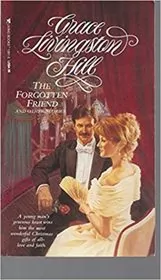
The Forgotten Friend
by Grace Livingston Hill
1916
A forgotten friend returns to memory at the worst possible time, and the reminder changes everything. Written as a missionary offering story, it’s a brief, heartfelt look at gratitude, responsibility, and the kind of giving that costs something.
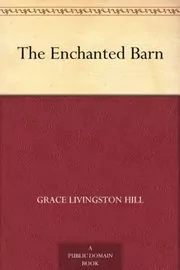
The Enchanted Barn
by Grace Livingston Hill
1917
After their father dies, Shirley Hollister supports her siblings and sick mother and must find a new home fast. An empty stone barn becomes their refuge, but Shirley’s shorthand and courage pull her into fraud and danger, and toward a rich owner who notices her.
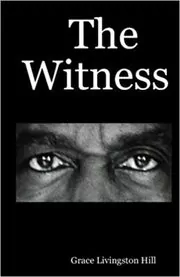
The Witness
by Grace Livingston Hill
1917
College senior Paul Courtland watches cruelty on campus turn into tragedy, and the shock cracks open his confidence. Drawn into the quiet world of a bullied, faithful classmate, Paul has to decide who he will become when popularity stops protecting him.

A Government Position
by Grace Livingston Hill
1919
A new job in public service sounds like security, until it exposes a character to pressure and compromise. A Government Position blends romance and moral tension as someone learns that integrity costs more, and is worth more, than a paycheck.
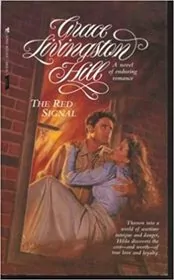
The Red Signal
by Grace Livingston Hill
1919
A single red signal, and the split-second decisions around it, set off a chain of misunderstandings and danger. This is Hill in suspense mode, with romance threaded through a story about responsibility, truth, and the cost of looking away.
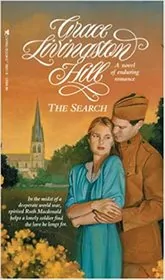
The Search
by Grace Livingston Hill
1919
A search begins with a simple question and quickly turns personal. As characters chase answers about identity, love, and loyalty, Hill keeps the tension grounded in everyday choices, where the right path is rarely the easiest one to take.
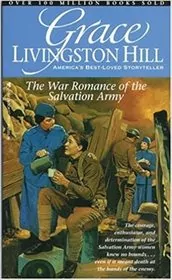
The War Romance of the Salvation Army
by Grace Livingston Hill
1919
A narrative look at the Salvation Army’s wartime work, focusing on sacrifice, compassion, and the practical logistics of serving people in crisis. It reads like a mix of history and testimony, told with Hill’s warm, faith-forward voice.
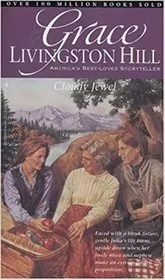
Cloudy Jewel
by Grace Livingston Hill
1920
Cloudy Jewel follows a young woman marked by a reputation she didn’t choose. When she’s forced into new surroundings, she has to decide who to trust, how much of her past to reveal, and whether love can grow without pretending.
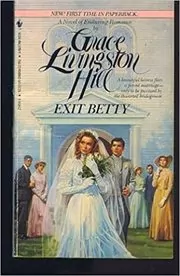
Exit Betty
by Grace Livingston Hill
1920
Betty is determined to make a clean exit from the life that has boxed her in, but leaving is harder than it sounds. Hill combines humor, romance, and a few sharp surprises as Betty learns that freedom without honesty does not last.
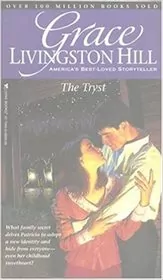
The Tryst
by Grace Livingston Hill
1921
A planned meeting, a “tryst,” becomes the spark for a story of misread motives and difficult choices. With reputations on the line, two people must decide whether to protect appearances or tell the truth and accept the fallout.
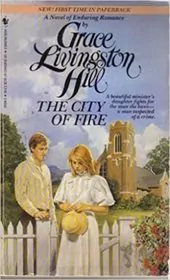
The City of Fire
by Grace Livingston Hill
1922
In a city shaken by fire and upheaval, ordinary people are forced to act fast and rethink what matters. Hill blends disaster, compassion, and romance as characters look for safe ground, and discover what kind of courage they actually have.
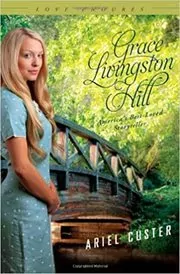
Ariel Custer
by Grace Livingston Hill
1923
Ariel Custer is a young woman trying to live with integrity when the people around her expect something easier and smaller. Family pressure, social games, and unexpected kindness shape a romance that grows out of hard-earned trust.

The Big Blue Soldier
by Grace Livingston Hill
1923
A soldier in blue becomes an unlikely anchor for people who are tired, frightened, and far from home. Set against the pressures of war and loyalty, Hill tells a story of courage, faith, and the way one good man can steady a whole circle.
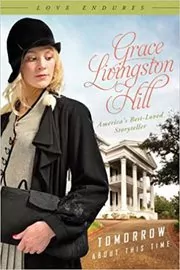
Tomorrow About This Time
by Grace Livingston Hill
1923
A promise made for “tomorrow about this time” turns into a test of character. Hill builds romantic tension through delays, misunderstandings, and the quiet work of keeping your word when it would be easier to walk away.
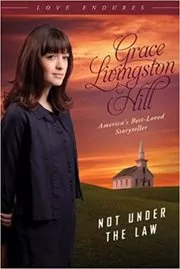
Not Under the Law
by Grace Livingston Hill
1924
Not Under the Law explores the difference between living by rules and living by grace. Through a family and a growing romance, Hill shows how pride can masquerade as righteousness, and how mercy can change a home from the inside out.
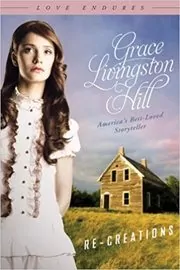
Re-Creations
by Grace Livingston Hill
1924
A mixed collection of shorter pieces that show Hill’s range, from quick character sketches to faith-leaning reflections. It’s an easy dip-in book for readers who like her voice but want something lighter than a full-length novel.
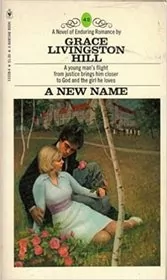
A New Name
by Grace Livingston Hill
1925
A New Name is about starting over when your old life no longer fits. As a character steps into a new identity, the story tests what can be left behind, what must be faced, and whether love can survive the truth.
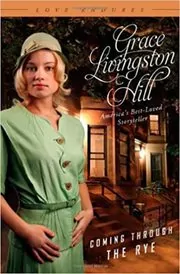
Coming Through the Rye
by Grace Livingston Hill
1926
Coming Through the Rye follows characters trying to find steady footing after a season of upheaval. Hill threads romance through questions of honesty and loyalty, showing how a single mistake can be redeemed, but not ignored.
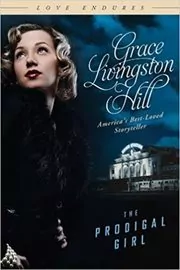
The Prodigal Girl
by Grace Livingston Hill
1926
A young woman runs from home and consequences, only to learn that freedom has a price. In The Prodigal Girl, Hill builds a story of repentance and return, with family bonds, faith, and a slow-burn romance waiting on the other side.
Job's Niece
by Grace Livingston Hill
1927
Job’s niece arrives in a household full of opinions and old grudges, and she refuses to play along. Hill mixes family tension with a growing romance as the niece’s honesty forces everyone to face what they’ve been avoiding.
The Honor Girl
by Grace Livingston Hill
1927
The Honor Girl centers on a young woman held up as an example, and the pressure that comes with it. When private pain and public expectations collide, she must choose integrity over applause, and learn who her true friends are.
The White Flower
by Grace Livingston Hill
1927
A white flower becomes a symbol in a romance where purity, sacrifice, and real-world temptation collide. Hill follows characters who want to do right but keep getting pulled off course, until truth and humility finally clear the air.
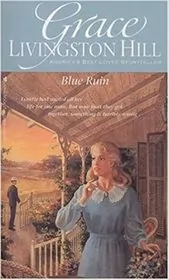
Blue Ruin
by Grace Livingston Hill
1928
Blue Ruin is a story of damaged reputation and the slow work of rebuilding trust. With romance in the background, Hill keeps the focus on choices, small and large, that either deepen the ruin or point the way out.
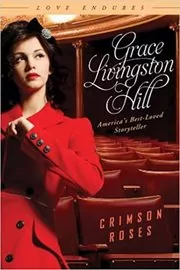
Crimson Roses
by Grace Livingston Hill
1928
Crimson Roses threads romance through family conflict and hard lessons about pride. Hill uses the image of roses, beautiful but thorned, to explore love that costs something, and the kind of forgiveness that has to be chosen, not felt.
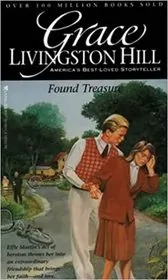
Found Treasure
by Grace Livingston Hill
1928
Found Treasure begins when someone stumbles onto an unexpected gift, and realizes it can change more than finances. Hill turns “treasure” into a test of character, asking what happens when generosity, envy, and love share the same room.
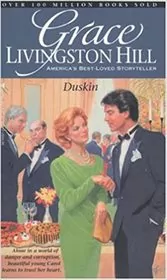
Duskin
by Grace Livingston Hill
1929
Duskin follows a character caught between the life they inherited and the life they actually want. Romance grows in the tension, but the real conflict is about integrity, and learning to see people clearly instead of through old stories.
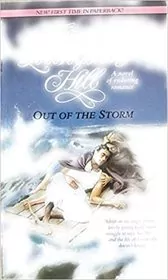
Out of the Storm
by Grace Livingston Hill
1929
Out of the Storm is a recovery story, emotional and practical, about rebuilding after crisis. Hill pairs romance with the day-to-day work of making a home safe again, and shows how steady faith can be stronger than panic.
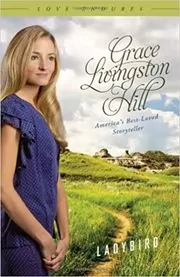
Ladybird
by Grace Livingston Hill
1930
Left alone after her mother’s death, Fraley must navigate a harsh world with very little protection. Ladybird blends romance, danger, and a stubborn will to survive, as she learns who is safe, who is not, and what she is capable of.
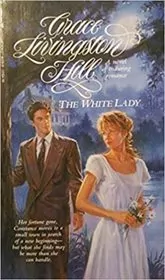
The White Lady
by Grace Livingston Hill
1930
A mysterious “white lady” sits at the center of a story of secrets, mistaken impressions, and unexpected loyalty. Hill balances gentle romance with suspense, letting the truth unfold in layers as characters learn who they can trust.
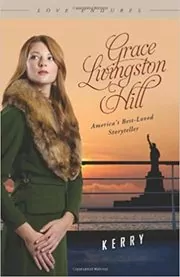
Kerry
by Grace Livingston Hill
1931
Kerry follows a young woman trying to do right in a world that rewards shortcuts. Family complications and social pressure push her to the edge, but a steady, respectful romance offers a different kind of future.
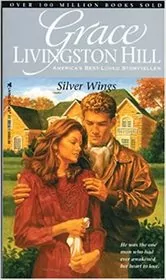
Silver Wings
by Grace Livingston Hill
1931
Silver Wings blends romance with a story of rescue and renewal, where help arrives from an unexpected direction. Hill keeps the tension close, asking what it means to accept grace when you’re used to earning everything the hard way.
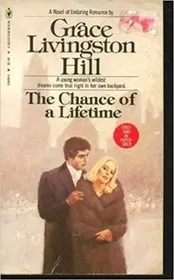
The Chance of a Lifetime
by Grace Livingston Hill
1931
One unexpected opportunity, the chance of a lifetime, forces a character to choose between comfort and conviction. Hill’s romance grows out of practical decisions, where doing the right thing may cost status, money, or pride.
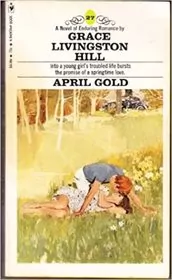
April Gold
by Grace Livingston Hill
1932
April Gold is a springtime story of unexpected provision and new beginnings. As a character’s circumstances change suddenly, Hill blends romance and faith with practical details, asking what you do when help arrives, and what you do with it.
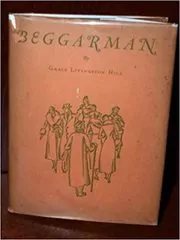
Beggarman
by Grace Livingston Hill
1932
A brief, poignant story about dignity, generosity, and the way a single encounter can expose a family’s true values. Beggarman is one of Hill’s rare pamphlet stories, built to be read in a single sitting and remembered longer.
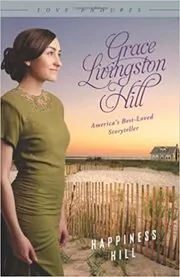
Happiness Hill
by Grace Livingston Hill
1932
Happiness Hill is about building joy in an ordinary life, not chasing it in big promises. Hill follows characters who are worn down by circumstances, then slowly gathers them into a community where love, work, and faith begin to fit together.

Her Wedding Garment
by Grace Livingston Hill
1932
One of Hill’s pamphlet-length stories, Her Wedding Garment centers on preparation, integrity, and what it means to be ready for love and for life. It’s a short read with a clear moral spine and a hopeful ending.
House Across the Hedge
by Grace Livingston Hill
1932
A hedge seems like a small boundary until it hides what matters most. In this short pamphlet story, the house across the hedge becomes the scene of quiet transformation, as neighbors learn how much kindness can change a life.
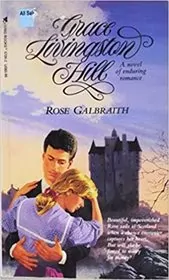
Rose Galbraith
by Grace Livingston Hill
1932
Rose Galbraith is a story about a young woman learning to stand on her own principles when the people around her expect compromise. As family and romance tug in different directions, Rose has to decide what kind of life she is willing to live.

Something Quite Forgotten
by Grace Livingston Hill
1932
Something Quite Forgotten is a short, tender story about memory, regret, and the moment when the past comes back for a second look. Hill keeps the focus on forgiveness, and on how a small act of honesty can repair years of distance.
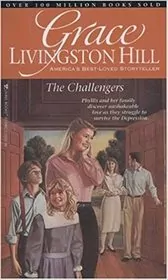
The Challengers
by Grace Livingston Hill
1932
The Challengers brings together strong-willed characters who won’t back down, even when pride is the real enemy. With romance and faith as undercurrents, Hill turns a clash of wills into a lesson about humility and genuine courage.
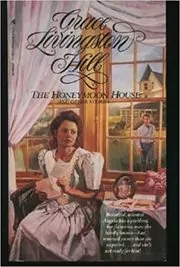
The Honeymoon House
by Grace Livingston Hill
1932
A house meant for happiness becomes a place of testing when secrets and misunderstandings move in first. The Honeymoon House blends romance with a moral problem that can’t be dodged, and shows how a marriage can be strengthened by truth.
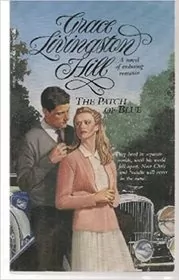
The Patch of Blue
by Grace Livingston Hill
1932
The Patch of Blue follows characters whose hopes are small but stubborn, like a bright scrap of color in a gray week. Hill layers romance over questions of honesty, sacrifice, and what it takes to start over without bitterness.
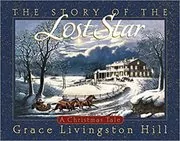
The Story of the Lost Star
by Grace Livingston Hill
1932
A lost star, whether a person, a dream, or a guiding light, becomes the center of this short pamphlet tale. Hill keeps it simple and moving, showing how faith and perseverance can bring someone back from being “lost.”
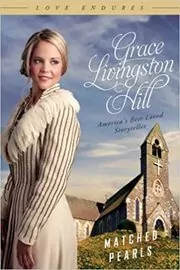
Matched Pearls
by Grace Livingston Hill
1933
Matched Pearls uses a small object, a set of pearls, to tie together a romance and a lesson about value. As characters wrestle with honesty and pride, the story asks what is truly “matched,” appearance, intention, or character.
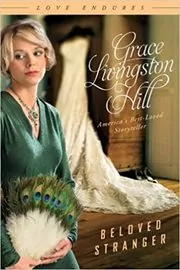
The Beloved Stranger
by Grace Livingston Hill
1933
The Beloved Stranger follows a young woman stepping into an unfamiliar family circle and learning that “belonging” has to be built, not assumed. Hill mixes travel, family tension, and romance, with faith as the steady thread when trust feels risky.
Amorelle
by Grace Livingston Hill
1934
Amorelle centers on a heroine caught between what she has been told love should look like and what real love requires. Hill’s trademark mix of faith, family conflict, and slow-building romance turns a pretty dream into a hard-won choice.
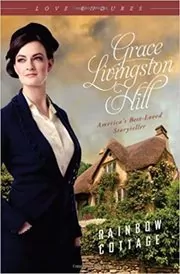
Rainbow Cottage
by Grace Livingston Hill
1934
Rainbow Cottage is a homecoming story where a simple place becomes a shelter, and then a crossroads. Hill mixes domestic detail with romance and quiet suspense, showing how a safe refuge can also demand hard honesty.
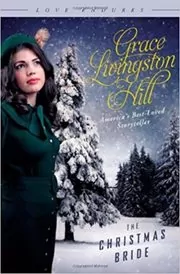
The Christmas Bride
by Grace Livingston Hill
1934
A winter wedding, a tight deadline, and a family full of expectations set the stage for this holiday-tinged romance. Hill keeps the focus on trust and integrity as a young woman faces pressure from all sides, and finds help where she didn’t plan.
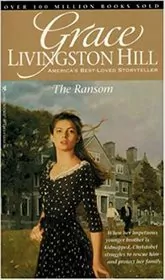
The Ransom
by Grace Livingston Hill
1934
A threatened “ransom” forces characters to confront fear, greed, and what they’ll sacrifice to protect the people they love. Hill threads romance through danger, then grounds the resolution in faith, courage, and clear-eyed choices.

The Ransomers
by Grace Livingston Hill
1934
A brief suspense-leaning story where “ransomers” force a family into fear and hard decisions. Hill keeps the danger offstage enough for her clean style, while spotlighting courage, quick thinking, and the kind of faith that refuses to panic.
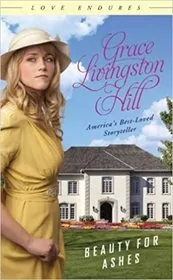
Beauty for Ashes
by Grace Livingston Hill
1935
Beauty for Ashes is built around loss and the slow turning of grief into hope. With romance as part of the healing, Hill follows characters who learn that restoration is not instant, but it can be real, and it often starts with one brave step.
Life Out of Death
by Grace Livingston Hill
1935
One of Hill’s short pamphlet stories, Life Out of Death focuses on renewal after defeat. It’s a compact tale of repentance and fresh start, written to be read quickly but to leave a lingering reminder that hope can rise from ruins.
Old Guard
by Grace Livingston Hill
1935
Old Guard is a short, focused story about loyalty and the long habits of faith. Hill honors the steady people who keep showing up, then tests that steadiness with a moral challenge that demands both courage and tenderness.
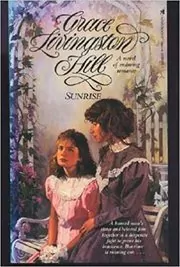
Sunrise
by Grace Livingston Hill
1935
Sunrise is a story of starting again after a long night, emotional or literal. Hill builds romance through small moments of faith and perseverance, where change happens gradually, and the first sign of light is simply refusing to quit.
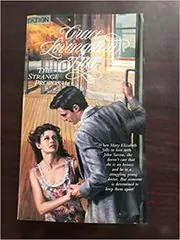
The Strange Proposal
by Grace Livingston Hill
1935
A proposal arrives in a form nobody expects, and it forces a fast decision with long consequences. Hill blends romance with social pressure and practical concerns, asking what “love” means when it has to be chosen against common sense.
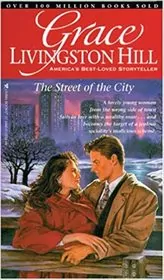
The Street of the City
by Grace Livingston Hill
1935
The Street of the City steps into crowded urban life, where temptation and poverty sit close together. Hill keeps the story hopeful without pretending the problems are simple, pairing romance with a call to compassion and personal responsibility.
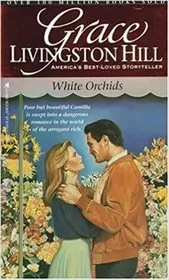
White Orchids
by Grace Livingston Hill
1935
White Orchids ties romance to the fragile world of appearances, where beauty can hide manipulation. As characters sort out what is real and what is performative, Hill pushes them toward honesty, humility, and a love that does not need posing.
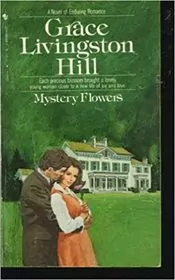
Mystery Flowers
by Grace Livingston Hill
1936
Mystery Flowers blends gentle romance with an unraveling puzzle, where small clues and hidden motives matter. Hill keeps the suspense tame but steady, focused on trust, truth, and the quiet heroism of doing the right thing when nobody is watching.
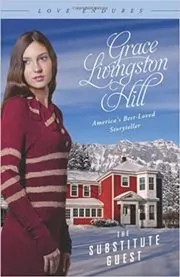
The Substitute Guest
by Grace Livingston Hill
1936
A “substitute guest” steps into a situation that was meant for someone else, and the mix-up reveals more than anyone planned. Hill uses the outsider viewpoint to expose family tensions, then lets romance grow out of shared decency and courage.
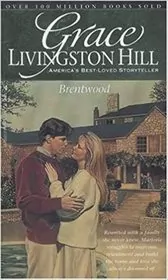
Brentwood
by Grace Livingston Hill
1937
Brentwood is a place, and a test, where characters learn that comfort can be fragile. Hill pairs romance with questions of duty, money, and honesty, showing how a good life is built from truth, not from keeping up appearances.
Daphne Deane
by Grace Livingston Hill
1937
Daphne Deane follows a heroine whose choices are constrained by family and reputation, until she decides they won’t be the final word. Hill mixes romance, social tension, and faith, letting Daphne’s integrity become the real turning point.
Homing
by Grace Livingston Hill
1938
Homing is about finding the way back, to family, to faith, and to yourself. Hill blends romance with a sense of return after wandering, where pride has to soften before a real home can be rebuilt.
Marigold
by Grace Livingston Hill
1938
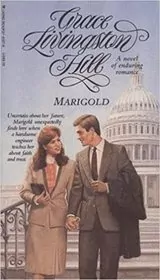
Marigold follows a heroine whose bright spirit is tested by hard circumstances. Hill pairs romance with practical survival, showing how kindness can be stubborn, and how faith can keep a person steady when everything else feels uncertain.
Maris
by Grace Livingston Hill
1938
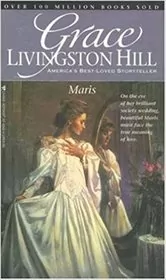
Maris is a story of identity and belonging, where a young woman must decide which voice to trust, the one that flatters her or the one that tells the truth. Hill’s romance grows slowly out of respect and shared conviction.

The Best Birthday
by Grace Livingston Hill
1938
Written as a Christmas entertainment for children, The Best Birthday centers on the meaning of Christmas and the story of salvation. It’s a simple play, meant for church performance, with warm, direct language and a clear message.
The Divided Battle
by Grace Livingston Hill
1938
A brief pamphlet story about inner conflict and hard choices, The Divided Battle focuses on a heart pulled in two directions. Hill keeps it tightly plotted, showing how integrity is forged when you stop bargaining and start obeying what you know is right.
The Lost Message
by Grace Livingston Hill
1938
A letter goes missing and the gap it leaves grows into suspicion, regret, and missed chances. The Lost Message is a short pamphlet story where one small piece of paper holds a whole relationship in the balance.
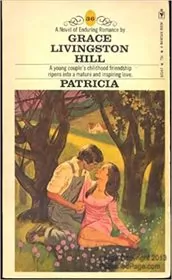
Patricia
by Grace Livingston Hill
1939
Patricia centers on a heroine learning to stand her ground with grace. As family dynamics shift and romantic feelings complicate the picture, Hill keeps the focus on character, and on choosing the kind of love that makes life larger, not smaller.
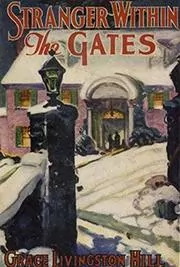
Stranger Within the Gates
by Grace Livingston Hill
1939
Mary Garland expects a quiet Christmas, until her college-age son announces he is married and bringing his bride home. The new wife throws the family into turmoil, and Sylvia Garland must decide whether to fight, to flee, or to love with open eyes.
The Seventh Hour
by Grace Livingston Hill
1939
The Seventh Hour is built around a deadline and the pressure it brings, emotional and practical. Hill mixes romance with a moral decision that can’t be postponed, showing how a single hour can change the direction of a whole life.
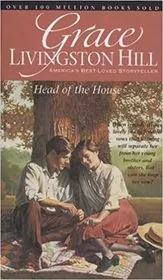
Head of the House
by Grace Livingston Hill
1940
Head of the House is a family drama where authority becomes a burden, and love tests who is really leading. Hill blends romance with questions of responsibility and control, then asks what happens when a household is steered by pride instead of care.
Partners
by Grace Livingston Hill
1940
Partners is a romance about working together, in business, in family, or in faith, and learning that real partnership requires honesty. Hill builds the tension through miscommunication and pressure, then lets the relationship deepen through shared sacrifice.
Astra
by Grace Livingston Hill
1941
Astra follows a heroine who refuses to be reduced to what other people think she should be. Hill mixes romance with a moral stand, showing how a young woman’s quiet conviction can change a whole circle of friends and family.
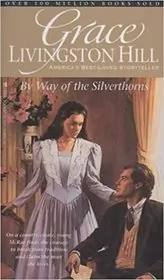
By Way of the Silverthorns
by Grace Livingston Hill
1941
By Way of the Silverthorns is a journey story where the path forward is rough, and the “silverthorns” represent the pain you can’t avoid. Hill’s romance grows through hardship, with faith tested by setbacks that feel unfair.
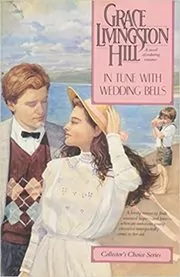
In Tune With Wedding Bells
by Grace Livingston Hill
1941
Music and wedding plans set the rhythm in this romance of timing, misunderstanding, and second chances. In Tune With Wedding Bells follows characters trying to listen for the right signals, from each other and from God, when emotions get loud.
Where to start with Grace Livingston Hill
If you want a feel-good home makeover romance: The Enchanted Barn → A Daily Rate → April Gold
If you like small-town marriage drama: Marcia Schuyler → Phoebe Deane → Miranda
If you want western adventure with faith: The Man of the Desert → A Voice in the Wilderness
If you prefer romance with a mystery thread: The Mystery of Mary → The Best Man → The Search
If you want later family tension and second chances: Stranger Within the Gates → All Through the Night → Where Two Ways Met
Grace Livingston Hill sub-series and character series
Grace Livingston Hill collections, short stories, and related book types
Short Stories/Novellas
Short Story Collections
Non-Fiction
Standalone Grace Livingston Hill books
Author bio
Grace Livingston Hill was born on April 16, 1865, in Wellsville, New York, into a family where church life and storytelling went hand in hand. Her father, Charles Montgomery Livingston, was a Presbyterian minister. Her mother, Marcia Macdonald Livingston, wrote as well, and books were simply part of the household.
She started writing young and was still a teenager when her first book, The Esselstynes, appeared in print. Early on she wrote for Christian publications connected with the Christian Endeavor movement, and she sometimes used the pen name Marcia Macdonald, a nod to her mother and family roots.
In her world, faith was not a backdrop, it was daily life.
In 1892 she married Rev. Thomas Guthrie Franklin Hill, and the couple had two daughters, Margaret and Ruth. Ministry work meant constant people, constant needs, and not much spare money. When her husband died suddenly in 1899, she was left to support her girls and her widowed mother, and writing stopped being a hobby and became the family plan.
She settled in Swarthmore, Pennsylvania, and wrote at a pace that still surprises modern readers, producing more than a hundred novels, novellas, and story collections over her lifetime. Many of her best-known books are romances, but they are also slice-of-life snapshots of their time, with boardinghouses, office work, church socials, and the everyday math of making ends meet.
If you start with A Daily Rate, you will see her knack for taking an ordinary problem, a young woman needing work and a safe place to live, and letting it open into a story about community and steady courage. Marcia Schuyler begins with a wedding-day shock and becomes a slow, thoughtful look at what it means to build trust. And The Enchanted Barn takes a family in trouble and lets them create a home where there should not be one.
Hill also liked to push her characters out of their comfort zones. In The Man of the Desert and A Voice in the Wilderness, the wide-open Southwest becomes a testing ground for both faith and love. In books like The Mystery of Mary and The Best Man, she leans into suspense and misunderstandings without losing the warm, clean tone her readers came for. A handful of her stories were even adapted into silent films in the 1910s and 1920s.
Even when the stakes are high, the solutions are personal.
Her private life carried its own hard chapters. In 1904 she married Flavius Josephus Lutz, a church organist, but the marriage eventually ended in a permanent separation in 1914, even though she did not pursue divorce. Through it all she kept writing, kept teaching, and stayed active in church work, including a Sunday school mission she began in Swarthmore.
Grace Livingston Hill died on February 23, 1947, in Swarthmore. She was still working, and her daughter Ruth Glover Hill Munce completed her final novel, Mary Arden, which was published after her death. Today her books are still passed around for the same reasons they were a century ago, they are gentle, plotty stories where integrity matters and hope is practical.



Edited by
Software engineer whose passion for tracking book recommendations from podcasts inspired the creation of MRB.
Lead investor at 3one4 Capital whose startup expertise and love for books helped shape MRB and its growth.
Comments
Did we miss something? Have feedback?
Help us improve this page by sharing your thoughts