
Glasgow Underworld Books in Order
Part ofMalcolm MacKay Books in OrderExplore the Glasgow Underworld books by Malcolm MacKay in order, with short summaries, series background, and a clear place to start.
Last updated:
As an Amazon Associate, we earn from qualifying purchases (at no extra cost to you).
Glasgow Underworld books in publication order
3 books
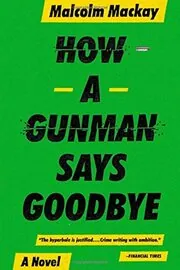
How a Gunman Says Goodbye
by Malcolm MacKay
2013
Veteran gunman Frank MacLeod is supposed to handle one more job, but age, doubt, and shifting loyalties make the assignment unstable from the start. In Glasgow's underworld, retirement is not something anyone grants willingly.
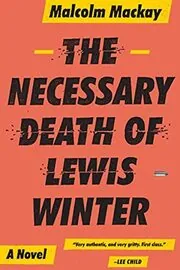
The Necessary Death of Lewis Winter
by Malcolm MacKay
2013
Calum MacLean is a careful freelance killer who takes a contract on Lewis Winter, a man marked for death by a Glasgow crime group. The job pulls him into gang politics that are far messier than a clean hit should be.
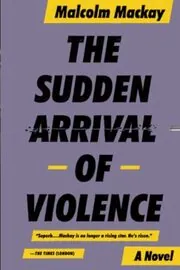
The Sudden Arrival of Violence
by Malcolm MacKay
2015
Two deaths give hitman Calum MacLean a chance to disappear just as Glasgow's criminal factions edge toward war. Detective Michael Fisher closes in while old loyalties and survival instincts start to crack.
Glasgow Underworld books in chronological order
Series background & context
The Glasgow Underworld books are the main spine of Malcolm MacKay's crime fiction. They start with the three novels often grouped as the Glasgow Trilogy, then widen into later books that share the same city, some of the same criminal networks, and the same sense that power is always being tested. These are not neat detective puzzles. They are crime stories about systems, reputation, routine, and what happens when fear becomes part of the workday.
The first three books, The Necessary Death of Lewis Winter, How a Gunman Says Goodbye, and The Sudden Arrival of Violence, build the foundation. Calum MacLean begins as a young freelance killer who takes a job and finds himself dragged deeper into gang politics than he planned. Frank MacLeod, an older gunman who knows how the trade wears a person down, becomes central in the second book. DI Michael Fisher gives the series its clearest police presence, but even then the real point of view stays close to the people living inside the underworld, not the people trying to clean it up.
Power shifts fast here.
The later books expand the city instead of repeating the trilogy. The Night the Rich Men Burned follows Alex Glass and Oliver Peterkinney as they drift into debt collection and learn how quickly ambition can turn poisonous. Every Night I Dream of Hell moves toward Nate Colgan inside the weakened Jamieson organization, with Zara Cope's return adding another layer of pressure and mistrust. For Those Who Know the Ending narrows the frame to Martin Sivok, tied up and waiting to see whether he can survive stealing dirty money from the wrong people. Each book can stand on its own, but together they make Glasgow feel bigger, meaner, and more connected.
What ties the series together is not one hero. It is the ecosystem. MacKay keeps returning to the same criminal economy, hitmen, bosses, fixers, enforcers, money men, debt collectors, and the people stuck close enough to be damaged by all of them. Side characters in one book can become major figures in another. Old favors, prison sentences, whispered threats, and bad timing matter just as much as guns. The result is a world that feels lived in, where every move has a cost and nobody gets to pretend they are starting fresh.
The tone is hardboiled, tense, and very controlled. MacKay is less interested in flashy set pieces than in meetings, phone calls, waiting, and the small changes in status that signal real danger. Violence matters in these books because it is always connected to business, pride, or survival. Glasgow matters too. It is not just a backdrop but a pressure chamber, a city of closed rooms, old grudges, and people who know exactly who owes what to whom.
If you like crime series that build a whole network instead of following one detective from case to case, this is the appeal. The trilogy is the natural entry point, and the later books reward readers who want more of the same world from different angles. Read in publication order, the series lets you watch the balance of power change one bad decision at a time.











Edited by
Software engineer whose passion for tracking book recommendations from podcasts inspired the creation of MRB.
Lead investor at 3one4 Capital whose startup expertise and love for books helped shape MRB and its growth.
Comments
Did we miss something? Have feedback?
Help us improve this page by sharing your thoughts