
George V Higgins Books in Order
Explore George V Higgins books in order, with short summaries, standout starting points, Jerry Kennedy reading order, and background on his Boston crime fiction.
Last updated:
As an Amazon Associate, we earn from qualifying purchases (at no extra cost to you).
George V Higgins books in publication order
32 books
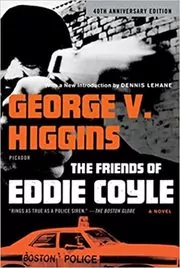
The Friends of Eddie Coyle
by George V Higgins
1970
Small-time gunrunner Eddie Coyle is staring at prison and looking for a way out. As bank robbers, cops, and killers close in around Boston, he has to decide which of his so-called friends he can afford to betray.
Recommended by
1 person Anthony Bourdain recommended this book
Anthony Bourdain
"The best, most realistic crime novel ever. Best dialogue in a crime novel ever." - Anthony Bourdain
Anthony Bourdain's recommendation of this book
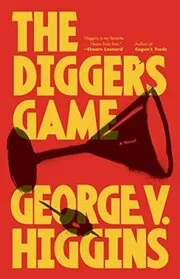
The Digger's Game
by George V Higgins
1973
Jerry Digger Doherty, an ex-con bartender with a weakness for gambling, comes back from Vegas deep in debt. A fresh criminal job looks like his way out, if it does not get him killed first.
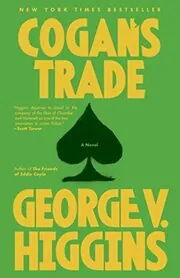
Cogan's Trade
by George V Higgins
1974
Mob enforcer Jackie Cogan is called in after a high-stakes card game is robbed. He follows the money through Boston's underworld until restoring order means doing exactly what his employers hired him to do.
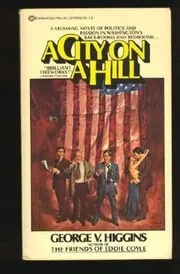
A City on a Hill
by George V Higgins
1976
Hank Cavanaugh, top aide to Massachusetts congressman Sam Barry, spends his days testing Barry's presidential chances in early Watergate-era Washington. It is a political novel about ambition, spin, and all the talk behind public life.
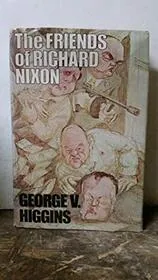
Friends of Richard Nixon, The
by George V Higgins
1976
A nonfiction account of the Watergate trials and the men around Richard Nixon. Higgins approaches the scandal with a lawyer's eye for testimony, pressure, and the ugly mechanics of political self-protection.
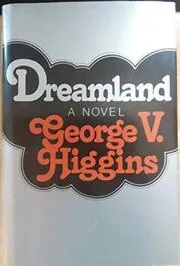
Dreamland
by George V Higgins
1978
A moody political novel shaped by the aftershocks of Watergate. Higgins follows damaged people through ambition, betrayal, and uneasy compromise, letting the pressure build through conversation more than action scenes.
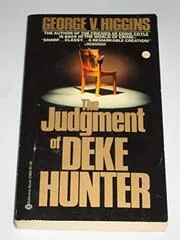
The Judgment of Deke Hunter
by George V Higgins
1978
Deke Hunter is a Massachusetts State Police plainclothesman who is not especially elegant, just stubborn, lucky, and persistent. Higgins builds a police novel around the messy, accidental way justice sometimes arrives anyway.
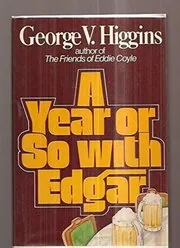
A Year or So with Edgar
by George V Higgins
1979
Edgar, a Boston political correspondent, talks his way through work, women, baseball, and Washington over a loose stretch of years. The plot matters less than the sharp, funny accumulation of voice, memory, and opinion.
Kennedy for the Defense
by George V Higgins
1981
Jerry Kennedy wants a quiet break with his family, but Boston's thieves, dealers, and desperate clients keep finding him. When a knife-carrying intruder crashes into his home life, work and private loyalties collide hard.
The Rat on Fire
by George V Higgins
1981
Slumlord lawyer Jerry Fein decides rats and unpaid rent are reason enough for arson. Once crooked cops, an obliging fire marshal, and hired burners enter the picture, his dirty little solution turns into a much bigger problem.
The Patriot Game
by George V Higgins
1982
Federal agent Pete Riordan hunts an arms runner supplying the I.R.A. With help and obstruction from Boston crooks, ex-cons, and barroom gossips, the case becomes a guessing game about leverage, silence, and divided loyalties.
Choice of Enemies
by George V Higgins
1983
Set in Massachusetts politics, this novel follows the effort to bring down Speaker Bernie Morgan, a master of patronage and abuse. Higgins treats corruption not as spectacle, but as ordinary business done in better suits.

Old Earl Died Pulling Traps
by George V Higgins
1984
A shorter Higgins work set far from the usual mob machinery. It traces small-town lives, old loyalties, and the slow way personal history keeps shaping the present long after people think the story is over.
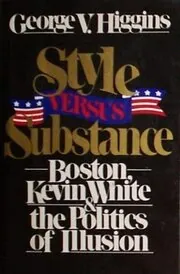
Style Versus Substance
by George V Higgins
1984
Higgins's nonfiction study of Boston mayor Kevin White and his relationship with the press. It is a close look at image-making, city politics, and how public power is managed, packaged, and sold.

Penance for Jerry Kennedy
by George V Higgins
1985
Boston defense lawyer Jerry Kennedy finds his supports vanishing at once, his accountant jailed, his marriage strained, the IRS looming. Forced into uneasy alliances, he has to fight to keep both his practice and his name intact.
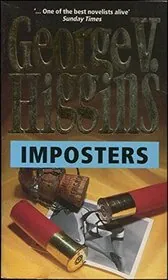
Impostors
by George V Higgins
1986
Boston media owner Mark Baldwin hires freelancer Connie Gates to get close to a murder trial and learn what dangerous testimony may surface. The scheme opens into a web of manipulation, desire, and old secrets that refuse to stay buried.

Outlaws
by George V Higgins
1987
Years after the 1960s, cop John Richards and lawyer Terry Gleason are still chasing radicals tied to robbery and murder. The case becomes a long, tense argument about terrorism, law, and what justice can actually deliver.
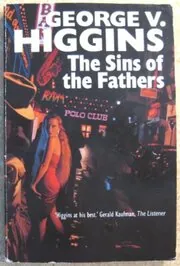
The Sins of the Fathers
by George V Higgins
1988
This story collection shows Higgins in shorter form, but with the same ear for pressure and self-justification. The pieces circle crime, family strain, class, and the compromises people inherit and repeat.
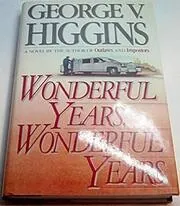
Wonderful Years, Wonderful Years
by George V Higgins
1988
A big Massachusetts contractor who hired ex-cons and knows an old political secret finds his past pushing back. Higgins turns the setup into a dark, talky novel about power, loyalty, and the slow collapse of carefully managed lives.
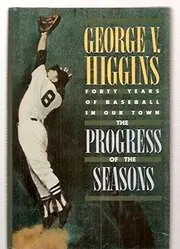
The Progress Of The Seasons
by George V Higgins
1989
A nonfiction look at baseball over forty years in one American town. Higgins writes about the game as memory, habit, community, and local life, not just as scores and statistics.
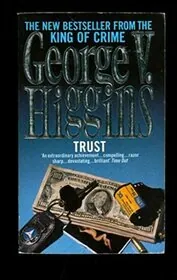
Trust
by George V Higgins
1989
Fresh out of jail and still chasing easy money, Earl Beale sells cars and schemes his way through one bad idea after another. Old business catches up with him in a cold, sharp novel about greed, blackmail, and self-delusion.
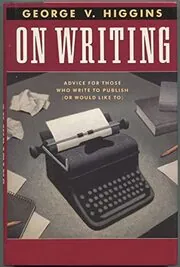
On Writing
by George V Higgins
1990
Higgins's practical guide to writing for publication is blunt, funny, and unsentimental. He talks about craft, reading, revision, and professional discipline in the same plain voice that gives his fiction so much bite.
Victories
by George V Higgins
1990
A onetime baseball hero gets talked into a seemingly doomed congressional race in New Hampshire. Higgins turns the campaign into a close look at ego, money, and the small compromises that sit behind every public victory.
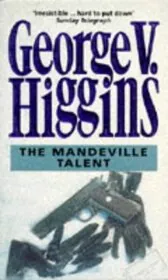
The Mandeville Talent
by George V Higgins
1991
Joe Corey, a disillusioned Manhattan lawyer, gets pulled into the decades-old shotgun murder of his wife's grandfather, a small-town bank president. Chasing the old case turns a family mystery into a dangerous search through buried local secrets.
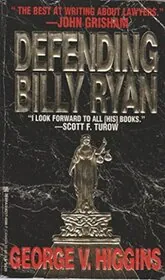
Defending Billy Ryan
by George V Higgins
1992
Jerry Kennedy, older and shakier than he once was, takes the bribery case of Massachusetts public works boss Billy Ryan. To break the prosecution's story, he has to squeeze every favor and contact he has left.
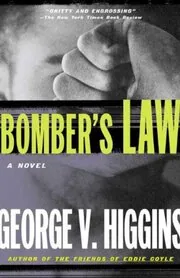
Bomber's Law
by George V Higgins
1993
Detective Harry Dell'Appa is pulled back to Boston to help hunt suspected mob killer Short Joey Mossi. As cops trade stories and grudges, every lead circles the same hard rule, people usually do it for the money.
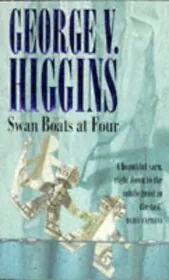
Swan Boats at Four
by George V Higgins
1995
Massachusetts banker David Carroll and his wife Frances board a transatlantic liner hoping a change of scene will steady a strained marriage. Instead, old infidelity and a too-talkative stranger turn the voyage into a slow, uneasy reckoning.
Sandra Nichols Found Dead
by George V Higgins
1996
When the body of long-missing Sandra Nichols turns up in a Massachusetts wetland, Jerry Kennedy is drawn into a wrongful death case. Higgins uses the lawsuit to uncover old lies, bruised loyalties, and the cost of delayed justice.
A Change of Gravity
by George V Higgins
1997
Court clerk Ambrose Merrion and politician Danny Hilliard rise together through Massachusetts machine politics. When scandal and a zealous federal prosecutor close in, old habits that once felt ordinary suddenly look like felonies.
The Agent
by George V Higgins
1999
A sharp, talky mystery set in the world of big-time sports agenting. After a powerful agent dies, the people around him sort through rivalries, deals, and grudges to figure out what really happened.
At End of Day
by George V Higgins
2000
Arthur McKeach and Nick Cistaro have ruled a big piece of Boston crime for decades, helped by a secret arrangement with the FBI. When that protection starts to crack, the novel exposes corruption on both sides of the law.

The Easiest Thing In the World
by George V Higgins
2004
A posthumous collection of unpublished fiction that lets readers see Higgins in shorter forms. The pieces range across crime, conversation, and character study, all driven by the sharp ear that powers his best novels.
Where to start with George V Higgins
If you want the classic Boston underworld books: The Friends of Eddie Coyle → The Digger's Game → Cogan's Trade
If you want a defense lawyer at the center: Kennedy for the Defense → Penance for Jerry Kennedy → Defending Billy Ryan → Sandra Nichols Found Dead
If you prefer politics and public corruption: A Choice of Enemies → Trust → Victories → A Change of Gravity
If you want Higgins outside crime fiction: On Writing → The Progress Of The Seasons → Friends of Richard Nixon, The
George V Higgins sub-series and character series
George V Higgins collections, short stories, and related book types
Short Stories/Novellas
Short Story Collections
Non-Fiction
Standalone George V Higgins books
Author bio
George V. Higgins was born in Brockton, Massachusetts, on November 13, 1939, and grew up in nearby Rockland. He was the only child of two teachers, and the mix of books, talk, and close observation seems to have stayed with him. New England, especially Boston and its orbit of bars, courtrooms, back rooms, and city streets, never stopped feeding his fiction.
At Boston College he studied English and edited the campus literary magazine, Stylus. He graduated in 1961, later earned an MA from Stanford in 1965, and then returned to Boston College for law school, finishing his JD in 1967. On paper, it looks like a neat academic path. In practice, it led him straight into jobs where language mattered and nobody spoke in polished sentences.
He spent a long time getting ready to become the writer readers know now.
Before fiction made his name, Higgins worked as a reporter for the Providence Journal and the Associated Press, and he later wrote for the Boston Globe, the Boston Herald American, and The Wall Street Journal. He also worked in anti-organized-crime posts for Massachusetts and as an assistant U.S. attorney in Boston, then spent years in private practice. Those jobs put him close to judges, defense lawyers, cops, hustlers, politicians, and the everyday talk that passes between people when money, fear, vanity, and self-protection are all in the room.
A former teacher from Boston College urged him to keep at the fiction. That mattered, because Higgins had been writing for years before anyone saw the finished version of him. By his own telling, The Friends of Eddie Coyle looked like an overnight success when it appeared in 1970, but it came after a long run of false starts and unpublished novels. He had already done the apprenticeship.
That first breakthrough book made his name. The Friends of Eddie Coyle follows a small-time Boston gunrunner cornered by prison, police pressure, and his own so-called friends, and it still feels startling because nothing in it is romanticized. The later books The Digger's Game and Cogan's Trade kept working that same rough ground, showing bartenders, bookies, enforcers, and low-level operators trying to stay half a step ahead of disaster. Readers who love Higgins usually talk first about the dialogue, but the real pull is the way every conversation feels like a transaction.
He wasn't only writing about gangsters.
Books like The Rat on Fire, Trust, and A Choice of Enemies widen the frame to crooked landlords, grifters, political operators, and people who can explain almost any bad act if you give them enough time. His Jerry Kennedy novels, beginning with Kennedy for the Defense and continuing through Penance for Jerry Kennedy, bring that same pressure into courtrooms and shabby law offices. Kennedy is a defense lawyer, smart, funny, worn down, and rarely sentimental. Higgins liked characters who knew the rules, bent them anyway, and then talked themselves through the reasons.
His nonfiction makes the pattern even clearer. The Friends of Richard Nixon came out of Watergate. The Progress Of The Seasons is about baseball. On Writing is a blunt, practical book about learning to write for publication, not just dreaming about it. Later in life he taught creative writing at Boston University and Boston College, which makes sense. Few writers cared more about how speech works on the page.
Higgins died of a heart attack at his home in Milton, Massachusetts, on November 6, 1999, a week before his sixtieth birthday. He left more than thirty books behind, and they still feel alive if you like crime fiction without glamour, politics without speeches, and dialogue that does most of the heavy lifting itself.









Edited by
Software engineer whose passion for tracking book recommendations from podcasts inspired the creation of MRB.
Lead investor at 3one4 Capital whose startup expertise and love for books helped shape MRB and its growth.
Comments
Did we miss something? Have feedback?
Help us improve this page by sharing your thoughts