
George O'Connor Books in Order
Explore George O'Connor books in order, with quick summaries, series guides, and where-to-start tips for Olympians, Asgardians, and his picture books.
Last updated:
As an Amazon Associate, we earn from qualifying purchases (at no extra cost to you).
George O'Connor books in publication order
22 books
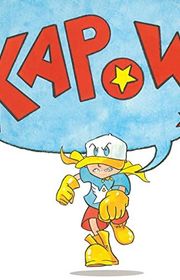
Kapow!
by George O'Connor
2004
A boy, a girl, and a little brother turn a house full of roughhousing into a superhero epic starring American Eagle, Bug Lady, and Rubber Bandit. Reality keeps interrupting, which is exactly what makes the fantasy so funny.
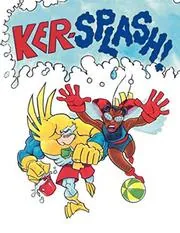
Ker-splash!
by George O'Connor
2005
At the beach, those same pint-size heroes face a bully and leap into action to save a crab. Sand, siblings, and comic-book make-believe turn a small problem into a full superhero showdown.
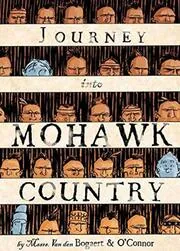
Journey into Mohawk Country
by George O'Connor
2006
Using the words of a real 1634 journal, O'Connor adapts a Dutch trader's winter trip through Mohawk and Oneida territory into graphic form. It is part travel narrative, part colonial history, and part study of what the original writer did not understand.
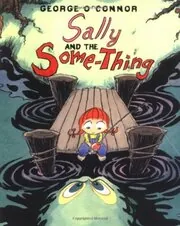
Sally and the Some-Thing
by George O'Connor
2006
Bored and stuck at home with a new baby around, Sally bikes to the swamp looking for something interesting and finds it. Her slimy new friend turns an ordinary day into a weird, muddy little adventure.
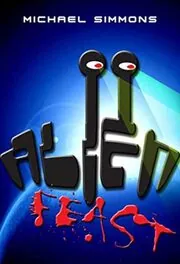
Alien Feast
by George O'Connor
2008
When aliens invade Willoughby and kid violinist William learns Sophie's parents have been taken, he teams up with Sophie and Uncle Maynard to fight back. It is a goofy, gross, fast-moving sci-fi adventure with ray guns and high stakes.
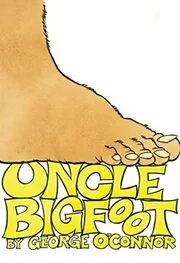
Uncle Bigfoot
by George O'Connor
2008
When giant, hairy Uncle Bernie comes to visit, one anxious boy starts to wonder if Bigfoot might actually be family. It's a funny, warm picture book about odd relatives and learning that different does not mean scary.
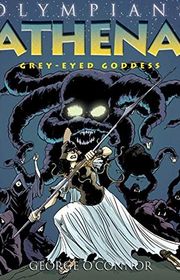
Athena
by George O'Connor
2010
Athena steps out of Zeus's shadow in a book that follows her birth, her brains, and her battles. Through a string of myths, O'Connor shows why the goddess of wisdom and war is as formidable as any hero.
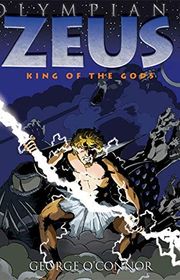
Zeus
by George O'Connor
2010
The Olympians saga opens with Zeus as the overlooked child who survives Kronos and grows into the challenger who will topple the Titans. O'Connor turns the foundation myth of the Greek gods into a clear, fast-moving origin story.
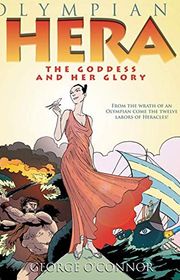
Hera
by George O'Connor
2011
This volume puts Hera at the center and looks past her usual jealous-wife stereotype. Through the heroes who seek her favor, especially Heracles, O'Connor shows her pride, power, and the complicated place she holds on Olympus.
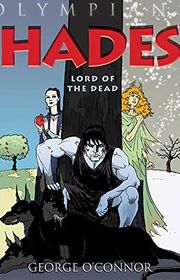
Hades
by George O'Connor
2012
Hades retells the story of Persephone and Demeter from the underworld's side of things. It is part romance, part family conflict, and part seasonal myth, with Persephone given more agency than readers may expect.
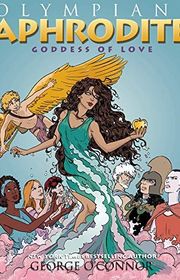
Aphrodite
by George O'Connor
2013
From her birth out of sea foam to her role in the Trojan War, Aphrodite proves that love can be as disruptive as any sword. O'Connor makes her beauty, pride, and power feel equally dangerous.
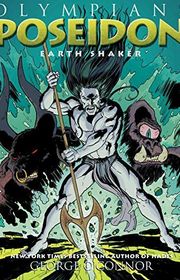
Poseidon
by George O'Connor
2013
Poseidon gathers sea-soaked myths around the restless god of earthquakes and oceans. Theseus, Odysseus, monsters, and the founding of Athens all help show why Poseidon is feared, worshipped, and often misunderstood.
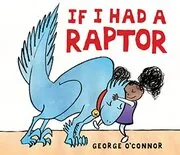
If I Had a Raptor
by George O'Connor
2014
A little girl imagines how perfect a pet raptor would be, until the cuddly dinosaur grows claws, teeth, and very early morning habits. The joke is the gap between her cheerful narration and the chaos in the pictures.
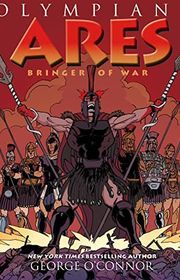
Ares
by George O'Connor
2015
Set during the tenth year of the Trojan War, this volume pits Ares against Athena and shows how divine rivalry leaves human bodies in the dust. It is one of the series' most openly brutal books, and one of the sharpest.
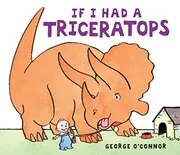
If I Had a Triceratops
by George O'Connor
2015
A boy pictures life with a triceratops that behaves a lot like a huge, enthusiastic dog. Walks, baths, tricks, and epic messes make the dream funny, but the book never forgets how lovable his prehistoric pet would be.
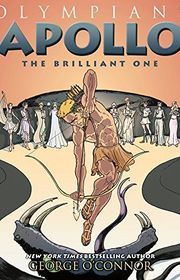
Apollo
by George O'Connor
2016
Told through the voices of the Muses, Apollo follows the brilliant sun god through triumph, pride, doomed love, and deadly competition. His gifts are enormous, but so are the flaws that keep wrecking his life.
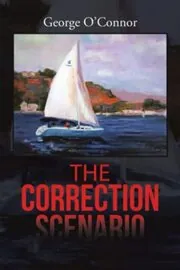
The Correction Scenario
by George O'Connor
2016
A former CIA operative helps bring down the U.S. government, and one analyst is pulled into the dangerous work of building something new from the wreckage. This political thriller mixes conspiracy, reform, and a fight to stay alive.
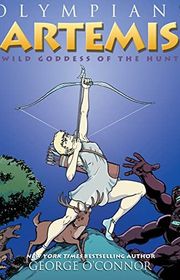
Artemis
by George O'Connor
2017
Artemis follows the huntress goddess through stories of solitude, protection, and swift punishment. O'Connor presents her as fierce and self-possessed, a guardian of the vulnerable who is also the last Olympian anyone should cross.
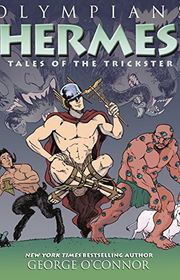
Hermes
by George O'Connor
2018
Hermes starts with a baby who steals cattle and only gets more troublemaking from there. Fast, funny, and clever, the book tracks the trickster god as he bends rules, charms everyone, and spreads chaos wherever he goes.
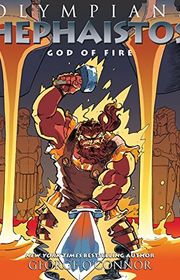
Hephaistos
by George O'Connor
2019
Thrown from Olympus as an infant, Hephaistos grows into the gods' greatest smith while carrying deep anger over how he has been treated. This volume turns craft, rejection, and revenge into one of the series' most personal stories.
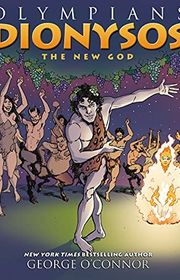
Dionysos
by George O'Connor
2022
Told by Hestia, the final Olympians book follows Dionysos from mortal-born outsider to god of wine, madness, and rebirth. It closes the series with a strange, lively story about transformation, grief, and finding a place on Olympus.
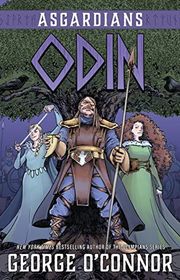
Odin
by George O'Connor
2024
O'Connor opens his Norse saga with Odin, the one-eyed ruler of Asgard, whose hunger for wisdom drives him across the Nine Worlds. Battles, bargains, and sacrifice shape a god who learns that knowledge always has a cost.
Where to start with George O'Connor
If you want the main Greek mythology saga: Zeus → Athena → Hera → Hades
If you want to try his Norse mythology books: Odin
If you want funny dinosaur picture books: If I Had a Raptor → If I Had a Triceratops
If you want superhero play and big imagination: Kapow! → Ker-splash!
If you want graphic history: Journey into Mohawk Country
George O'Connor sub-series and character series
Asgardian Graphic Novels books in order
Explore this seriesAsgardian Graphic Novels books in chronological order
Olympians Graphic Novels books in order
Explore this seriesOlympians Graphic Novels books in chronological order
Standalone George O'Connor books
Author bio
George O'Connor was born in New York in 1973 and grew up on Long Island, in Nesconset. He was the kind of kid who drew monsters in the margins and treated comics like a normal part of daily life. Greek mythology got to him early, when school lessons on the gods lined up perfectly with the stories he already liked to draw.
He was a comics kid early.
That mix of pictures and story never left. After high school, he studied illustration at Pratt Institute in Brooklyn, then spent years finding his way into publishing a little at a time. He also worked at Books of Wonder in Manhattan, which gave him a close look at how children's books are made, sold, and loved.
As a reader, he pulled from a wide range of influences. He has talked about loving D'Aulaires' Book of Greek Myths when he was young, and about how Walt Simonson's Thor made a big impression on him. That combination, mythology on one side, comics on the other, helps explain why his books feel both old and current at the same time.
His first breakout picture book, Kapow!, turned an ordinary day of kids playing into a full superhero event. Readers who like that book often end up liking Ker-splash! too, because both books understand how seriously children take pretend play. The jokes land in the words, the pictures, and the gap between what the kids think is happening and what is really happening.
Then he moved into longer work. Journey into Mohawk Country, his first graphic novel, adapts the journal of a 17th century Dutch traveler and shows how comfortable he is mixing research with visual storytelling. Books like Sally and the Some-Thing, If I Had a Raptor, and If I Had a Triceratops kept his lighter side in view, but even those playful picture books are carefully built and full of strong comic timing.
Then came Olympians, the series that made many readers seek him out in the first place. Across twelve volumes, beginning with Zeus and continuing through books like Athena, Hades, and Dionysos, O'Connor retold Greek myth as a connected graphic novel saga. The appeal is easy to see, the stories are clear, fast, funny in the right places, and never talk down to the reader, even when the material gets strange or dark.
He likes mythology, but he doesn't treat it like glass.
That same approach carries into Asgardians, his return to myth through the Norse gods. Across his work, a few things keep showing up again and again: big personalities, clean action, old stories viewed from a fresh angle, and a real interest in what powerful characters are like when they are acting as family, rivals, or both. He has said more than once that the gods felt like the original superheroes to him, and his books make a strong case for that idea.
These days O'Connor lives in Brooklyn. By his own account, he shares the place with five terrible cats. It is a fitting detail for a writer and artist whose books are full of monsters, gods, strange creatures, and a lot of affectionate chaos.








Edited by
Software engineer whose passion for tracking book recommendations from podcasts inspired the creation of MRB.
Lead investor at 3one4 Capital whose startup expertise and love for books helped shape MRB and its growth.
Comments
Did we miss something? Have feedback?
Help us improve this page by sharing your thoughts