
George MacDonald Fraser Books in Order
Find George MacDonald Fraser's books in order, with Flashman and other series, concise summaries, series background, and simple guidance on where to start.
Last updated:
As an Amazon Associate, we earn from qualifying purchases (at no extra cost to you).
George MacDonald Fraser books in publication order
26 books
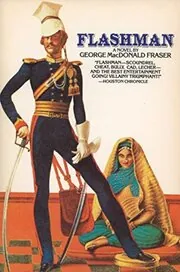
Flashman
by George MacDonald Fraser
1969
The first of the Flashman Papers finds the disgraced Rugby bully buying a cavalry commission, seducing the wrong woman and being shipped to India. Posted to Afghanistan, he endures occupation, betrayal and the disastrous retreat from Kabul, emerging with a hero's reputation he knows he does not deserve.
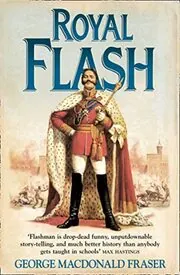
Royal Flash
by George MacDonald Fraser
1970
Inspired by the intrigues of 1848, this adventure sees Flashman blackmailed by Bismarck and entangled with Lola Montez. Forced to impersonate a German prince in the duchy of Strackenz, he must survive revolution, a perilous marriage and the kind of duel he always dreads.

The General Danced at Dawn
by George MacDonald Fraser
1970
A collection of linked stories narrated by Lieutenant Dand MacNeill, The General Danced at Dawn follows a Highland battalion in the late 1940s. Between desert postings, ceremonial duties and eccentric officers, MacNeill wrestles with army tradition and the chaos embodied by Private McAuslan.
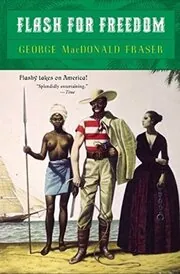
Flash for Freedom!
by George MacDonald Fraser
1971
A rigged card game and a furious father in law land Flashman on a slave ship bound for West Africa. From Dahomey to Mississippi plantations and the Underground Railroad, he poses under false names, meets a young Abraham Lincoln and does everything possible not to be heroic.
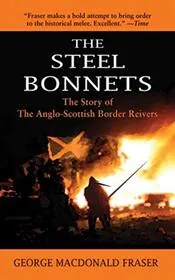
The Steel Bonnets
by George MacDonald Fraser
1972
The Steel Bonnets is Fraser's history of the Anglo Scottish Border reivers, the riding families who raided and feuded along the frontier. Drawing on records and ballads, he explains how they lived, fought and were finally tamed when the crowns of England and Scotland united.
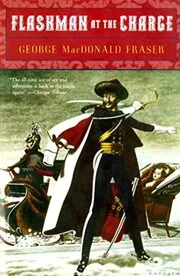
Flashman at the Charge
by George MacDonald Fraser
1973
Trying to dodge a posting to Crimea, Flashman is instead given charge of a royal cousin and rides straight into the Charge of the Light Brigade. Captured in Russia, he stumbles onto a scheme to invade India and is dragged across Central Asia to stop it.

McAuslan in the Rough
by George MacDonald Fraser
1974
This second McAuslan collection finds the battalion still stumbling through peacetime soldiering. Golf matches, quiz competitions, smallpox scares and romantic tangles all go awry once McAuslan and his fellow Jocks are involved, giving a comic but affectionate portrait of regimental life.
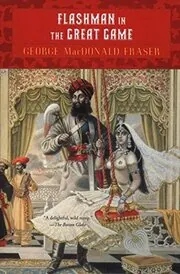
Flashman in the Great Game
by George MacDonald Fraser
1975
Ordered to investigate rumours of mutiny in India, Flashman finds himself disguised among native cavalry as the 1857 uprising explodes. From Meerut to Cawnpore and Lucknow he witnesses massacres, sieges and desperate marches, earning medals for acts of courage he never meant to perform.
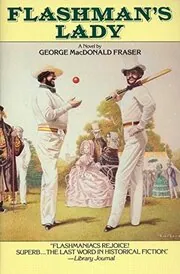
Flashman's Lady
by George MacDonald Fraser
1977
Flashman's talent for cricket pulls him into London society, then a rich merchant's obsession with Elspeth leads to kidnapping, piracy and slavery. Chasing his wife to Borneo and Madagascar, he falls into the hands of Queen Ranavalona and must scheme his way off the island.
The World Of The Public School
by George MacDonald Fraser
1977
This illustrated study looks at the traditions, games and inner life of British public schools, the fee paying boarding schools that shaped so many imperial figures. Fraser traces their history and myths with an insider's eye for odd customs, slang and class assumptions.
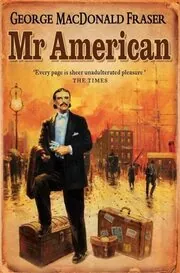
Mr. American
by George MacDonald Fraser
1980
In 1909, Nevada silver millionaire Mark Franklin arrives in rural Norfolk hoping for peace and roots. Drawn into Edward VII's circle, village feuds and a risky marriage to a young aristocrat, he must face both his violent past and the limits of belonging in Edwardian England.
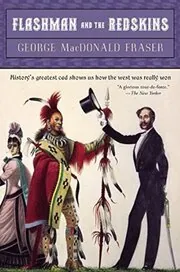
Flashman and the Redskins
by George MacDonald Fraser
1982
Fleeing New Orleans with a brothel owner and her girls, Flashman heads west on the overland trail and crosses paths with scalp hunters and Apaches. Decades later he is dragged back into the world of the Plains tribes and the road to Little Bighorn.
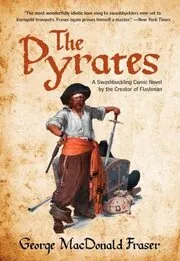
The Pyrates
by George MacDonald Fraser
1983
The Pyrates is a gleeful parody of every swashbuckling yarn Fraser ever loved. A square jawed naval hero, flamboyant pirate captains and imperilled heroines career through shipwrecks, duels and treasure hunts, with deliberate anachronisms and jokes on almost every page.
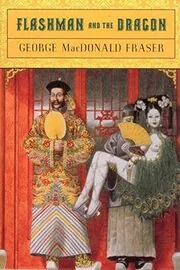
Flashman and the Dragon
by George MacDonald Fraser
1985
From Hong Kong into the heart of civil war China, Flashman agrees to escort what he thinks is opium and finds himself running guns for the Taiping rebels. Drawn between rebel leaders, British diplomats and a dangerous imperial concubine, he survives the Second Opium War.
The Hollywood History of the World
by George MacDonald Fraser
1988
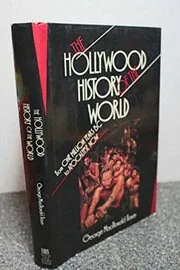
This non fiction book tours century after century of historical films, asking what the movies get right as well as wrong. Fraser compares famous screen epics with the record, using battles, costumes and small details to show how cinema has shaped our picture of the past.

The Sheik and the Dustbin
by George MacDonald Fraser
1988
The final volume of McAuslan stories follows Dand MacNeill and his comrades through home leave, odd postings and the run up to demobilisation. The tone shifts between farce and reflection as soldiers who have known nothing but the army face the approach of civilian life.
Flashman and the Mountain of Light
by George MacDonald Fraser
1990
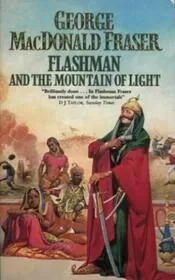
Sent to the Punjab as tension rises with the Sikh kingdom, Flashman is ordered to spy on the Lahore court and the feared Khalsa army. Intrigue, open war and the fate of the Koh i Noor diamond leave him juggling loyalties to survive.
Quartered Safe Out Here
by George MacDonald Fraser
1992
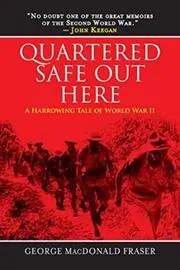
In this memoir Fraser recalls his time as a nineteen year old private in the Border Regiment during the Burma campaign of 1944 to 1945. He focuses on a single infantry section, capturing the language, humour and sudden horror of jungle fighting without romanticising it.
The Candlemass Road
by George MacDonald Fraser
1993
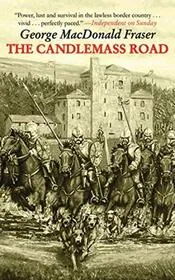
Short and dark in tone, The Candlemass Road follows a Border valley on the Anglo Scottish frontier as raiders strike and neighbours take sides. Through one household's ordeal it shows how duty, revenge and fear can pull a fragile community apart.
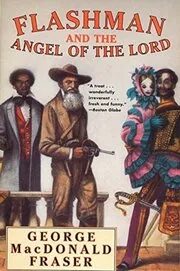
Flashman and the Angel of the Lord
by George MacDonald Fraser
1994
Flashman is kidnapped and shipped to America, where abolitionists, pro-slavery plotters and politicians all try to use him in John Brown's raid on Harpers Ferry. He only wants to escape the gallows, but ends up an unwilling witness to history.
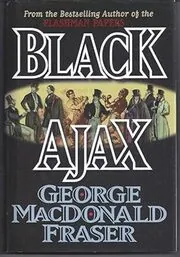
Black Ajax
by George MacDonald Fraser
1997
Black Ajax retells the rise and fall of real life boxer Tom Molineaux in Regency England. Through trainers, patrons, spectators and the father of Harry Flashman, Fraser shows the brutal allure of bare knuckle prizefighting and the colour line that shadows Molineaux's career.
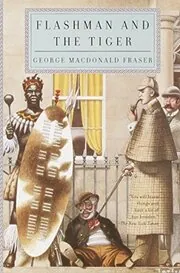
Flashman and the Tiger
by George MacDonald Fraser
1999
Three later episodes from Flashman's career show him meddling in high politics and scandal. He rides the first Orient Express into a plot against Emperor Franz Josef, witnesses the royal baccarat affair, and much later crosses paths with Tiger Moran, the Zulu War and Sherlock Holmes.
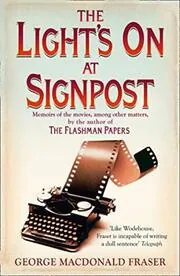
The Light’s On At Signpost
by George MacDonald Fraser
2002
In this memoir and essay collection, Fraser looks back on his years as a soldier, journalist, novelist and screenwriter. He writes about working in Hollywood, arguing with modern Britain and the small incidents that shaped his views, in the same plain, anecdotal voice as his fiction.
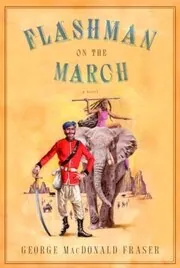
Flashman on the March
by George MacDonald Fraser
2005
On the run after a Mexican escapade, Flashman is recruited to help Britain's 1868 expedition to Abyssinia. Between carrying silver to the army, courting rival queens and falling into Emperor Theodore's hands, he once again survives a brutal campaign by sheer luck.
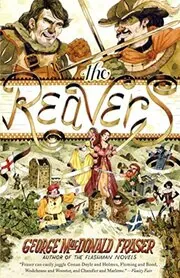
The Reavers
by George MacDonald Fraser
2007
Set on the Anglo Scottish Borders in Elizabethan times, this is a broad, tongue in cheek romp of raids, kidnappings and shifting loyalties. Fraser gleefully piles on larger than life reivers, scheming courtiers and improbable rescues in a send up of romantic historical adventure.
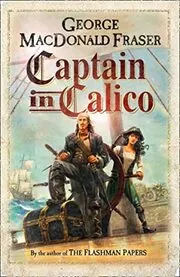
Captain in Calico
by George MacDonald Fraser
2015
Written early in Fraser's career but published long after his death, this swashbuckling novel follows pirate captain John Rackham in the Caribbean. As he weighs a royal pardon against one more bold venture, he tangles with fellow outlaws and a wily colonial governor.
Where to start with George MacDonald Fraser
If you want to dive into Flashman: Flashman → Royal Flash → Flash for Freedom!
If you prefer real-life wartime history: Quartered Safe Out Here
If you like comic swashbucklers: The Pyrates → Captain in Calico → The Reavers
If you enjoy character-driven military stories: The General Danced at Dawn → McAuslan in the Rough → The Sheik and the Dustbin
If you want a thoughtful standalone novel: Mr. American → Black Ajax
George MacDonald Fraser sub-series and character series
George MacDonald Fraser collections, short stories, and related book types
Non-Fiction
Standalone George MacDonald Fraser books
Author bio
George MacDonald Fraser was born on 2 April 1925 in Carlisle, in the north of England, to Scottish parents, and he grew up between those two identities. Readers know him best for the swaggering Flashman novels, but his career also took in war memoir, journalism and screenwriting.
His father was a doctor, his mother a nurse, and the house was full of books. Fraser later recalled devouring history, adventure stories and Scottish lore even when he was meant to be revising. He went first to Carlisle Grammar School, then to Glasgow Academy, where he admitted he was clever but lazy.
The Second World War pulled him out of the classroom and into the army.
In 1943 he enlisted in the Border Regiment and was posted to the Burma campaign with the so called Forgotten 14th Army, an experience he would later recount in detail in his memoir Quartered Safe Out Here. After officer training he was commissioned into the Gordon Highlanders and served in the Middle East and North Africa immediately after the war, learning the textures of barrack life that he would use for the McAuslan stories.
Demobilised in 1947, Fraser returned to Carlisle and learned the craft of journalism as a trainee reporter on the local paper. He married fellow journalist Kathleen Hetherington, and the two of them worked on newspapers in Canada before settling in Scotland. From the early 1950s he was at the the Glasgow Herald, rising to deputy editor and briefly acting editor, filing copy by day and increasingly turning to fiction at night.
The turning point came when he decided to rescue Harry Flashman, the bullying villain from Tom Brown's Schooldays, from the sidelines of Victorian fiction. Fraser imagined Flashman as an old man writing his own candid memoirs, a decorated soldier who knows he is really a coward and a scoundrel. The first volume, Flashman, appeared in 1969 and introduced readers to a narrator who lies to everyone except the reader and has a ringside seat at the disasters of the 19th century.
Underneath the jokes he wrote like someone who had stood in a rifle section himself, with a sharp ear for how soldiers actually talk, grumble and cope.
Across a dozen Flashman books he sent his anti hero through the First Anglo Afghan War, the Charge of the Light Brigade, the Indian Mutiny, the American slave states, the Taiping Rebellion, the Sikh wars, African campaigns and more. Readers respond to the mix of farce and fear, the footnoted historical detail and the way Flashman's selfish commentary undercuts heroic myths about empire while still delivering vivid battles, politics and love affairs.
Fraser's other work deepens that picture of history and soldiering. The McAuslan collections, beginning with The General Danced at Dawn, follow a Highland battalion and its hopeless private through postwar North Africa and Scotland, with more warmth and less scandal than Flashman. Novels such as Mr American, The Pyrates, Black Ajax, The Candlemass Road and The Reavers range from the American West and Edwardian England to pirates and Border reivers. In non fiction he tackled the history of the Anglo Scottish raiders in The Steel Bonnets, explored war memories in Quartered Safe Out Here, wrote about film and the past in The Hollywood History of the World and mixed personal essays with grumpy affection for modern Britain in The Light's On at Signpost.
From the 1970s he also worked steadily as a screenwriter, scripting lively versions of The Three Musketeers and its sequels, adapting Royal Flash for the cinema and contributing to the James Bond film Octopussy. The same taste for pace, character and historical colour runs through those films and his books, even when he is arguing fiercely with modern fashions.
Fraser eventually left newspapers to write full time and settled on the Isle of Man, valuing its quieter life and old fashioned manners. He and Kathleen raised three children there, and he followed Scottish football with the same loyalty he gave his regiment. In 1999 he was appointed an Officer of the Order of the British Empire for services to literature. He died on the Isle of Man on 2 January 2008, but new readers keep discovering Flashman, McAuslan and the rest, often through personal recommendation rather than any official reading list.




Edited by
Software engineer whose passion for tracking book recommendations from podcasts inspired the creation of MRB.
Lead investor at 3one4 Capital whose startup expertise and love for books helped shape MRB and its growth.
Comments
Did we miss something? Have feedback?
Help us improve this page by sharing your thoughts