
George Bernard Shaw Books in Order
Explore George Bernard Shaw's books in order, with short summaries and publication details to help you find the series and choose where to start reading.
Last updated: 63 new books added
As an Amazon Associate, we earn from qualifying purchases (at no extra cost to you).
George Bernard Shaw books in publication order
63 books
My Dear Dorothea
by George Bernard Shaw
1878
Written as a letter to a young girl, Shaw's early work sets out a proposed system of moral education for females. The short book presents his advice in the form of a personal address to Dorothea.
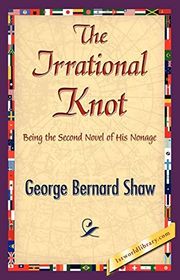
The Irrational Knot
by George Bernard Shaw
1880
Marian Lind's relationship with engineer Conolly brings love into conflict with class expectations and family pressure. Around their engagement, Shaw examines money, respectability, and the social power shaping marriage in a world of technological and cultural change.
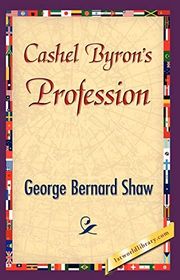
Cashel Byron's Profession
by George Bernard Shaw
1882
Prizefighter Cashel Byron falls for the cultivated Lydia Carew after returning to England from Australia. Their contrasting backgrounds complicate his courtship, especially as he tries to keep the illegal profession that made him famous a secret.
An Unsocial Socialist
by George Bernard Shaw
1887
Wealthy socialist Sidney Trefusis abandons his wife and privileged position to work as a gardener near a girls' school. There he encounters Agatha Wylie, whose independence challenges the convictions he uses to attack class and sexual exploitation.
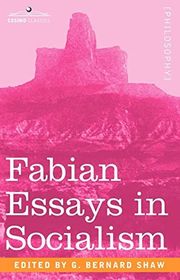
Fabian Essays in Socialism
by George Bernard Shaw
1889
Edited by Shaw, these essays set out the principles and practical ambitions of Fabian socialism. Contributors examine property, industry, workers’ rights and political reform, asking how an unequal society might move toward broader economic security and democratic control.
Arms and the Man
by George Bernard Shaw
1894
Raina's romantic beliefs about soldiers and heroism are challenged when a practical Swiss mercenary takes refuge in her bedroom. His arrival unsettles her understanding of love and class, while her maid pursues ambitions of her own.
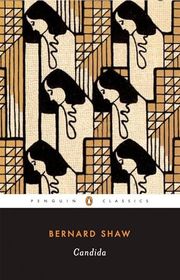
Candida
by George Bernard Shaw
1894
Reverend Morell welcomes the impoverished young poet Eugene Marchbanks into his home. Marchbanks's fascination with Morell's wife, Candida, creates a romantic triangle that tests the preacher's confidence and questions the assumptions underlying their marriage.
The Man of Destiny
by George Bernard Shaw
1896
At an Italian inn, young Napoleon confronts a woman who has intercepted important dispatches. Their contest over the stolen papers becomes a battle of wit, revealing the tangled relationship between public ambition and private affairs.
The Devil's Disciple
by George Bernard Shaw
1897
During the American War of Independence, a freethinking man clashes with the moral expectations of Puritan New England. Shaw uses the conventions of melodrama to question the relationship between professed religious virtue and human conduct.
Caesar and Cleopatra
by George Bernard Shaw
1898
An aging Julius Caesar encounters a young Cleopatra whose childishness conceals a capacity for cruelty. Their meeting in Egypt becomes a comic examination of political power, heroism, and the distance between celebrated rulers and the people behind them.
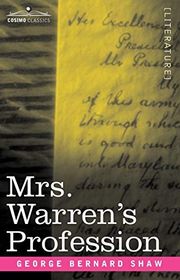
Mrs. Warren's Profession
by George Bernard Shaw
1898
Kitty Warren has built financial independence through prostitution in a society offering working women few tolerable alternatives. Shaw places her choices against Victorian poverty and respectability, questioning the economic system behind conventional judgments of morality.
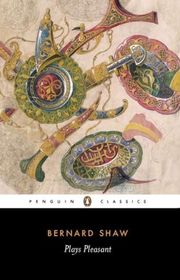
Plays Pleasant
by George Bernard Shaw
1898
Four comedies challenge romantic ideals about love, war, family and heroism. Soldiers, poets, Napoleon and an unexpectedly reunited family expose the distance between appearances and reality in Arms and the Man, Candida, The Man of Destiny and You Never Can Tell.
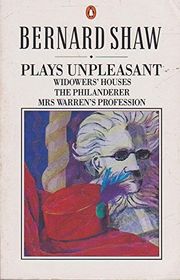
Plays Unpleasant
by George Bernard Shaw
1898
Three plays expose the uncomfortable economic and moral arrangements beneath respectable society. Slum wealth, tangled courtship and a daughter’s discovery of her mother’s livelihood challenge assumptions about idealism, marriage and the choices available to women.
The Perfect Wagnerite
by George Bernard Shaw
1898
Shaw interprets Wagner’s Ring cycle through its mythological figures and political ideas. His commentary connects the operas’ conflicts to capitalism and social transformation, inviting readers to consider meanings beyond the music and spectacle of the stage.
You Never Can Tell
by George Bernard Shaw
1898
A well-meaning young dentist finds himself swept into the affairs of an unpredictable family. Shaw's comedy follows the complications that arise when his limited means and good intentions meet their bewildering behavior and personal demands.
Captain Brassbound's Conversion
by George Bernard Shaw
1900
An expedition in Morocco faces disaster, and a resourceful lady explorer intervenes by carefully manipulating the truth. Shaw turns an adventure story into a comedy that questions whether strict justice always produces the fairest outcome.
Love Among the Artists
by George Bernard Shaw
1900
Unconventional composer Owen Jack and his bohemian companions move among more respectable members of society. Their relationships expose the conflict between artistic commitment and the claims of love, as Shaw questions the moral conventions surrounding them.
Man and Superman
by George Bernard Shaw
1903
John Tanner believes marriage would obstruct his intellectual and political ambitions. When his ward Ann Whitefield sets her sights on him, he flees to Spain, beginning a pursuit that turns romance into a debate about human nature.
John Bull's Other Island
by George Bernard Shaw
1904
An Irish expatriate and his English business partner visit rural Ireland with plans for a resort. The Englishman's romantic enthusiasm charms the community, while his partner's skepticism exposes competing visions of Irish identity, politics, and progress.
The Doctor's Dilemma
by George Bernard Shaw
1906
Shaw satirizes a medical profession caught between caring for patients and protecting its own interests. Questions about money, authority and treatment turn the doctor’s role into a moral problem, exposing tensions beneath professional confidence and respectability.
How He Lied To Her Husband
by George Bernard Shaw
1907
A husband, his wife, and her lover become the subjects of Shaw's comic examination of romantic conduct. Their triangle provides a brief farce about the expectations surrounding marriage, desire, and the stories people tell one another.
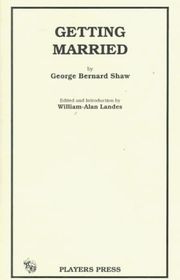
Getting Married
by George Bernard Shaw
1908
A bride, groom, and their families gather before a wedding and begin questioning marriage and divorce laws. Their attempt to design a satisfactory marriage contract turns into a comic argument about what husbands and wives owe each other.
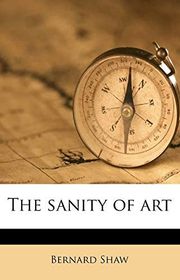
The Sanity of Art
by George Bernard Shaw
1908
Shaw challenges Max Nordau’s claims that modern art reveals cultural degeneration and mental illness. His essay disputes the treatment of artistic innovation as pathology, examining the assumptions behind attacks on artists and their work.
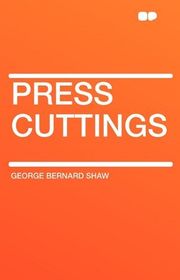
Press Cuttings
by George Bernard Shaw
1909
As suffragette protests throw the government into confusion, political and military leaders struggle to defend their authority. Set around the War Office, Shaw's farce turns newspaper arguments about women's rights into a satire of official panic and prejudice.
The Shewing-Up of Blanco Posnet
by George Bernard Shaw
1909
In the American West, a horse thief determined to preserve his defiant character faces an unexpected conversion. Shaw uses a single-act melodrama to examine the tension between stubborn self-image, moral change, and the workings of belief.
The Dark Lady of the Sonnets
by George Bernard Shaw
1910
Shakespeare arrives at the palace to meet the woman celebrated in his love sonnets, but encounters Queen Elizabeth instead. Their absorbing conversation provokes jealousy when the expected visitor appears, turning a private rendezvous into a comic misunderstanding.
Androcles and the Lion
by George Bernard Shaw
1912
Androcles, a Christian slave, faces punishment in the Roman Colosseum. His earlier kindness to a lion becomes central to his fate, while Shaw uses the surrounding characters to explore the collision between Christian teachings and Roman values.
Fanny's First Play
by George Bernard Shaw
1912
A play within a play gives Shaw an opportunity to expose the habits of theater critics. Its domestic farce examines marriage, women's rights, relations between parents and children, and the comfortable assumptions of middle-class morality.
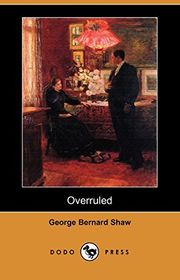
Overruled
by George Bernard Shaw
1912
A man and woman finish a voyage attracted to each other, then discover that both are married. When their spouses arrive with an attraction of their own, the four must reconsider the boundaries of love and marriage.
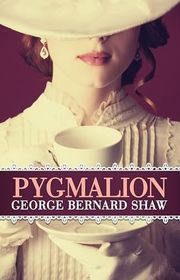
Pygmalion
by George Bernard Shaw
1912
Phonetics expert Henry Higgins believes he can transform flower seller Eliza Doolittle into a convincing duchess by changing her speech. As Eliza learns to navigate polite society, she insists on an independence that challenges his view of her.
The Philanderer
by George Bernard Shaw
1913
Romantic conduct, medical fashions, and changing expectations of women collide in Shaw's social comedy. Against the intellectual atmosphere of an Ibsen club, the play challenges Victorian marriage conventions and the restrictive laws surrounding divorce.
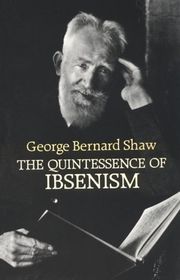
The Quintessence of Ibsenism
by George Bernard Shaw
1913
George Bernard Shaw examines Henrik Ibsen’s dramatic methods and the ideas behind his plays. Commentary on works including Brand, Peer Gynt, Ghosts, and Hedda Gabler considers how Ibsen’s theater challenges familiar assumptions about society and human behavior.
Common Sense About the War
by George Bernard Shaw
1914
Writing during the opening months of World War I, Shaw challenges patriotic explanations for the conflict. He examines shared responsibility, militarism, and political failure, arguing that the war emerged from a system that needed fundamental change.
Misalliance
by George Bernard Shaw
1914
A wealthy manufacturer's family gathering is disrupted by an airplane carrying a pilot and a Polish acrobat, then by an armed visitor. Attraction and ambition unsettle existing attachments as the household confronts unexpected romantic possibilities.
O'Flaherty, V.C.
by George Bernard Shaw
1915
Decorated soldier O'Flaherty returns to Ireland to help recruit for the British army. His mother does not know he serves the Crown, while his sweetheart's hopes for a war pension complicate the hero's welcome.
Augustus Does His Bit
by George Bernard Shaw
1917
This short wartime farce satirizes a pompous military official of the old guard. Against the background of the First World War, Shaw makes patriotic self-importance and political authority the subjects of an encounter shaped by deception.
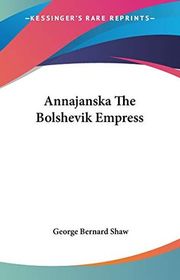
Annajanska the Bolshevik Empress
by George Bernard Shaw
1918
A royalist general confronts Grand Duchess Annajanska after a revolution overturns the old order. Her apparent escape and elopement lead to an argument about monarchy, freedom, and the direction of the revolution she has chosen to support.
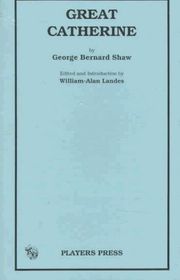
Great Catherine
by George Bernard Shaw
1919
A reserved English officer encounters Catherine the Great and the exuberant personalities surrounding her. The clash between his manner and the empress's commanding court becomes the basis of Shaw's comic treatment of power and personality.
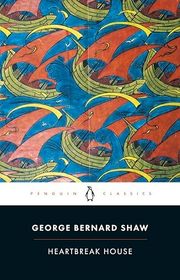
Heartbreak House
by George Bernard Shaw
1919
At Captain Shotover's country house, Ellie Dunn's intention to marry for money provokes objections and debate. As guests argue over love, morality, and practical necessity, Shaw exposes a comfortable society drifting toward a devastating awakening.
Peace Conference Hints
by George Bernard Shaw
1919
Writing as the First World War ends, George Bernard Shaw addresses the settlement being shaped at the Paris Peace Conference. His pamphlet considers Europe’s political reconstruction and argues against punitive policies and diplomatic choices likely to undermine lasting peace.
Back to Methuselah
by George Bernard Shaw
1921
Five connected plays move from Adam and Eve's garden into the distant future, ending in the year 31,920. Across this vast span, Shaw uses speculative drama to consider human development, longevity, and the possibilities of creative evolution.
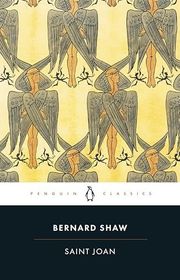
Saint Joan
by George Bernard Shaw
1923
Shaw presents Joan of Arc as brave, proud, and fallible, challenging idealized versions of her story. Her historical struggle becomes a drama about political authority, religious conviction, and a woman whose independence unsettles the world around her.
The Crime of Imprisonment
by George Bernard Shaw
1925
George Bernard Shaw challenges the moral and practical foundations of imprisonment, questioning punishment presented as reform. He examines the damaging effects of incarceration and argues that a system organized around retribution can perpetuate the criminality it claims to prevent.
The Fascinating Foundling
by George Bernard Shaw
1926
Foundling Horace Brabazon visits the Lord Chancellor, demanding the state provide him with work and a suitable wife. The arrival of another outspoken foundling turns his petition into a comic collision of marriage expectations and public responsibility.
The Music Cure
by George Bernard Shaw
1926
An exhausted government minister meets a forceful woman pianist in a hotel drawing room. Their encounter develops between passages of Chopin, turning a proposed musical remedy into a contest of personalities and an unexpected relationship.
The Intelligent Woman's Guide to Socialism, Capitalism, Sovietism and Fascism
by George Bernard Shaw
1928
Shaw argues that economic inequality distorts family life, relationships and political institutions. Drawing on decades of socialist activism, he examines competing social systems and challenges the belief that isolated reforms can correct injustices rooted in the wider economic order.
The Apple Cart
by George Bernard Shaw
1929
King Magnus faces a prime minister determined to reduce the monarchy's influence. Refusing to become powerless, he threatens to enter electoral politics himself, turning a constitutional confrontation into Shaw's comedy about the nature of political authority.
Immaturity
by George Bernard Shaw
1930
Young clerk Robert Smith wants release from a dull working life in London. His career ambitions, relationships, and unconventional beliefs bring him into conflict with the expectations surrounding work, courtship, and respectability in Victorian society.
Ellen Terry and Bernard Shaw
by George Bernard Shaw
1931
Letters between actress Ellen Terry and playwright Bernard Shaw trace a friendship shaped by theatre, affection, and argument. Their correspondence reveals the personal exchanges behind public careers, including Shaw’s attempts to persuade Terry to perform his work.
Pen Portraits and Reviews
by George Bernard Shaw
1931
Shaw's essays and portraits consider writers, artists, and the cultural arguments surrounding their work. Moving between literary criticism and personal recollection, the collection includes pieces on Beethoven, William Archer, and Chesterton, revealing the critic behind the playwright.
What I Really Wrote About the War
by George Bernard Shaw
1931
This collection brings together Shaw's writings on the First World War and its aftermath. Essays address the conflict, neutrality, military service, peace negotiations, and international politics, preserving his controversial arguments across the years surrounding the war.
The Adventures of the Black Girl in Her Search for God
by George Bernard Shaw
1932
Taking a missionary’s promise literally, a young African woman enters the jungle in search of God. Her encounters with competing religious and philosophical figures turn the journey into a satirical exploration of belief, authority and claims to truth.
Short Stories, Scraps and Shavings
by George Bernard Shaw
1934
This collection brings together Shaw’s short fiction, satirical sketches, and brief dramatic pieces. Fantastical situations and comic observations provide another route into the social questions and human contradictions explored across his longer writings.
The Millionairess
by George Bernard Shaw
1936
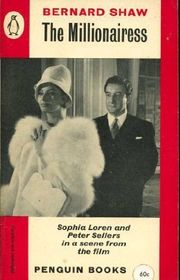
Wealthy heiress Epifania assumes her fortune gives her power over everyone around her, including prospective husbands. Her search for a suitable partner becomes a comedy about the unequal influence of money, status, and desire in personal relationships.
Geneva
by George Bernard Shaw
1939
Dictators recognizably modeled on Hitler, Mussolini, and Franco face judgment before world opinion. Written amid the rise of European fascism, Shaw's political play examines the claims of authoritarian leaders and the international response to their power.
Last Plays
by George Bernard Shaw
1939
These late plays range from a debate between Charles II and leading thinkers to a puppet argument between Shaw and Shakespeare. Comedies, fables and Shaw’s final play continue his examination of power, ideas and human behavior.
Sixteen Self Sketches
by George Bernard Shaw
1949
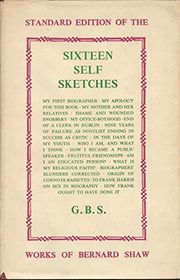
Shaw presents a series of autobiographical sketches rather than a continuous life story. These personal pieces offer his own account of himself, revising and expanding the earlier collection Shaw Gives Himself Away into seventeen reflections despite the title.
Collected Letters, Vol. 1
by George Bernard Shaw
1965
The first volume of Shaw's collected correspondence follows the years before his initial success as a playwright. Letters to family, friends, fellow writers, and contacts in politics and theater trace the developing public figure through his private exchanges.
Shaw: An Autobiography, 1856-1898
by George Bernard Shaw
1969
Selected from Shaw's own writings by Stanley Weintraub, this autobiography covers his life from 1856 to 1898. The collection assembles the writer's personal accounts into a portrait of his early years, accompanied by photographs.
Collected Letters, Vol. 2
by George Bernard Shaw
1972
Edited by Dan H. Laurence, this second volume collects Shaw's correspondence from 1898 to 1910. Letters preserve his exchanges during these years, offering a record of the playwright's relationships and concerns in his own words.
Collected Letters, Vol. 3
by George Bernard Shaw
1985
The third volume in Dan H. Laurence's edition gathers Shaw's correspondence from 1911 to 1925. Continuing the record established by the earlier volumes, it presents the playwright through the letters he wrote during these years.
The Miraculous Revenge
by George Bernard Shaw
1996
Sent by his uncle, a cardinal archbishop, Zeno investigates a supposed miracle in an Irish village. A graveyard is said to have moved overnight, drawing him into a dispute involving religious belief and the people surrounding the event.
The Glimpse of Reality
by George Bernard Shaw
2005
At an inn in fifteenth-century Italy, a peasant woman seeks money to marry her fisherman lover. A count’s arrival draws him into a dangerous scheme, as Shaw turns the conventions of historical melodrama into satire.
Standalone George Bernard Shaw books





















The Intelligent Woman's Guide to Socialism, Capitalism, Sovietism and Fascism
by George Bernard Shaw
1928

















Edited by
Software engineer whose passion for tracking book recommendations from podcasts inspired the creation of MRB.
Lead investor at 3one4 Capital whose startup expertise and love for books helped shape MRB and its growth.
Comments
Spotted a missing book, a wrong order or a mistake? Tell us and we'll fix this page.
We're a reading guide, not the author or publisher, so we can't send books or pass on messages.