
Genesis (Madeleine L'Engle) Books in Order
Part ofMadeleine L'Engle Books in OrderExplore Madeleine L'Engle's Genesis books in order, with summaries, spiritual background, reading notes, and where to start.
Last updated:
As an Amazon Associate, we earn from qualifying purchases (at no extra cost to you).
Genesis (Madeleine L'Engle) books in publication order
3 books
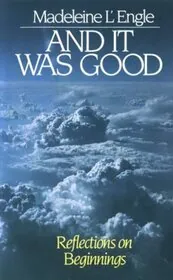
And It Was Good: Reflections on Beginnings
by Madeleine L'Engle
1983
The first Genesis book reflects on creation, creativity, order, and the mystery of beginnings. L'Engle brings together faith, imagination, and her lifelong wonder at the natural world.
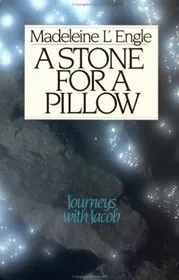
A Stone for a Pillow: Journeys with Jacob
by Madeleine L'Engle
1986
L'Engle walks with the biblical Jacob through trickery, fear, wrestling, and blessing. Her reflections treat an ancient story as a companion for modern questions about identity and grace.
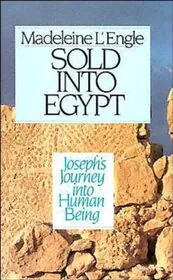
Sold into Egypt: Joseph's Journey into Human Being
by Madeleine L'Engle
1989
Using Joseph's story, L'Engle explores betrayal, exile, grief, forgiveness, and becoming fully human. The book carries personal weight from her own experience of loss.
Genesis (Madeleine L'Engle) books in chronological order
Series background & context
Madeleine L'Engle's Genesis books are a set of spiritual reflections on the first book of the Bible. They are not academic commentaries and do not try to flatten the stories into easy lessons. L'Engle reads Genesis as a storyteller, a Christian, a questioner, and a writer who believed that truth can live in story even when the story resists simple explanation.
The trilogy begins with And It Was Good: Reflections on Beginnings. This book thinks about creation, creativity, order, chaos, and the relationship between maker and made. L'Engle's lifelong interest in science and faith is present here, as she refuses to treat wonder about the natural world as a threat to belief.
A Stone for a Pillow: Journeys with Jacob turns to Jacob, one of the Bible's most complicated figures. L'Engle is drawn to his struggle, his trickery, his wrestling, and his need for blessing. She uses Jacob's story to think about identity, angels, fear, desire, and the strange ways grace can arrive through flawed people.
Sold into Egypt: Joseph's Journey into Human Being focuses on Joseph, betrayal, exile, grief, power, forgiveness, and the long road toward becoming fully human. It was written in the shadow of Hugh Franklin's death, and that grief gives the book a personal weight. Joseph's story becomes a way to think about abandonment and hope without pretending that pain is simple.
These books sit naturally beside L'Engle's memoirs and essays. They share the same habit of circling a question rather than closing it too quickly. Readers who come from A Wrinkle in Time may recognize the same deep pattern: creation is vast, evil is real, and love is the only answer worth trusting.
The trilogy is best read in order, but each volume can stand on its own. It helps to come ready for reflection rather than argument.
L'Engle is less interested in winning a point than in inviting readers to keep walking with the old stories until they start asking new questions.


Edited by
Software engineer whose passion for tracking book recommendations from podcasts inspired the creation of MRB.
Lead investor at 3one4 Capital whose startup expertise and love for books helped shape MRB and its growth.
Comments
Did we miss something? Have feedback?
Help us improve this page by sharing your thoughts