
Gabriel Garcia Marquez Books in Order
Explore Gabriel Garcia Marquez books in order, from Macondo novels to memoir and reportage, with short summaries and simple where-to-start guidance.
Last updated:
As an Amazon Associate, we earn from qualifying purchases (at no extra cost to you).
Gabriel Garcia Marquez books in publication order
27 books

Leaf Storm and Other Stories
by Gabriel Garcia Marquez
1955
This early collection introduces Macondo and a town haunted by memory, outsiders, and old grudges. The title novella and companion stories show Garcia Marquez testing ideas he would later enlarge in his major novels.
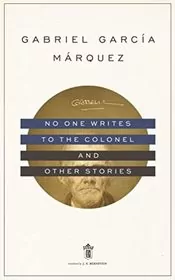
No One Writes to the Colonel, and Other Stories
by Gabriel Garcia Marquez
1961
At its center is an aging colonel who keeps waiting for the pension he was promised and refuses to give up hope. The surrounding stories deepen the mood of poverty, pride, and political tension.

Big Mama’s Funeral
by Gabriel Garcia Marquez
1962
Centered on the towering figure of Big Mama, these stories mix gossip, myth, and satire in and around Macondo. Power looks ridiculous here, but it still shapes everyone's lives.
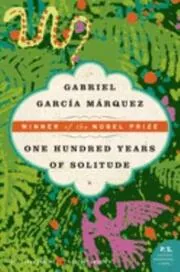
One Hundred Years of Solitude
by Gabriel Garcia Marquez
1967
The rise and fall of the Buendia family unfolds alongside the equally strange history of Macondo. Love, war, invention, grief, and the marvelous crowd into a novel that feels both intimate and immense.
Recommended by
9 people Alexandria Ocasio-Cortez recommended this book
Alexandria Ocasio-Cortez
Alexandria Ocasio-Cortez recommended this book on Twitter.
Alexandria Ocasio-Cortez's recommendation of this book  Neil Strauss recommended this book
Neil Strauss
"A good book to appreciate." - Neil Strauss
Neil Strauss's recommendation of this book  Richard Branson recommended this book
Richard Branson
Richard Branson recommended this book on his "70 must-read books" blog post.
Richard Branson's recommendation of this book  Oprah Winfrey recommended this book
Oprah Winfrey
"As steamy, dense and sensual as the jungle that surrounds the surreal town of Macondo!" - Oprah Winfrey
Oprah Winfrey's recommendation of this book  Cal Fussman recommended this book
Cal Fussman
"If you’ve never written a book and you’re going to tell somebody you want to write a great book, [...] read this and know what a great book is." - Cal Fussman
Cal Fussman's recommendation of this book  Christopher Hitchens recommended this book
Christopher Hitchens
"Epic." - Christopher Hitchens
Christopher Hitchens's recommendation of this book +3
More recommendations
- Fred Wilson
"Another amazing book that made me see things differently." - Fred Wilson
- Chimamanda Ngozi Adichie
"I think it’s glorious." - Chimamanda Ngozi Adichie
- Shashi Tharoor
"Extraordinary, magical reinvention of the Latin-American experience." - Shashi Tharoor
- Fred Wilson

A Very Old Man with Enormous Wings
by Gabriel Garcia Marquez
1968
A bedraggled winged old man lands in a family's yard, and the town turns wonder into spectacle. In a few pages, Garcia Marquez blends fable, cruelty, and dark humor.
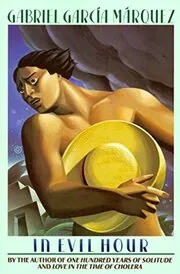
In Evil Hour
by Gabriel Garcia Marquez
1968
Anonymous flyers begin exposing the secrets of a small Colombian town, and gossip quickly turns violent. As officials crack down, the novel becomes a tense portrait of fear, resentment, and political abuse.

Innocent Erendira and Other Stories
by Gabriel Garcia Marquez
1972
These stories move between nightmare, fairy tale, and hard social reality. The title novella follows Erendira, a girl trapped by her ruthless grandmother, in one of Garcia Marquez's bleakest and strangest journeys.
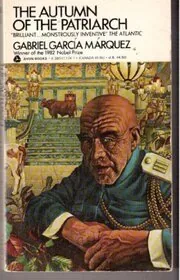
The Autumn of the Patriarch
by Gabriel Garcia Marquez
1976
In a nameless Caribbean dictatorship, an aging ruler clings to absolute power as myth and rot close in around him. The novel is dense, dark, and sharply focused on loneliness at the top.
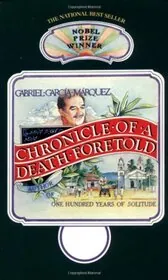
Chronicle of a Death Foretold
by Gabriel Garcia Marquez
1981
Everyone in town seems to know Santiago Nasar will be killed, yet nobody truly stops it. Told like a reconstruction after the fact, the novella turns a murder into a question about memory, honor, and collective guilt.
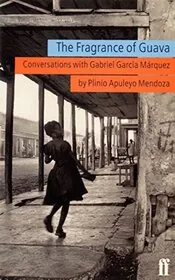
The Fragrance of the Guava
by Gabriel Garcia Marquez
1982
Built from long conversations with Plinio Apuleyo Mendoza, this book offers Garcia Marquez on childhood, politics, superstition, craft, and daily habits. It feels like an informal map to the life behind the fiction.

Collected Stories
by Gabriel Garcia Marquez
1984
This volume gathers Garcia Marquez's short fiction across several decades, from early surreal pieces to Macondo tales and later stranger turns. It is the broadest way to watch his voice grow while remaining unmistakably his.

Love in the Time of Cholera
by Gabriel Garcia Marquez
1985
Florentino Ariza waits decades for another chance with Fermina Daza after she marries a respected doctor. Their long, complicated story turns love into a test of time, obsession, aging, and patience.
Recommended by
3 people- Oprah Winfrey recommended this book
Oprah Winfrey
"One of the greatest love stories I have ever read." - Oprah Winfrey
Oprah Winfrey's recommendation of this book  Diane Rehm recommended this book
Diane Rehm
"About the romantic devotion one man has for a woman from his youth." - Diane Rehm
Diane Rehm's recommendation of this book  Bryan Callen recommended this book
Bryan Callen
Bryan Callen recommended this book on YouTube.
Bryan Callen's recommendation of this book
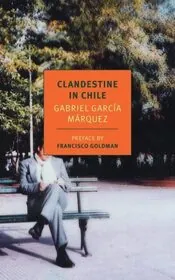
Clandestine in Chile
by Gabriel Garcia Marquez
1986
Garcia Marquez recounts filmmaker Miguel Littin's secret return to Chile during the Pinochet years, disguised and working undercover. It is a brisk nonfiction tale of exile, risk, and resistance.
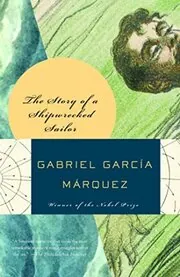
The Story of a Shipwrecked Sailor
by Gabriel Garcia Marquez
1986
Based on a real survivor's account, this gripping work of reportage follows a sailor drifting alone at sea for ten days. It also exposes the negligence and smuggling behind the disaster.
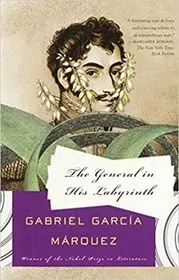
The General in His Labyrinth
by Gabriel Garcia Marquez
1989
A sick, exhausted Simon Bolivar drifts down the Magdalena River on his final journey, watching his dream of a united Latin America slip away. It is a historical novel about power, failure, and the man behind the legend.
Recommended by
1 person John Green recommended this book
John Green
"[Gets] better every time I read [it]." - John Green
John Green's recommendation of this book

Strange Pilgrims
by Gabriel Garcia Marquez
1992
Twelve stories follow Latin Americans adrift in Europe, where travel, exile, and chance keep bending ordinary lives. The tone shifts from funny to eerie, but the people always feel a little off balance.
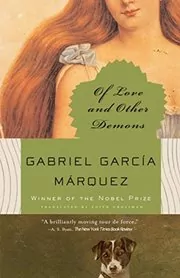
Of Love and Other Demons
by Gabriel Garcia Marquez
1994
In colonial Colombia, young Sierva Maria is bitten by a dog and sent to a convent when fear and superstition take over. A priest drawn into her case turns the story into a tragic clash of faith, desire, and cruelty.
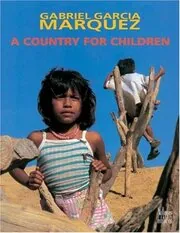
A Country for Children
by Gabriel Garcia Marquez
1996
This illustrated essay imagines a more decent, educated, and hopeful Colombia built with children at its center. It is brief, thoughtful, and more civic meditation than conventional narrative.
News of a Kidnapping
by Gabriel Garcia Marquez
1996
This nonfiction account follows the kidnapping of several prominent Colombians during Pablo Escobar's war with the state. Garcia Marquez turns a national crisis into a tense, deeply human story about fear, power, and survival.
Recommended by
1 person Lisa Ling recommended this book
Lisa Ling
"A journalistic account of ten notable Colombians kidnapped by Pablo Escobar’s Medellín Drug Cartel." - Lisa Ling
Lisa Ling's recommendation of this book
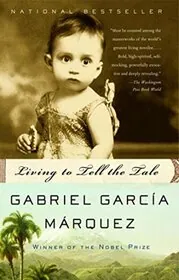
Living to Tell the Tale
by Gabriel Garcia Marquez
2002
The first volume of Garcia Marquez's memoir follows him from childhood into his early years as a reporter and struggling writer. Family legend, political unrest, and newsroom life all feed the fiction to come.
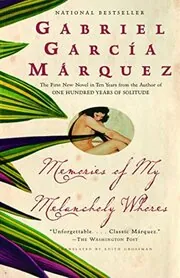
Memories of My Melancholy Whores
by Gabriel Garcia Marquez
2004
On his ninetieth birthday, an aging newspaper columnist arranges a night with a teenage prostitute and is shaken by unexpected tenderness. The novella is brief, unsettling, and centered on desire, aging, and loneliness.
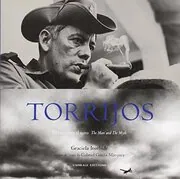
Torrijos
by Gabriel Garcia Marquez
2007
Part portrait, part political remembrance, this short illustrated book looks at Panamanian leader Omar Torrijos through personal recollection and photographs. It focuses on the man behind the public image and the era around him.
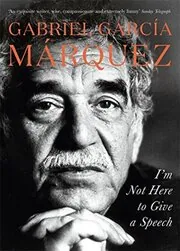
I'm Not Here to Give a Speech
by Gabriel Garcia Marquez
2010
A gathering of speeches, lectures, and tributes on reading, writing, journalism, and public life. It is one of the best places to hear Garcia Marquez in his own voice, reflective, funny, and occasionally mischievous.
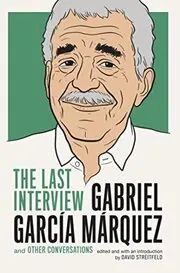
Gabriel García Márquez
by Gabriel Garcia Marquez
2015
This interview collection lets Garcia Marquez speak for himself about journalism, politics, memory, and the discipline behind his fiction. Across different years, he comes across as witty, guarded, and surprisingly practical.
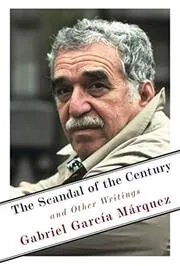
The Scandal of the Century
by Gabriel Garcia Marquez
2019
This collection gathers Garcia Marquez's journalism from crime reporting and political dispatches to essays on film, culture, and writing. It shows the sharp, restless reporter whose nonfiction fed the fiction.

Until August
by Gabriel Garcia Marquez
2024
Every August, Ana Magdalena Bach travels to the island where her mother is buried, and one visit changes the pattern of her life. This late, posthumous novel is quiet, sensual, and preoccupied with freedom and desire.
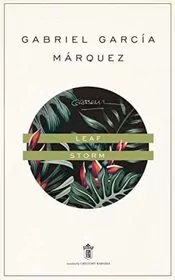
Leaf Storm
by Gabriel Garcia Marquez
In Macondo, a colonel insists on burying a doctor despised by the town, despite the consequences for his family. Alternating voices of the colonel, his daughter, and her son reveal old grievances and conflicting responsibilities toward the dead.
Where to start with Gabriel Garcia Marquez
If you want the essential classic: One Hundred Years of Solitude
If you prefer a sweeping love story: Love in the Time of Cholera
If you want a shorter first book: Chronicle of a Death Foretold → No One Writes to the Colonel and Other Stories
If you want the reporter as much as the novelist: The Story of a Shipwrecked Sailor → News of a Kidnapping
Gabriel Garcia Marquez collections, short stories, and related book types
Short Stories/Novellas
Short Story Collections
Non-Fiction
Standalone Gabriel Garcia Marquez books
Author bio
Gabriel Garcia Marquez was born in Aracataca, Colombia, on March 6, 1927, and spent much of his childhood with his maternal grandparents. His grandfather, a veteran of the Thousand Days' War, filled the house with stories about politics, honor, and violence. His grandmother told ghostly, impossible things as if they were ordinary facts. Between them, he got history on one side and wonder on the other.
That mix stayed with him for life.
As a teenager he left the Caribbean coast for school and later began studying law in Bogota. He never finished the degree. Newspapers pulled harder. After the turmoil that followed the 1948 assassination of Jorge Eliecer Gaitan, he moved more firmly toward journalism, working in Cartagena and Barranquilla and learning to write fast, listen closely, and notice the details that make a scene feel alive.
He later said one of the big shocks of his early reading life was Kafka's The Metamorphosis. It showed him that a writer could present the strange in a plain voice and trust the reader to come along. That fit perfectly with what he had heard at home as a child. Journalism shaped the other half of his style. It taught him how to build tension from facts, how to move through a story cleanly, and how to keep one eye on the street.
The early books, including Leaf Storm and No One Writes to the Colonel, slowly built his world. Then One Hundred Years of Solitude arrived in 1967 and changed the scale of everything. Its town of Macondo felt invented and completely lived in at the same time. Readers came for the miracles, the wars, and the family feuds, but they stayed for the humor, grief, and the sense that private lives are always tangled up with history.
He never worked from just one mood. The Autumn of the Patriarch is harsh and airless, a book about power rotting from the inside. Chronicle of a Death Foretold is lean and exact, built like a reconstruction after a killing everyone saw coming. Love in the Time of Cholera takes a grand love story and lets time, age, compromise, and stubbornness into the room. And News of a Kidnapping shows the reporter still fully present, turning cartel-era fear into clear, patient nonfiction.
He never really stopped thinking like a reporter.
Garcia Marquez married Mercedes Barcha in 1958, and they had two sons, Rodrigo and Gonzalo. Over the years he lived in several cities, worked as a foreign correspondent in places like Paris and New York, and eventually made Mexico City his main home. In 1982 he won the Nobel Prize in Literature. He died in Mexico City on April 17, 2014, at the age of eighty-seven. By then he had written novels, stories, memoir, reportage, speeches, and film work, but the through line was simple: he kept returning to love, loneliness, memory, power, and the stories families tell about themselves.




Edited by
Software engineer whose passion for tracking book recommendations from podcasts inspired the creation of MRB.
Lead investor at 3one4 Capital whose startup expertise and love for books helped shape MRB and its growth.
Comments
Did we miss something? Have feedback?
Help us improve this page by sharing your thoughts