
Frederick Forsyth Books in Order
Explore Frederick Forsyth's books in order, with summaries and where-to-start tips covering his thrillers, short stories, non-fiction and memoir.
Last updated:
As an Amazon Associate, we earn from qualifying purchases (at no extra cost to you).
Frederick Forsyth books in publication order
28 books
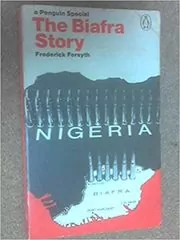
The Biafra Story
by Frederick Forsyth
1969
Forsyth’s first book is an on-the-ground account of the Nigerian Civil War from the Biafran side. He traces the politics, sieges and human cost of the conflict with the eye of a reporter who witnessed it himself.
The Day of the Jackal
by Frederick Forsyth
1971
After a secret right-wing group hires a nameless English assassin to kill President Charles de Gaulle, French detective Claude Lebel races to unmask the "Jackal" before he can strike. A meticulous cat-and-mouse political thriller.
Recommended by
1 person Ben Shapiro recommended this book
Ben Shapiro
"The best action novel ever written. By a looong shot!" - Ben Shapiro
Ben Shapiro's recommendation of this book
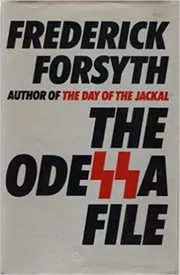
The Odessa File
by Frederick Forsyth
1972
In 1963 Hamburg, young reporter Peter Miller stumbles on a Holocaust survivor’s diary naming a brutal SS commandant. His search for justice pulls him into ODESSA, a secret organisation shielding Nazi war criminals with powerful friends.
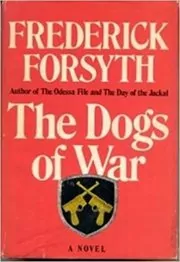
The Dogs of War
by Frederick Forsyth
1974
A mining tycoon hires veteran mercenary "Cat" Shannon to overthrow a dictator in a small, mineral-rich African state. Shannon gathers a team, arms a covert invasion and must decide whose interests this bloody coup will really serve.
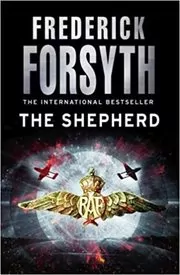
The Shepherd
by Frederick Forsyth
1975
On Christmas Eve 1957, a young RAF Vampire pilot suffers total radio and instrument failure over the North Sea. Lost in fog and running out of fuel, he’s guided home by a mysterious "shepherd" whose identity defies explanation.
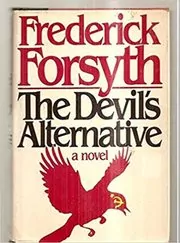
The Devil's Alternative
by Frederick Forsyth
1979
Set in the early 1980s, a disastrous Soviet grain harvest, a hijacked airliner and an oil tanker wired to explode push East and West toward war. Western intelligence races to prevent catastrophe when every option looks like the wrong one.
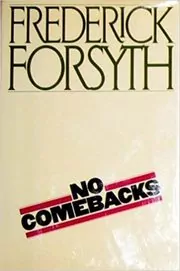
No Comebacks
by Frederick Forsyth
1982
This collection gathers ten twist-driven crime stories, from Irish hijackers and vengeful lovers to blackmailers who misjudge their victims. Each tale showcases Forsyth’s tight plotting, sharp detail and a final sting in the tail.
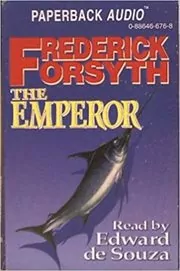
The Emperor
by Frederick Forsyth
1982
On holiday in Mauritius, a timid, middle-aged banker sneaks away from his domineering wife to try big-game fishing. His gruelling battle with a legendary marlin, "the Emperor", forces him to rethink his timid life and loveless marriage.
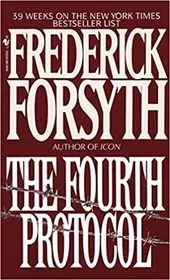
The Fourth Protocol
by Frederick Forsyth
1984
A renegade Soviet faction plots to assemble and detonate a suitcase nuclear bomb in Britain, triggering political chaos and a pro-Moscow government. MI5 officer John Preston uncovers fragments of the plan and must stop "Aurora" in time.
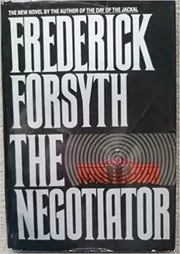
The Negotiator
by Frederick Forsyth
1989
When the U.S. president’s son is kidnapped during tense arms-reduction talks, legendary hostage negotiator Quinn is called in. What begins as a delicate ransom case spirals into a conspiracy aimed at destroying the president and the peace deal.
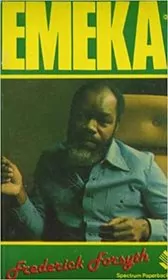
Emeka
by Frederick Forsyth
1991
A non-fiction portrait of Chukwuemeka Odumegwu Ojukwu, leader of Biafra during the Nigerian Civil War. Drawing on personal friendship and reportage, Forsyth traces Ojukwu’s upbringing, wartime leadership and controversial legacy in Nigerian politics.
Great Flying Stories
by Frederick Forsyth
1991
An aviation-themed anthology selected and introduced by Forsyth, gathering classic short stories about flight from a range of writers. Wartime dramas, mysteries and speculative adventures in the air celebrate the risks and romance of flying.
The Deceiver
by Frederick Forsyth
1991
Facing forced retirement, maverick British spymaster Sam McCready must justify his career at a closed-door hearing. Four long, self-contained cases—from Cold War defections to Caribbean intrigue—reveal how his unorthodox methods repeatedly saved lives.
The Fist of God
by Frederick Forsyth
1994
During the first Gulf War, SAS officer Mike Martin goes undercover in Iraq to hunt for a rumoured super-weapon. His mission uncovers a hidden nuclear programme and a giant "supergun" poised to devastate coalition forces if not destroyed.
Icon
by Frederick Forsyth
1996
In crisis-ridden post-Soviet Russia, ultra-nationalist Igor Komarov seems certain to win the presidency—until his secret "Black Manifesto" surfaces. Western spymaster Sir Nigel Irvine recruits ex-CIA man Jason Monk to derail Komarov’s rise and prevent a new tyranny.
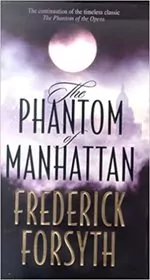
The Phantom of Manhattan
by Frederick Forsyth
1996
A continuation of the Phantom of the Opera story, this novel imagines Erik alive and wealthy on New York’s Coney Island. Years later, fate draws Christine and their musically gifted son into his extravagant, haunted new world.

The Citizen
by Frederick Forsyth
2000
On a routine overnight flight from Bangkok to London, customs investigator Bill Butler and his "Knock" team race to outwit sophisticated drug smugglers. A tip-off, uneasy passengers and shifting suspicions build to a clever airborne twist.

The Miracle
by Frederick Forsyth
2000
An American couple in Siena, heading to watch the Palio horse race, are diverted into a quiet courtyard and hear a haunting tale from a stranger. His story of a persecuted nun and a wartime retreat hints at a modern-day miracle.
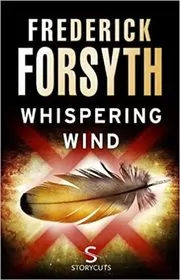
Whispering Wind
by Frederick Forsyth
2000
A frontier scout in the American West defies his own army to save a young Cheyenne woman from massacre. Their doomed love story echoes across decades, ending in a present-day manhunt through the wild landscapes of Montana.
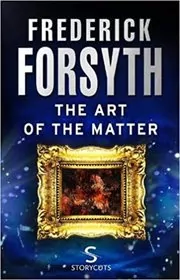
The Art of the Matter
by Frederick Forsyth
2001
A junior appraiser in a prestigious auction house spots an overlooked Old Master, only to see his arrogant boss steal the credit. Teaming up with the painting’s owner, he engineers an intricate art-world scam to turn the tables.
Avenger
by Frederick Forsyth
2003
By day Calvin Dexter is a small-town lawyer; in secret he’s the "Avenger", a specialist in kidnapping fugitives and delivering them to justice. Hired to hunt a Balkan war criminal, he collides with a covert CIA operation that needs the killer alive.
Used In Evidence
by Frederick Forsyth
2005
In a condemned British slum, a silent old man refuses to leave the house he’s lived in since his wife vanished fifteen years earlier. When builders find a mummified body in his chimney, the case seems open-and-shut—until it isn’t.
The Afghan
by Frederick Forsyth
2006
Western intelligence learns of a mysterious al-Qaeda operation codenamed "al-Isra". To uncover it, ex-SAS officer Mike Martin assumes the identity of a captured Taliban commander and infiltrates the terror network, edging toward a plot involving a hijacked cargo ship.
The Cobra
by Frederick Forsyth
2010
Shocked by the toll of cocaine on their societies, a U.S. president and British prime minister secretly unleash ex-CIA hardliner Paul Devereaux, "the Cobra". Given unlimited resources, he wages a covert war aimed at dismantling the global cocaine trade.
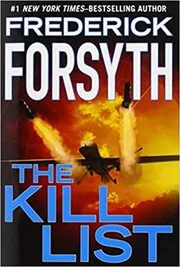
The Kill List
by Frederick Forsyth
2013
A charismatic online preacher inspires lone-wolf assassins to murder Western officials. Placed at the top of America’s clandestine "Kill List", he becomes the target of a Marine veteran known as the Tracker, aided by a brilliant young hacker.
The Outsider
by Frederick Forsyth
2015
Forsyth’s memoir tells his story in sharp vignettes, from RAF training and near-fatal accidents to Reuters assignments in Paris, East Berlin and Biafra. He shows how those experiences, and occasional work for intelligence, fed directly into his thrillers.
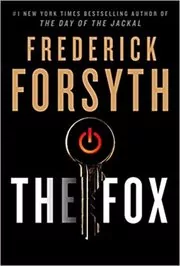
The Fox
by Frederick Forsyth
2018
British intelligence quietly recruits Luke Jennings, a teenage hacker with extraordinary skills and little sense of danger. Guided by veteran spymaster Adrian Weston, Luke becomes a secret weapon against hostile states’ nuclear and cyber programmes—if enemies don’t find him first.
The Veteran and Other Stories
by Frederick Forsyth
2020
This collection brings together five longer crime and suspense stories, including "The Veteran", "Whispering Wind", "The Art of the Matter", "The Citizen" and "The Miracle", each built around moral ambiguity, unlikely heroes and a final, unsettling reversal.
Where to start with Frederick Forsyth
Ranked by consensusBest Frederick Forsyth BooksThe 19 books expert sources name most oftenIf you want his classic political thrillers: The Day of the Jackal → The Odessa File → The Dogs of War
If you like Cold War espionage and nukes: The Fourth Protocol → The Devil's Alternative → Icon
For modern war and terrorism stories: The Fist of God → The Afghan → The Cobra → The Kill List
If you prefer short, twisty reads: No Comebacks → The Veteran and Other Stories → Whispering Wind → The Art of the Matter
For his real-life background and reportage: The Biafra Story → Emeka → The Outsider
Frederick Forsyth sub-series and character series
Frederick Forsyth collections, short stories, and related book types
Short Stories/Novellas
Short Story Collections
Non-Fiction
Standalone Frederick Forsyth books
by Frederick Forsyth
1996The Stunning Continuation of the Timeless Classic The Phantom of the Opera
Author bio
Frederick Forsyth grew up in the market town of Ashford in Kent, born on 25 August 1938 above his parents’ small fur and dress shop. As an only child he read voraciously, learned languages early and dreamed of aeroplanes and far‑off countries.
Scholarship and curiosity took him to Tonbridge School, where French and German came as naturally as English and where supportive teachers pushed him toward the wider world.
Flying, though, was his first passion. He joined the Royal Air Force as a teenager, flying de Havilland Vampire jets during national service and, by his early twenties, wearing pilot’s wings as one of the youngest fast‑jet pilots in the service. Those years left him with a coolness under pressure and a keen sense of how machines, men and risk fit together.
When a front‑line posting failed to materialise, he pivoted to journalism. After a start on a provincial paper he joined Reuters in 1961 and was soon posted to Paris, covering General de Gaulle’s France and the violent campaigns of the OAS. Later, as a BBC correspondent, he reported from East Berlin and then from the Nigerian Civil War, where the famine and brutality in Biafra shook him badly and led to a break with the corporation.
Forsyth returned to Biafra as a freelancer, turned his dispatches into the non‑fiction book The Biafra Story, and quietly began working as an occasional courier and informant for British intelligence. By 1970 he was back in London, broke and out of work, when he decided to try a political thriller built around a failed plot to assassinate de Gaulle. He wrote The Day of the Jackal in just over a month.
The book’s blend of documentary detail, step‑by‑step plotting and lean prose was new at the time and became his hallmark. The Day of the Jackal won major crime awards, sold around the world and was swiftly adapted for film. It also set up a run of bestsellers—The Odessa File, The Dogs of War, The Devil’s Alternative and The Fourth Protocol among them—that used real politics, weapons and tradecraft as the scaffolding for tightly wound stories.
Alongside the big novels, he wrote shorter work that showed a different register: the RAF ghost story The Shepherd, the western love story Whispering Wind, and two collections of twist‑in‑the‑tail tales, No Comebacks and The Veteran. Later books such as The Fist of God, The Afghan, The Cobra, The Kill List and The Fox shifted his focus to the Gulf War, organised crime, jihadist terrorism and cyber‑espionage, but kept the same obsession with getting the hardware and procedures right.
He always insisted he was a reporter first and a novelist second, doing months of legwork and then hammering out a book in a few weeks at a stubbornly old‑fashioned typewriter.
Honours followed anyway. He was appointed CBE in 1997 for services to literature and later received the Diamond Dagger for a lifetime of crime writing. His memoir The Outsider: My Life in Intrigue pulls these threads together in anecdotal bursts: the RAF mess, Paris in the 1960s, Biafra’s suffering, MI6 errands, brushes with coups and courtroom dramas about his books.
Forsyth spent much of his later life in the English countryside, writing, broadcasting and campaigning on causes he cared about, from military veterans to Britain’s relationship with Europe. He died on 9 June 2025 at his home in Buckinghamshire, leaving behind two sons and a body of work that reshaped the modern political thriller.



Edited by
Software engineer whose passion for tracking book recommendations from podcasts inspired the creation of MRB.
Lead investor at 3one4 Capital whose startup expertise and love for books helped shape MRB and its growth.
Comments
Did we miss something? Have feedback?
Help us improve this page by sharing your thoughts