
Fly Guy Presents Books in Order
Part ofTedd Arnold Books in OrderThis page lists the Fly Guy Presents books by Tedd Arnold in order, with topic-by-topic summaries, series background, and help choosing where to start.
Last updated:
As an Amazon Associate, we earn from qualifying purchases (at no extra cost to you).
Fly Guy Presents books in publication order
16 books
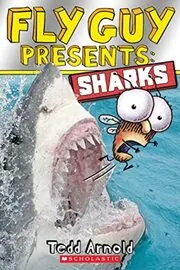
Sharks
by Tedd Arnold
2013
Buzz and Fly Guy dive into the world of sharks, from sharp teeth to ocean habitats. The book balances cool facts with just enough humor to keep things light.
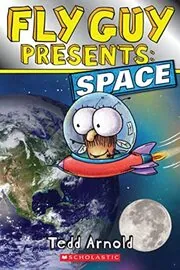
Space
by Tedd Arnold
2013
At a space museum, Buzz and Fly Guy learn about planets, spacecraft, space suits, and comets. It is a friendly first look at big space ideas.
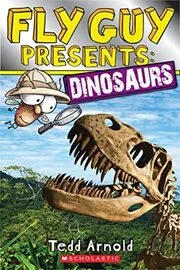
Dinosaurs
by Tedd Arnold
2014
A museum trip gives Buzz and Fly Guy a quick tour of famous dinosaurs, fossils, and prehistoric life. The facts are simple, visual, and easy to follow.

Firefighters
by Tedd Arnold
2014
Buzz and Fly Guy visit a fire station to see gear, trucks, rescue work, and fire safety up close. It is a brisk introduction to how firefighters help.
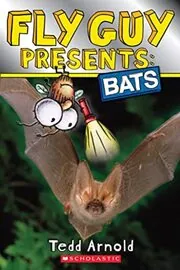
Bats
by Tedd Arnold
2015
Buzz and Fly Guy venture into a bat cave to learn how bats live, hunt, and find their way in the dark. The book makes these nighttime animals feel fascinating rather than frightening.

Insects
by Tedd Arnold
2015
Buzz and Fly Guy head outside to study insects, including plenty that look a lot like Fly Guy. Bugs, body parts, and life cycles keep the facts buzzing along.

Snakes
by Tedd Arnold
2016
A zoo trip leads Buzz and Fly Guy into the world of snakes, where they learn how different species hunt, move, and survive. The tone stays curious instead of scary.
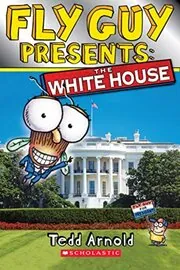
The White House
by Tedd Arnold
2016
Buzz and Fly Guy tour the White House and learn how it works as a home, workplace, and symbol of the presidency. History and odd little facts keep it moving.
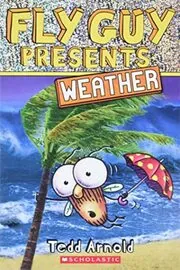
Weather
by Tedd Arnold
2016
At a weather station, Buzz and Fly Guy learn about tornadoes, hurricanes, blizzards, and forecasts. It turns big weather ideas into simple, kid-friendly facts.
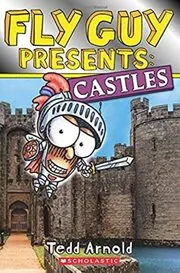
Castles
by Tedd Arnold
2017
Buzz and Fly Guy explore castles from drawbridges and dungeons to kings, queens, and knights. It is a lively introduction to how these huge buildings worked.

Why, Fly Guy?
by Tedd Arnold
2017
Buzz and Fly Guy answer big kid questions about science and everyday life, from wheels to weather and much more. It is packed with short explanations and curious kid energy.
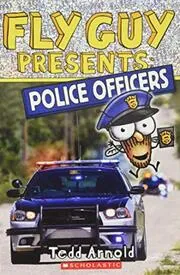
Police Officers
by Tedd Arnold
2018
Buzz and Fly Guy learn what police officers do, how they help communities, and what tools they use on the job. The book keeps the facts clear and easy for new readers.
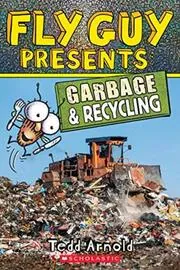
Garbage and Recycling
by Tedd Arnold
2019
A trip to the landfill and recycling plant shows Buzz and Fly Guy where trash goes and how it can be reused. Kids get practical facts and planet-friendly tips.
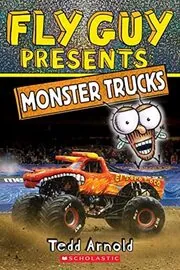
Monster Trucks
by Tedd Arnold
2019
Buzz and Fly Guy dig into monster-truck technology, famous tricks, and safety rules. It is a noisy, fact-filled look at machines built to crush and soar.
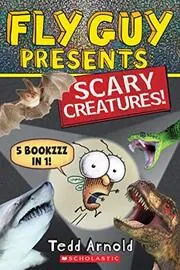
Scary Creatures!
by Tedd Arnold
2020
Buzz and Fly Guy introduce animals that look fierce, creepy, or just plain strange, then explain the facts behind them. It is a fun way to turn fear into curiosity.
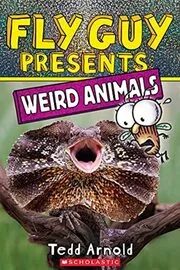
Weird Animals
by Tedd Arnold
2021
At the zoo, Buzz and Fly Guy discover some of the strangest animals on Earth, from blobfish to naked mole rats. It mixes weird facts with jokes and bright photos.
Fly Guy Presents books in chronological order
Series background & context
Fly Guy Presents takes the energy of the fiction books and points it at real-world topics. Instead of one more made-up adventure, Buzz and Fly Guy head out on field trips, tours, and fact-finding missions. The result is a nonfiction series that still feels playful.
That balance is really the point. These books are not dry information dumps dressed up with a familiar character. Arnold uses Buzz and Fly Guy to guide readers into subjects that can feel big at first, like sharks, space, weather, dinosaurs, bats, castles, the White House, and recycling. The facts are straightforward, but the pages still have jokes, side comments, and that slightly wild Fly Guy tone.
Kids get information. They also get momentum.
The visual setup helps a lot. Arnold mixes cartoons of Buzz and Fly Guy with photographs and clean, readable text, which makes the books feel more alive than a standard first encyclopedia. Young readers can move between the funny character moments and the real images without feeling like they have left the story behind. That is especially useful for kids who like facts but are not ready for dense nonfiction yet.
The topics are broad on purpose. Some books focus on animals, like Sharks, Bats, Insects, Snakes, Weird Animals, and Scary Creatures!. Others lean into places and people, like Firefighters, Police Officers, Castles, and The White House. A few explain systems and science, including Weather, Space, Garbage and Recycling, and Monster Trucks. Then Why, Fly Guy? opens things up even further by answering a whole pile of big questions kids tend to ask in bursts.
What carries across the whole series is the feeling of discovery. Buzz is curious. Fly Guy reacts in his own buggy way. Readers get the sense that learning something new can be funny, surprising, and worth doing. Arnold never forgets that the audience is young. He keeps the explanations short, the hooks clear, and the tone welcoming.
This series also works nicely as a bridge. Kids who start with the fiction books can move into nonfiction without losing the characters they already trust. Kids who come for the facts may end up circling back to the stories. Either way, the books make early nonfiction feel less like homework and more like a guided outing.
So if the main Fly Guy books are about friendship in motion, Fly Guy Presents is about curiosity in motion. It is still buzzing, still funny, and still easy to read, but now the world outside the story gets to share the spotlight.


Edited by
Software engineer whose passion for tracking book recommendations from podcasts inspired the creation of MRB.
Lead investor at 3one4 Capital whose startup expertise and love for books helped shape MRB and its growth.
Comments
Did we miss something? Have feedback?
Help us improve this page by sharing your thoughts