
Empire of the North Books in Order
Part ofBrendan Dubois Books in OrderSee the Empire of the North books in order by Brendan DuBois, with short summaries, series background, and help choosing where to start.
Last updated:
As an Amazon Associate, we earn from qualifying purchases (at no extra cost to you).
Empire of the North books in publication order
3 books
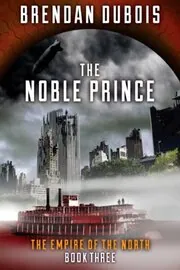
The Noble Prince
by Brendan Dubois
2012
Escaping the Oil Sands, Armand reaches the forbidden lands and finds new enemies, uneasy allies, and remnants of an older America. The final book turns his private awakening into a broader fight for freedom.
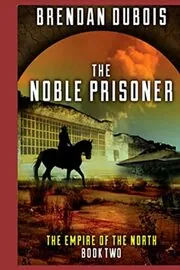
The Noble Prisoner
by Brendan Dubois
2012
After questioning the Empire's order, Armand is beaten, abandoned, and sent west to the Imperial Oil Sands as a slave laborer. Survival becomes his first lesson in the system he once took for granted.
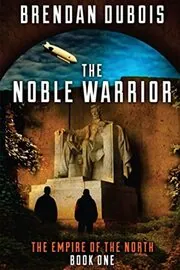
The Noble Warrior
by Brendan Dubois
2012
Young nobleman Armand de la Couture travels from the Empire of the North to the ruins of Potomick and sees how freedom has been turned into legend. What he learns makes it harder to accept his own empire's injustices.
Empire of the North books in chronological order
Series background & context
The Empire of the North trilogy takes place centuries after a catastrophic war has shattered the old world. North America still exists, but not as we know it. Where Canada once stood, a harsh northern power survives as the Empire of the North, also called the Empire of Nunavut. It has hierarchy, ritual, memory, and plenty of myths about what came before. What it does not have is justice for everyone living under it.
The series follows young Sire Armand de la Couture, who begins as a sheltered nobleman and slowly learns what his society is really built on. In The Noble Warrior, he travels south with his father on a trading mission and sees the ruins of old Amerka through new eyes. In Potomick he finds a broken civilization still clinging to symbols from the past, including the almost saintlike memory of "Father Abram," once a liberator of slaves. That encounter matters because it gives Armand a way to see his own empire more clearly.
And what he sees is ugly.
The heart of the trilogy is Armand's moral awakening. Once he begins asking questions about indentured labor, inherited power, and the comfortable lies of noble life, he can no longer fit neatly back into the role he was born to play. The Noble Prisoner turns that awakening into punishment. Armand is beaten, abandoned, and sent west to the Imperial Oil Sands Authority, where the empire's wealth rests on forced labor and brutal control. The second book is about survival, but also about learning from the position of the oppressed rather than the privileged.
By the time The Noble Prince begins, the world has widened again. Armand escapes and heads into the forbidden lands, where he finds new enemies, new allies, and remnants of older powers that were not as dead as he believed. The trilogy becomes more openly adventurous here, with travel, pursuit, and the possibility of a larger struggle ahead, but the central question stays the same: what does freedom actually require from someone who once benefited from the system?
The books are adventure stories, but the moral engine is clear.
What makes the setting memorable is the mix of the ancient and the improvised. Old American ruins survive as half-understood sacred places. Social systems have hardened into custom. Technology is patchy, and the environment is unforgiving. Airships, trading routes, prison camps, and broken monuments all help the world feel distant and familiar at the same time. DuBois is not interested in building a decorative fantasy kingdom. He is more interested in how people use the past to justify power in the present.
If you come to Empire of the North, expect a post-collapse saga with an alternate-history flavor, a young protagonist forced to grow up quickly, and a steady tension between duty and conscience. Start with The Noble Warrior and keep going in order. The trilogy is really one long movement, from comfort to doubt, from doubt to suffering, and from suffering to the possibility of real change.











Edited by
Software engineer whose passion for tracking book recommendations from podcasts inspired the creation of MRB.
Lead investor at 3one4 Capital whose startup expertise and love for books helped shape MRB and its growth.
Comments
Did we miss something? Have feedback?
Help us improve this page by sharing your thoughts