
Emperor Books in Order
Part ofConn Iggulden Books in OrderSee all of Conn Iggulden's Emperor novels in order, with summaries, series background on his version of Julius Caesar, and guidance on the best place to begin this Roman saga.
Last updated:
As an Amazon Associate, we earn from qualifying purchases (at no extra cost to you).
Emperor books in publication order
5 books
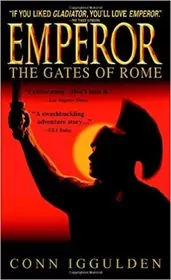
The Gates of Rome
by Conn Iggulden
2002
First in the Emperor series, this novel follows young Gaius Julius Caesar and his friend Marcus as they grow up on a Roman estate, train under a brutal ex-gladiator, and are swept into the violent power struggle between Marius and Sulla.
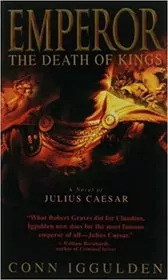
The Death of Kings
by Conn Iggulden
2004
Caesar’s world widens as he serves with the legions, survives capture by pirates and witnesses the Spartacus rebellion, while back in Rome alliances shift and Marcus Brutus is drawn into battles that will shape both men’s futures.
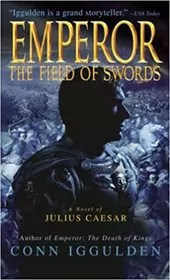
The Field of Swords
by Conn Iggulden
2005
As Julius Caesar’s ambition hardens, he builds a power base in Rome then marches north, forging a ruthless army in Gaul and beyond, even as enemies in the Senate plot to cut him down before he becomes unstoppable.
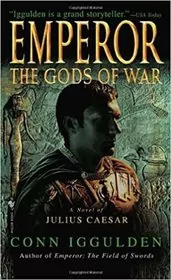
The Gods of War
by Conn Iggulden
2006
Caesar crosses the Rubicon and plunges Rome into civil war, leading veteran legions against Pompey while a dangerous new alliance with Cleopatra in Egypt pulls him toward a destiny that will decide the fate of the Republic.
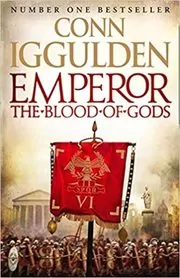
The Blood of Gods
by Sherwood & Conn Iggulden
2013
After Julius Caesar’s assassination, Rome explodes into reprisals and civil war as Marc Antony and young Octavian hunt down Brutus, Cassius and the other conspirators, turning personal grief into a ruthless struggle for control of the Republic.
Emperor books in chronological order
Series background & context
The Emperor series chronicles the rise and fall of Julius Caesar and the birth of the Roman Empire, told over five novels that follow him from childhood to the aftermath of his assassination. Conn Iggulden blends known history with imagined details, turning familiar events into a fast-moving political and military drama.
In The Gates of Rome, readers meet Gaius and Marcus as boys growing up on neighboring estates outside the city. One is the privileged son of a senator, the other an adopted outsider, but their shared training under a brutal ex-gladiator binds them as brothers in arms. Civil unrest, street violence and a bitter rivalry between generals Marius and Sulla pull the boys into a world where loyalty is dangerous and power is everything.
The Death of Kings and The Field of Swords follow Julius into adulthood as he survives shipwrecks and piracy, earns his reputation with the legions and discovers that command on the battlefield is only half the struggle. In Rome he must master the arts of speech, patronage and deal-making, while abroad he forges a professional army in Spain, Gaul and Britain that owes its fortunes to him personally.
By The Gods of War, Caesar is strong enough to march his legions across the Rubicon and challenge the authority of the Senate itself. The books show the civil war with Pompey from campfires and council tents as much as from set-piece battles, and carry the story on to Egypt and a charged relationship with Cleopatra. Battles are bloody, but just as much tension comes from the calculation needed to keep allies close and rivals off balance.
The closing volume, The Blood of Gods, shifts focus to the men who kill Caesar on the Ides of March and to those who claim to avenge him. Marcus Brutus, Marc Antony and the young Octavian all step into the light as the Republic tears itself apart. Rather than treat Caesar as a lone genius, the series paints him as one ambitious man in a city full of them, making hard choices in a system already rotting from within.
Across the sequence you can expect vivid set-pieces—gladiator schools, sea crossings, siege works and Senate debates—but also friendships that bend under pressure and break. The result is a version of Rome that feels lived-in and human, where even the most famous names are allowed to make mistakes, change their minds and learn from the consequences.




Edited by
Software engineer whose passion for tracking book recommendations from podcasts inspired the creation of MRB.
Lead investor at 3one4 Capital whose startup expertise and love for books helped shape MRB and its growth.
Comments
Did we miss something? Have feedback?
Help us improve this page by sharing your thoughts