
Elizabeth Day Books in Order
Explore Elizabeth Day books in order, with publication details and book summaries to help you choose where to start and plan your next read.
Last updated:
As an Amazon Associate, we earn from qualifying purchases (at no extra cost to you).
Elizabeth Day books in publication order
11 books
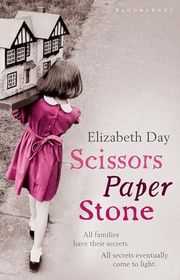
Scissors, Paper, Stone
by Elizabeth Day
2011
With Charles Redfern unconscious in hospital, his wife and daughter must confront the influence he has held over their lives. Family secrets, unhappy relationships and difficult choices surface as both women consider a future no longer organized around his dominance.
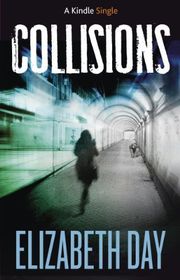
Collisions
by Elizabeth Day
2013
A passerby stops beside a motorbike crash to call for help and comfort an injured man. As the encounter unfolds, appearances become less certain, revealing how half-truths and private expectations can shape the damage people inflict on one another.
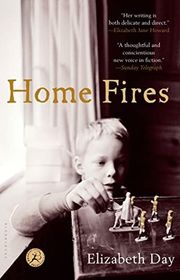
Home Fires
by Elizabeth Day
2013
The death of their son on an army posting devastates Caroline and Andrew’s marriage. When Andrew’s elderly mother moves into their home, dependency and long-standing tensions expose a family history shaped by class, war and unresolved loss.

Babysitting
by Elizabeth Day
2014
Jack struggles to conceive while her husband longs for a child and the world around her seems consumed by babies. After another unsuccessful fertility treatment, she makes a decision whose consequences reach beyond her own grief into other people’s lives.
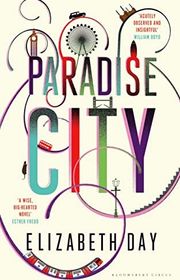
Paradise City
by Elizabeth Day
2015
A refugee, a wealthy businessman, a widow and a young journalist navigate very different versions of London. When an act of wrongdoing connects their worlds, their lives expose the divisions between those with power and those struggling to survive.
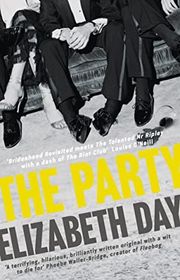
The Party
by Elizabeth Day
2017
Martin and his wife attend the lavish fortieth birthday party of his wealthy childhood friend Ben. By morning, police are asking questions, and the history behind an apparently unbreakable friendship begins to reveal obsession, dependence and betrayal.
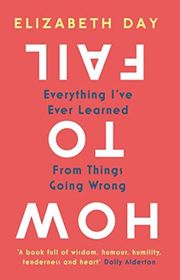
How to Fail
by Elizabeth Day
2019
Drawing on personal experience and conversations from her podcast, Day considers what failure can teach about work, relationships and identity. The book combines memoir with reflections on responding to disappointment and relinquishing the fear of getting things wrong.
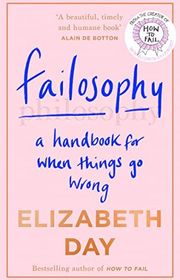
Failosophy
by Elizabeth Day
2020
Day gathers lessons from her life, readers and podcast guests into seven principles for handling failure. Examples spanning career setbacks, relationship endings and loss explore how acknowledging mistakes can change the way people understand difficult experiences.
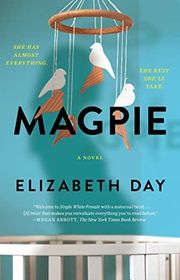
Magpie
by Elizabeth Day
2022
Marisa believes she has found the life she wants with Jake until their new lodger, Kate, begins crossing unsettling boundaries. As questions about intimacy and their plans for a baby grow, Marisa struggles to determine whom she can trust.
Failosophy for Teens
by Elizabeth Day
2023
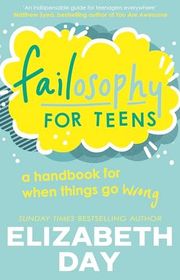
Personal stories and experiences shared by podcast guests introduce teenagers to ways of handling setbacks. Day explores talking openly about failure, questioning harsh self-judgment and developing resilience when exams, friendships or other parts of life do not go as planned.
Friendaholic
by Elizabeth Day
2023
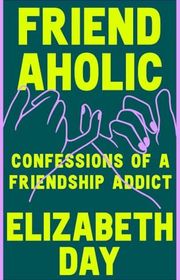
Day examines her own need to be liked and the friendships it produced, questioning whether more friends always mean greater connection. Personal stories and wider perspectives explore boundaries, changing relationships and the language available for understanding friendship’s importance.
Where to start with Elizabeth Day
For the memoir and the ideas behind her podcast: How to Fail
For a shorter guide to setbacks: Failosophy
For friendship and boundaries: Friendaholic
For class and psychological suspense: The Party
For a domestic psychological thriller: Magpie
Standalone Elizabeth Day books
Author bio
Elizabeth Day writes novels and nonfiction about belonging, relationships and the pressure to appear successful. She grew up in Northern Ireland, studied history at Cambridge and worked in journalism for publications including the Derry Journal, Evening Standard, Sunday Telegraph and Observer. Her writing career has developed alongside broadcasting and long-form interviews.
Her first novel, Scissors, Paper, Stone, won a Betty Trask Award.
In The Party, a friendship that began at school exposes the distance between having access to privilege and feeling that one belongs. Martin Gilmour was a scholarship boy; Ben Fitzmaurice came from wealth. At Ben's birthday celebration, their shared history and the secrets within it make an outwardly successful social gathering feel increasingly unsafe. The novel is an entry point for readers interested in class, attachment and the strain beneath a polished surface.
Magpie takes the uncertainty into a home. Marisa and Jake are trying for a baby when their lodger Kate arrives, behaving in ways that make Marisa uneasy. The question of whether that suspicion is justified becomes part of a psychological thriller about trust and the future a couple imagines for itself. It's a more domestic route into Day's interest in what people show one another and what remains hidden.
Her nonfiction begins from a different kind of uncertainty: what to do when life refuses to follow the expected plan.
Day launched How To Fail With Elizabeth Day in 2018 after divorce and fertility treatment had made her question conventional measures of success. The interview podcast asks guests about what has gone wrong and what they learned from it. How to Fail grew from those conversations, combining memoir with a wider examination of failure. Rather than offering a record of uninterrupted achievement, it uses the author's own experiences as a way to open the subject.
Failosophy condenses recurring lessons from the interviews into seven principles. Failosophy for Teens adapts that interest for younger readers facing problems with exams, friendships and self-judgment. The shorter books offer a different starting point from the memoir, with more attention to ideas a reader can revisit when something goes badly.
Friendaholic turns the same questioning gaze toward friendship. It asks whether a large number of friends necessarily means a strong sense of connection. Boundaries, changing relationships and the importance of friendship give it a particular focus within her nonfiction, while the novels approach related questions through invented lives.




Edited by
Software engineer whose passion for tracking book recommendations from podcasts inspired the creation of MRB.
Lead investor at 3one4 Capital whose startup expertise and love for books helped shape MRB and its growth.
Comments
Spotted a missing book, a wrong order or a mistake? Tell us and we'll fix this page.
We're a reading guide, not the author or publisher, so we can't send books or pass on messages.