
Eilis DIllon Books in Order
Browse Eilís Dillon books in order, with quick summaries, reading guidance, series notes, and simple help on where to start across her mysteries, adventures, and historical novels.
Last updated:
As an Amazon Associate, we earn from qualifying purchases (at no extra cost to you).
Eilis DIllon books in publication order
46 books

Midsummer Magic
by Eilis DIllon
1949
Brian receives a magic soda cake that lets animals speak, and their chatter leads him toward hidden treasure. It is an early Dillon story with folklore, comedy, and a child's-eye sense of wonder.
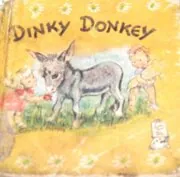
Dinky Donkey
by Eilis DIllon
1950
This small animal story follows a determined little donkey whose size does not stop him from causing complications. Dillon keeps the tone light and affectionate, drawing humor from stubbornness and small mishaps.
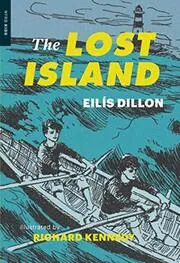
The Lost Island
by Eilis DIllon
1952
Michael learns that his missing father may still be alive on the legendary island he vanished seeking. With only scraps of evidence, Michael and his friend Joe head into dangerous seas after answers and treasure.
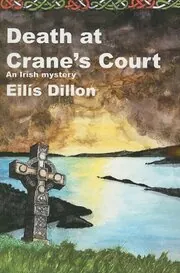
Death at Crane's Court
by Eilis DIllon
1953
Sent to a Galway hotel to live quietly with a weak heart, George Arrow instead witnesses a nest of grudges around the new owner. When the man is murdered, Inspector Mike Kenny must sort truth from performance.
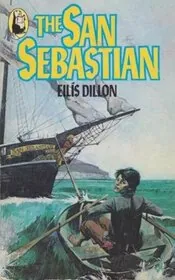
The 'San Sebastian'
by Eilis DIllon
1953
After a night of storms, young Pat Hernon sees a beautiful ship lying off the Connemara coast and cannot let the mystery rest. His curiosity leads to danger, deceit, and a sea voyage to Brittany.
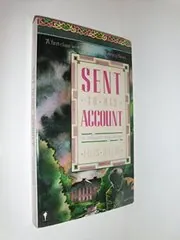
Sent to His Account
by Eilis DIllon
1954
Miles de Cogan unexpectedly inherits a title and a Wicklow estate, hoping for a fresh start. Instead he lands in village tensions and a murder case that exposes just how much resentment has been brewing.
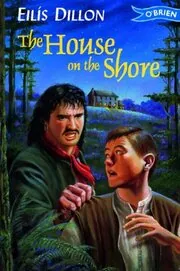
The House On The Shore
by Eilis DIllon
1955
When Jim O'Malley reaches his uncle's crumbling house on the Connemara coast, he finds secrets, old grudges, and real danger waiting. A family quarrel widens into a fast-moving struggle with thieves and the sea.
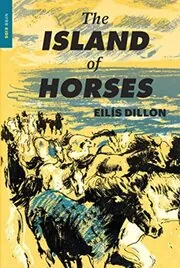
The Island of Horses
by Eilis DIllon
1956
Pat Conroy and Danny MacDonagh ignore every warning and land on a deserted island where a black colt catches their attention. Bringing the animal home entangles them with a dangerous horse trader.
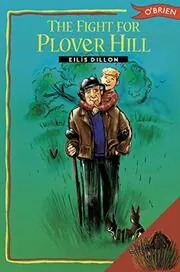
The Fight for Plover Hill
by Eilis DIllon
1957
John and his grandfather take a stand when a greedy developer threatens Plover Island and the creatures living there. Long before environmental fiction became common, Dillon turned conservation into a child-sized battle.
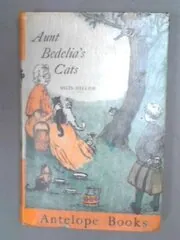
Aunt Bedelia's Cats
by Eilis DIllon
1958
Aunt Bedelia's household has a problem, and her cats prove far more useful than anyone expects. It is a small, funny story that lets Dillon's fondness for animals lead the way.
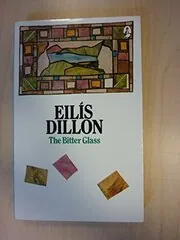
The Bitter Glass
by Eilis DIllon
1958
A group of young people on holiday in Connemara are cut off as the Irish Civil War closes around them. Illness, fear, and isolation force each of them to face who they really are.
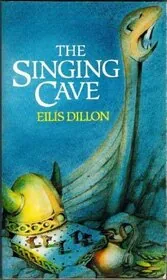
The Singing Cave
by Eilis DIllon
1959
Pat discovers a hidden Viking hoard in a cave on the western coast, only for the treasure to vanish almost at once. He and Tom Joyce must follow the trail across sea and country to recover it.
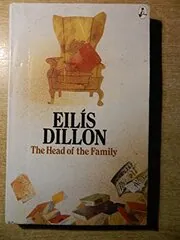
The Head of the Family
by Eilis DIllon
1960
In Dublin, the aging writer Roger Mallon rules a crowded household with wit, vanity, and secrecy. Long-buried tensions flare when a young admirer and an American scholar get too close.
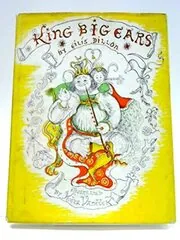
King Big-Ears
by Eilis DIllon
1961
When a witch's spell leaves an entire kingdom with enormous ears, a cobbler's apprentice becomes its best hope. This fairy tale mixes comic invention with dragons, false heroes, and a hard-won happy ending.
The fort of gold
by Eilis DIllon
1961
A strange new schoolmaster arrives on Inishdara, followed by men who seem even less trustworthy. Soon the island's old story of buried Spanish gold feels dangerously real.

Pony and Trap
by Eilis DIllon
1962
Michael and the other choir children need a pony and trap, and finding them proves much harder than talking about them. Dillon makes a small practical problem feel lively, funny, and full of teamwork.
The Cats Opera
by Eilis DIllon
1962
John Mulligan discovers that his cat Simon conducts a secret opera for cats at the Romano Opera House. Part fantasy and part comic adventure, it turns an ordinary world strange for one memorable night.

The "Coriander"
by Eilis DIllon
1963
A shipwreck brings an injured doctor to the remote island of Inishgillan, and the locals are too desperate to let him go. Their plan collides with an old island feud and a string of risky choices.

A Family of Foxes
by Eilis DIllon
1964
When two silver foxes wash ashore, a group of island boys hides them from locals who fear the species. Things grow harder when the vixen has cubs and secrecy becomes almost impossible.
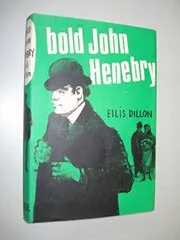
Bold John Henebry
by Eilis DIllon
1965
John Henebry rises from poverty and radical politics to comfort and influence, but the climb costs more than he expects. Dillon uses one man's life to track the bargains hidden inside Irish success.

The Lion Cub
by Eilis DIllon
1966
After a zoo visit, Mark Ward smuggles a lion cub home in a picnic bag and hides it on the family farm. The fun does not last long, and keeping the cub safe becomes a real problem.

The Road to Dunmore
by Eilis DIllon
1966
John sets out for the seaside, violin in hand, expecting nothing more than a lift down the road. Instead he runs into a chain of odd surprises that turn a simple trip into an adventure.

The Sea Wall
by Eilis DIllon
1966
A west-coast island community faces the threat of a tidal wave, and everyone has a part to play. Dillon turns practical work, fear, and local knowledge into a quietly gripping survival story.
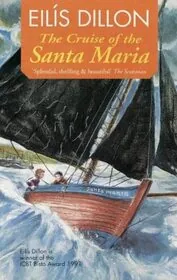
The Cruise of the Santa Maria
by Eilis DIllon
1967
After a storm, Pat Hernon spots a beautiful ship below his Connemara home and is drawn into its mystery. The trail leads across dangerous seas to Brittany and back again.
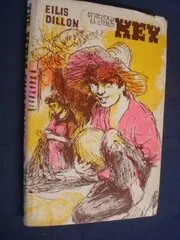
The key
by Eilis DIllon
1967
In a Basque village, the women are banned from using the landlord's well, and young Paco is drawn into the dispute. With Aunt Maria's help, he finds a clever way to challenge unfair power.
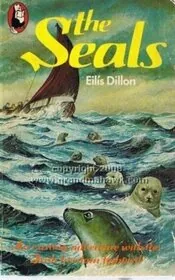
The Seals
by Eilis DIllon
1968
Set on Ireland's west coast during the War of Independence, this adventure sends boys into real danger as they try to protect a hunted man. Rough seas, secrecy, and divided loyalties give the story its tension.

A Herd Of Deer
by Eilis DIllon
1969
When deer begin disappearing from a herd, a fifteen-year-old boy is hired by an unpopular newcomer to find out why. The search becomes a tense look at suspicion, loyalty, and life in a rural community.
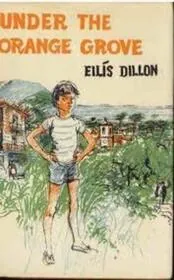
Under the Orange Grove
by Eilis DIllon
1969
Nino's family has farmed an orange grove near Pompeii for generations, but ancient ruins discovered beneath it change everything. As money and history pull in opposite directions, he has to decide what can be saved.

The Wise Man on the Mountain.
by Eilis DIllon
1970
A poor farmer complains that his crowded house is unbearable, and a wise man offers strange advice. This warm folktale builds to a simple, funny lesson about perspective and contentment.

Five Hundred
by Eilis DIllon
1972
A stolen Fiat 500 in a Roman market kicks off this brisk mystery-adventure. What starts as an everyday theft grows into a chase through the city, with young characters forced to think fast.
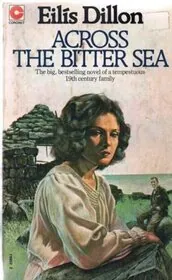
Across the Bitter Sea
by Eilis DIllon
1973
Beginning in the aftermath of the Great Famine, this big historical novel follows Morgan Connolly, Samuel Flaherty, and Alice McDonagh through decades of love, class conflict, and Ireland's struggle for independence.
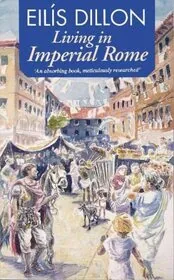
Living in Imperial Rome
by Eilis DIllon
1974
A lively nonfiction portrait of ancient Rome, centered on how people actually lived under the emperors. Dillon explains streets, houses, work, entertainment, and class in a way younger readers can follow.
Rome Under the Emperors
by Eilis DIllon
1975
This accessible history introduces daily life in ancient Rome under the emperors. Dillon focuses less on dates and battles, and more on what cities, homes, work, and power felt like for ordinary people.

King's Room
by Eilis DIllon
1977
Set in wartime Italy, this mystery circles a large house outside Frascati and the secrets hidden inside it. Dillon keeps the stakes personal, with suspicion rising as the past starts to show through.

The Shadow Of Vesuvius
by Eilis DIllon
1977
In Pompeii, the Greek slave Timon hopes for freedom while learning his trade from the painter Scrofa. As danger gathers around the city and the volcano stirs, escape becomes a desperate race.
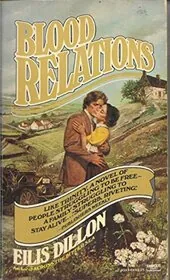
Blood Relations
by Eilis DIllon
1978
The sequel to Across the Bitter Sea widens the story into the painful making of twentieth-century Ireland. Family ties, political loyalties, and private losses all matter as national history turns personal.
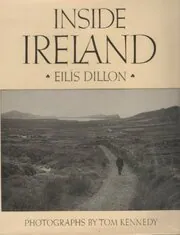
Inside Ireland
by Eilis DIllon
1982
Part memoir, part history, and part portrait of place, this book follows Dillon through family stories, childhood memories, and travels across Ireland. It offers a personal way into the country's past and everyday life.

Wild Geese
by Eilis DIllon
1983
Moving between Ireland, France, and America, this sweeping historical novel follows Irish lives through the upheavals of the eighteenth century. It is a story of exile, loyalty, and survival across two revolutions.
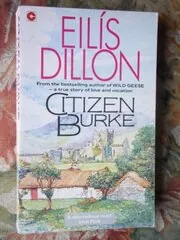
Citizen Burke
by Eilis DIllon
1984
James Burke, an Irish priest in post-Revolutionary France, finds faith, politics, and personal conviction pulling in different directions. Dillon turns a historical life into an intimate story about belief, exile, and change.

The Horse-fancier
by Eilis DIllon
1985
A brief late children's story centered on a love of horses and the complications that follow. Dillon keeps the scale small and human, turning an everyday obsession into a warm, lightly comic tale.
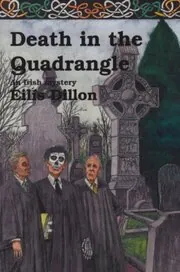
Death in the Quadrangle
by Eilis DIllon
1986
Retired Professor Daly returns to a university expecting to lecture, only to learn he has been summoned because someone is threatening the president. When murder follows, Inspector Kenny faces a campus full of suspects.
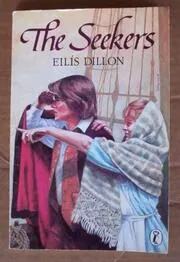
The Seekers
by Eilis DIllon
1986
Set in the age of the Pilgrim Fathers, this historical adventure follows young lives pulled between England and the New World. Dillon mixes romance, travel, and danger without losing sight of the human cost.

The Interloper
by Eilis DIllon
1988
Set against the bitterness of the Irish Civil War and its long shadow, this historical novel follows three people caught between love, memory, and divided loyalties. Old violence keeps breaking into the present.
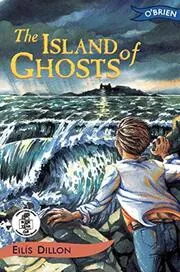
The Island of Ghosts
by Eilis DIllon
1989
Dara and Brendan help an eccentric older man sail to a forbidden island, then discover he has no intention of letting them leave. Believed drowned at home, they must wait for their sisters to attempt a rescue.
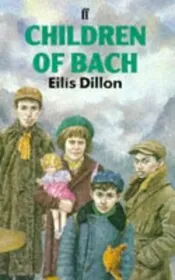
Children of Bach
by Eilis DIllon
1992
In Nazi-occupied Hungary, Peter, Suzy, and little Pali flee after their Jewish parents are arrested. Their dangerous journey toward Italy tests who they can trust, and music becomes part of their hope.

Down in World Dillon
by Eilis DIllon
1995
When a bank manager tries to sell the Burke family's house over their heads, Patrick, Laura, Clara, and little Daniel fight back. Their campaign of scares, tricks, and stubborn teamwork turns a family crisis into lively comic resistance.
Where to start with Eilis DIllon
If you want classic Irish island adventures: The Lost Island → The Island of Horses → The Singing Cave
If you want crime and suspense: Death at Crane's Court → Sent to His Account → Death in the Quadrangle
If you want sweeping Irish history: Across the Bitter Sea → Blood Relations → The Interloper
If you want later historical novels for younger readers: The Shadow Of Vesuvius → The Island of Ghosts → Children of Bach
Eilis DIllon sub-series and character series
Inspector Kenny Mystery books in order
Explore this seriesInspector Kenny Mystery books in chronological order
Eilis DIllon collections, short stories, and related book types
Picture Books
Chapter Books
Non-Fiction
Standalone Eilis DIllon books
Author bio
Eilís Dillon was born in Galway on March 7, 1920, and spent part of her childhood in Barna, a fishing village just west of the city. She grew up hearing Irish spoken around her and absorbing the weather, speech, and coastline of Connemara, details that would later give her books their strong sense of place. History was close at hand too. Her mother, Geraldine Plunkett, was the sister of Joseph Mary Plunkett, one of the leaders executed after the 1916 Rising, so politics and memory were part of family life from the beginning.
Those early landscapes never really left her.
She was educated by the Ursuline nuns in Sligo and then sent to work in the hotel and catering trade in Dublin. In 1940, at the age of twenty, she married Cormac Ó Cuilleanáin, who later became Professor of Irish at University College Cork. While raising three children, one of them the future poet Eiléan Ní Chuilleanáin, and running a student hostel connected to the university, Dillon kept writing. Poetry and stories had always been with her, but in Cork writing became daily work, fitted in around family life rather than kept apart from it.
She wrote through the middle of ordinary life.
Her first books were in Irish, but many readers first meet her through the English-language adventures that followed. The Lost Island was a turning point, and books such as The Island of Horses, The Singing Cave, and The Coriander helped make her a central name in Irish children's writing. Readers still like these novels for their capable young protagonists, their island communities, and the way practical work, weather, and danger all feel real. Dillon was very good at showing children solving problems for themselves, without making them sound older than they were.
She also moved easily into adult fiction. Her detective novels, including Death at Crane's Court and Death in the Quadrangle, use crime plots to explore hotels, villages, and universities full of watchful people and half-hidden motives. Her larger historical novels went wider. Across the Bitter Sea and Blood Relations trace family lives through the making of modern Ireland, while The Interloper returns to the wounds of the Civil War. Across all of them, she kept coming back to loyalty, memory, class, and the pressure history puts on private lives.
Italy mattered too.
In the 1960s, her husband's failing health led to a move to Rome, and Dillon used that experience in books such as Under the Orange Grove, The Shadow Of Vesuvius, and Living in Imperial Rome. After Cormac's death in 1970, she married the critic Vivian Mercier in 1974, and later divided her time between Ireland and California. Her later work stayed lively and curious. The Island of Ghosts brought her one of her biggest late successes, and Children of Bach, published near the end of her life, followed Jewish children trying to escape wartime Hungary. Dillon died in Dublin on July 19, 1994, after publishing fifty books. The range is striking, but what holds it all together is her clear eye for place, family, and the stubborn courage of ordinary people.






Edited by
Software engineer whose passion for tracking book recommendations from podcasts inspired the creation of MRB.
Lead investor at 3one4 Capital whose startup expertise and love for books helped shape MRB and its growth.
Comments
Did we miss something? Have feedback?
Help us improve this page by sharing your thoughts