
Dominick Dunne Books in Order
Find all the Dominick Dunne books in order, with short summaries, where to start tips, and a guide to his society novels, memoir, and true crime writing.
Last updated:
As an Amazon Associate, we earn from qualifying purchases (at no extra cost to you).
Dominick Dunne books in publication order
11 books
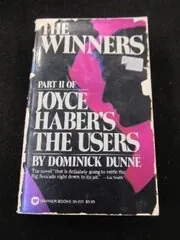
The Winners
by Dominick Dunne
1982
Mona Berg claws her way from secretary to power player in a ruthless Hollywood talent agency, remaking herself and the people around her as she climbs. It is a glossy, mean look at fame, sex, and ambition in the movie business.
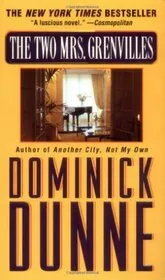
The Two Mrs. Grenvilles
by Dominick Dunne
1985
When wealthy heir Billy Grenville marries showgirl Ann Arden, his family is horrified and New York society starts watching. After a gunshot changes everything, Dunne turns class snobbery and family loyalty into a sleek, tense scandal novel.
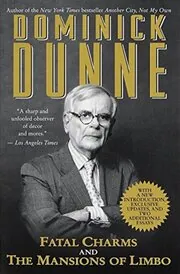
Fatal Charms and Other Tales of Today
by Dominick Dunne
1987
This essay collection brings together Dunne's close-up reporting on the rich, famous, and infamous. He moves from glamour to scandal with ease, showing how celebrity, money, and crime often live much closer together than they appear.
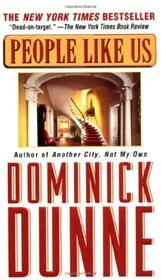
People Like Us
by Dominick Dunne
1988
When Elias and Ruby Renthal move from Cincinnati to New York and turn their millions into billions, society has to make room for them. Gus Bailey watches old money, new money, and old secrets collide in this wicked social comedy.
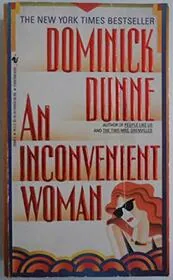
An Inconvenient Woman
by Dominick Dunne
1990
Billionaire Jules Mendelson risks his carefully arranged life when he falls for actress and waitress Flo March. As Flo learns what really holds his world together, Dunne builds a tense story of money, secrecy, and the price of telling the truth.

Mansions of Limbo
by Dominick Dunne
1991
In these profiles and reported pieces, Dunne tours a world of celebrities, financiers, scandals, and violent crime. The pleasure is in his insider's eye, and in the way he notices how money changes the rules for almost everyone involved.
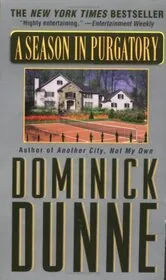
A Season in Purgatory
by Dominick Dunne
1993
True crime writer Harrison Burns finally breaks his silence about a Connecticut murder tied to the wealthy Bradley family. What follows is a reckoning with old loyalties, buried guilt, and the kind of power that expects to outlive scandal.
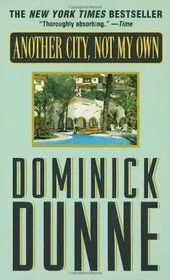
Another City, Not My Own
by Dominick Dunne
1997
Gus Bailey lands in Los Angeles to cover the O. J. Simpson trial and ends up shuttling between the courthouse and the city's glittering dinner tables. Dunne turns a media circus into a sharp novel about celebrity, gossip, and justice.
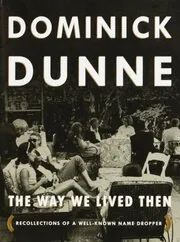
The Way We Lived Then
by Dominick Dunne
1999
Part photo album and part memoir, this book looks back at Dunne's years in New York and Hollywood, the parties he loved, and the collapse that changed his life. It is candid, nostalgic, and tougher on himself than you might expect.
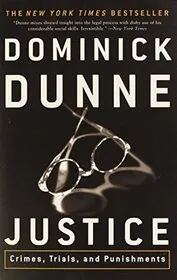
Justice
by Dominick Dunne
2001
This collection gathers Dunne's reporting on famous trials, from the case of his daughter Dominique's killer to O. J. Simpson and the Menendez brothers. He focuses on the human drama in the courtroom, and on how wealth and status can twist justice.
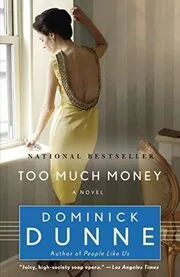
Too Much Money
by Dominick Dunne
2009
High society journalist Gus Bailey is hit with a slander suit just as he starts probing the suspicious death of billionaire Konstantin Zacharias. The more he digs, the more dangerous the widow and her circle become.
Where to start with Dominick Dunne
If you want the classic society scandal novel: The Two Mrs. Grenvilles → An Inconvenient Woman → People Like Us
If you want Gus Bailey's insider view: People Like Us → Another City, Not My Own → Too Much Money
If you want courtroom heat and family secrets: A Season in Purgatory → Justice
If you want Dunne's own story: The Way We Lived Then → Fatal Charms and Other Tales of Today → Mansions of Limbo
Dominick Dunne collections, short stories, and related book types
Short Story Collections
Non-Fiction
Standalone Dominick Dunne books
Author bio
Dominick Dunne was born in Hartford, Connecticut, in 1925 and grew up in nearby West Hartford in a wealthy Irish Catholic family. He later wrote and spoke about feeling like an outsider there, even with money and social standing around him. That mix of access and distance stayed with him, and it helped shape the sharp, watchful way he wrote about class, power, and the people who think rules are for somebody else.
World War II came first. Dunne served in the Army, saw combat in Europe, and received a Bronze Star. After the war he graduated from Williams College, moved to New York, and found work in early television as a stage manager on shows like Howdy Doody and Robert Montgomery Presents. Live TV suited him. It was fast, messy, social, and full of nerves.
Hollywood followed.
In Los Angeles, Dunne worked in television and then film, producing projects such as The Boys in the Band, The Panic in Needle Park, and Play It as It Lays. He and his wife, Ellen Griffin, known as Lenny, raised their family in that world and became known for big parties and famous friends. For a while he seemed built for it, part host, part operator, part fascinated observer.
Then the life he had built started to come apart.
By the late 1970s, drinking and drug use had wrecked his career. Dunne left Hollywood, went to a cabin in Oregon, got sober, and began writing fiction in earnest. His first novel was The Winners, but the book that really announced him was The Two Mrs. Grenvilles, a rich-people murder story drawn from old American scandal. Readers who like Dunne tend to like the same thing he liked: beautiful rooms, ugly behavior, and the quiet knowledge that money can hide almost anything.
That became his territory. People Like Us and An Inconvenient Woman pick apart New York and Los Angeles society, where hostesses, lawyers, mistresses, fixers, and journalists all circle the same money. A Season in Purgatory goes darker, following a buried killing and a powerful family that assumes the past can be managed forever. Even when the plots are fictionalized, the pressure points are real: class anxiety, loyalty, humiliation, ambition, and the way a scandal moves from whispers at dinner to a courtroom.
Everything changed again in 1982, when his daughter Dominique was killed by her former boyfriend, John Sweeney. Dunne kept a journal during the trial, and that account became the piece that opened the door to his second career as a writer on crime and justice. From there he became a longtime special correspondent for Vanity Fair, covering the trials of Claus von Bulow, the Menendez brothers, O. J. Simpson, Michael Skakel, and others. The grief never left his work, but it gave it a harder moral edge.
He found a second act when most people would have folded.
Late in life, Dunne moved easily between genres. He wrote Another City, Not My Own, which uses his reporter's eye to turn the Simpson trial into a novel, and Justice, a collection of his true crime reporting. He also looked back in The Way We Lived Then, a memoir with photographs that is both gossipy and surprisingly frank about failure, addiction, and regret. In his last years he lived between Manhattan and Hadlyme, Connecticut, kept writing, and kept showing up for big trials. He died in 2009, not long after finishing Too Much Money, his final novel.


Edited by
Software engineer whose passion for tracking book recommendations from podcasts inspired the creation of MRB.
Lead investor at 3one4 Capital whose startup expertise and love for books helped shape MRB and its growth.
Comments
Did we miss something? Have feedback?
Help us improve this page by sharing your thoughts