
David Zindell Books in Order
Explore David Zindell books in order, with short summaries, series guides, and clear tips on where to start with Neverness, The Ea Cycle, and more.
Last updated:
As an Amazon Associate, we earn from qualifying purchases (at no extra cost to you).
David Zindell books in publication order
13 books
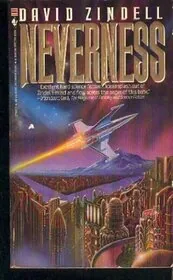
Neverness
by David Zindell
1988
Mallory Ringess trains as a pilot in a far-future order of mathematician navigators and joins a quest for secrets hidden in human DNA. His search carries him from the ice city of Neverness into deep space, strange minds, and the lure of transcendence.
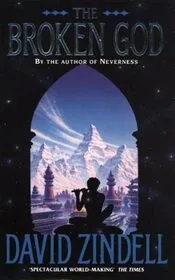
The Broken God
by David Zindell
1992
After a plague destroys his tribe, Danlo the Wild reaches the icy city of Neverness and learns he may be key to saving others. His education as pilot and seeker opens into a dangerous clash of faith, science, and power.
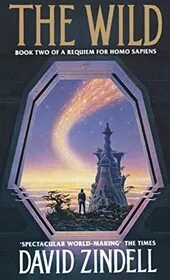
The Wild
by David Zindell
1995
Danlo pilots into the Wild, beyond mapped space, searching for his father, the Architects, and a cure for the plague that killed his people. The journey becomes a hunt for truth in places where reality itself feels unstable.

War in Heaven
by David Zindell
1998
Danlo wi Soli Ringess is drawn into a final struggle between rival faiths, vast AIs, and a weapon that can destroy civilizations. The last Neverness book turns cosmic war into a test of love, memory, and nonviolence.
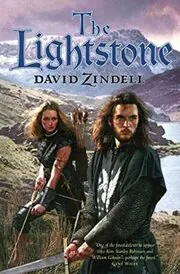
The Lightstone
by David Zindell
2001
Valashu Elahad, youngest prince of Mesh, joins a desperate search for the lost Lightstone, the one relic that might stop Morjin's growing power. What begins as a grail quest becomes a test of courage, mercy, and leadership.
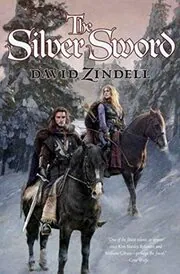
The Silver Sword
by David Zindell
2002
In this continuation of Valashu's first great quest, the road to the Lightstone leads through deeper danger, old prophecies, and enemy lands. Victory seems close, but illusion, sacrifice, and Morjin's reach make every gain uncertain.
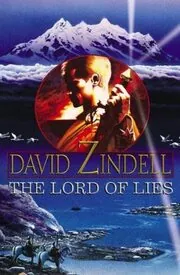
Lord of Lies
by David Zindell
2003
After wresting the Lightstone from Morjin, Valashu finds that triumph solves nothing. Revenge, prophecy, and self-doubt close in, and he must face the darker question at the heart of the series, whether evil can be fought without becoming it.
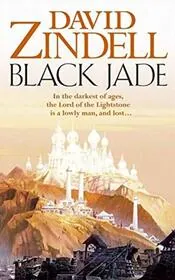
Black Jade
by David Zindell
2005
After losing the Lightstone, Valashu turns to the cursed Black Jade, a relic that can reveal the darkness inside him. To stop Morjin, he may have to use powers that threaten his soul, his friends, and everything he still hopes to save.
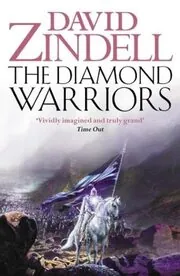
The Diamond Warriors
by David Zindell
2007
Valashu must reclaim Mesh, rally the Diamond Warriors, and face Morjin in the war the whole cycle has been building toward. The finale turns kingship, prophecy, and compassion into matters of survival for an entire world.
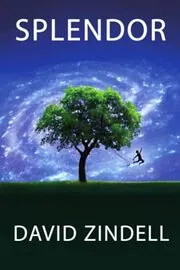
Splendor
by David Zindell
2015
Part memoir, part spiritual inquiry, Splendor follows Zindell through childhood, fear of nuclear war, adventure, love, fatherhood, and writing. It asks how a person might live fully in a violent world without giving up wonder.
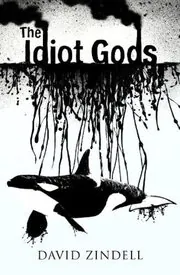
The Idiot Gods
by David Zindell
2017
Arjuna, an orca from the Arctic, sets out to ask humanity why it is destroying the world. Captivity, failed first contact, and a fragile bond with a human linguist turn his journey into a plea for life on earth.

Shanidar: And Other Stories
by David Zindell
2020
This collection gathers early Zindell stories, including the title piece that opens the door to Neverness. Expect strange futures, hard choices, and characters pushed toward questions of memory, transformation, and what being human might still mean.
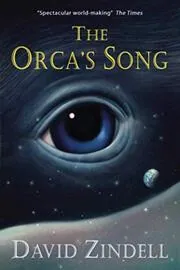
The Orca's Song
by David Zindell
2021
An orca named Arjuna leaves his family to seek the humans he calls the Idiot Gods. His attempt at first contact becomes a painful, searching story about captivity, communication, and whether a damaged planet can still be saved.
Where to start with David Zindell
For the full far-future saga: Neverness → The Broken God → The Wild → War in Heaven
For epic fantasy first: The Lightstone → Lord of Lies → Black Jade → The Diamond Warriors
If you want the split-edition opening of The Ea Cycle: The Lightstone → The Silver Sword → Lord of Lies
For a shorter sampler before the big books: Shanidar: And Other Stories → Neverness
David Zindell sub-series and character series
The Neverness Cycle books in order
Explore this seriesThe Neverness Cycle books in chronological order
David Zindell collections, short stories, and related book types
Non-Fiction
Collections
Standalone David Zindell books
Author bio
David Zindell was born in Toledo, Ohio, on November 28, 1952. He spent part of his childhood in Ann Arbor, Michigan, and has said he was raised across the Midwest and the East Coast. Long before he thought of himself as a writer, he was the math kid, the boy who liked numbers, mountains, and very large questions.
He also read constantly.
Zindell did not take a straight path into publishing. He spent time at Bard College, then headed west and lived the kind of life that later feels very natural for his fiction, skiing, climbing, bartending, thinking, and trying to write in Colorado. He later studied mathematics at the University of Colorado Boulder, while continuing to teach himself how to make stories big enough for the ideas that interested him.
The real break came from stubbornness. By his own account, he finished a science fiction novel he disliked so much that he decided he had to try doing better himself. After years of practice, his story Shanidar won the Writers of the Future contest, and that opened the door to a novel set in the same far-future world. That novel became Neverness.
That book made his name. Neverness follows Mallory Ringess, a young pilot in a far-future order of mathematicians and seekers, and it already shows the things Zindell would keep coming back to: hard science, spiritual hunger, dangerous quests, and people chasing truth even when it costs them dearly. He followed it with The Broken God, The Wild, and War in Heaven, a linked sequence that shifts toward Mallory's son Danlo and asks even bigger questions about memory, violence, evolution, and what a human being might become.
Then he changed gears without really changing his interests.
In The Lightstone and the rest of The Ea Cycle, Zindell moved from far-future science fiction into epic fantasy. The tools changed, swords instead of starships, kingdoms instead of galactic orders, but the deeper concerns stayed familiar. These books care about conscience, compassion, corruption, grief, friendship, and the danger of using power for the right reason in the wrong way. Readers who connect with Zindell usually come for the scale, then stay for the moral pressure he puts on his heroes.
His later work shows that he was never interested in staying in one lane. The Idiot Gods, later retitled The Orca's Song, tells a planetary story through the eyes of an orca trying to understand humanity. Splendor turns inward and becomes memoir, tracing childhood, fear of nuclear war, adventure, love, fatherhood, and the search for the life behind the books.
Across all these novels, certain patterns keep returning. Zindell writes quests, but they are rarely just about finding an object or winning a war. He is interested in consciousness, memory, moral choice, human evolution, and the uneasy pull between the wild and the civilized. Even when his stories get cosmic, they stay rooted in longing, loss, and the hope that people might become better than they are.
In recent years, he has remained closely tied to his work through new editions and reflections, and he has long been based in Colorado. That feels fitting. His books are full of cold air, hard climbs, dangerous beauty, and people trying to see farther than they did the day before.




Edited by
Software engineer whose passion for tracking book recommendations from podcasts inspired the creation of MRB.
Lead investor at 3one4 Capital whose startup expertise and love for books helped shape MRB and its growth.
Comments
Did we miss something? Have feedback?
Help us improve this page by sharing your thoughts