
Dark One Graphic Novels Books in Order
Part ofBrandon Sanderson Books in OrderExplore the Dark One graphic novels by Brandon Sanderson in order, with quick summaries, reading order notes, series background, and where to start.
Last updated:
As an Amazon Associate, we earn from qualifying purchases (at no extra cost to you).
Dark One Graphic Novels books in publication order
1 book
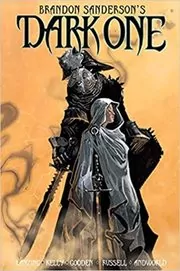
Dark One Volume 1
by Brandon Sanderson
2020
Paul Tanasin is haunted by visions of Mirandus and a role he doesn’t want: the Dark One of prophecy. When the visions prove real, he’s pulled into a conflict where “heroes” and “villains” may be telling the story wrong.
Dark One Graphic Novels books in chronological order
Series background & context
Dark One is a portal‑fantasy story with a twist: the person having visions of another world isn’t the chosen hero. He’s the prophesied villain. In the graphic novels, that person is Paul Tanasin, an ordinary guy on Earth who keeps dreaming scenes from Mirandus, a fantasy realm at war. The dreams aren’t random. They’re prophecies, and they’re pulling him toward a role he wants no part of.
The first volume, Dark One Volume 1, sets up the central tension fast. Paul’s visions begin to line up with real events, and he’s forced to take the idea of Mirandus seriously. Over there, people are watching the prophecy too—heroes, tyrants, and believers who all have their own reasons for wanting the Dark One to rise. The result is a story that keeps asking: if the world tells you you’ll become a monster, how hard do you have to fight to stay yourself?
Fate is the antagonist here.
Paul’s day‑to‑day problems don’t magically disappear just because he has cosmic visions. He still has relationships to manage, bills to pay, and the very normal fear of being seen as unstable. That grounded pressure matters, because it makes the prophecy feel less like a fun fantasy hook and more like an unwanted diagnosis. Meanwhile, Mirandus is full of people who treat prophecy like a weapon—something to aim at enemies, or at the future itself.
What makes the graphic‑novel format work especially well is how cleanly it can cut between worlds. Earth scenes stay grounded and contemporary, then the page turns and you’re in a setting full of castles, armies, and mythic stakes. The contrast makes both halves sharper: Mirandus feels stranger because it’s seen through Paul’s confusion, and Earth feels more fragile because it’s clearly not prepared for a prophecy‑driven invasion of meaning.
The series leans into moral gray areas rather than simple good‑versus‑evil. Paul isn’t a cackling bad guy, and the “heroes” of Mirandus aren’t automatically trustworthy. Everyone has a story about why they’re right, and the prophecy becomes a tool people try to use—whether Paul cooperates or not.
If you’re deciding where to start, start with Dark One Volume 1 and follow the graphic novels in order. This page keeps the pieces organized, with reading order, quick summaries, and enough background to help you track the prophecy, the factions, and the ways the two worlds start to collide.







Edited by
Software engineer whose passion for tracking book recommendations from podcasts inspired the creation of MRB.
Lead investor at 3one4 Capital whose startup expertise and love for books helped shape MRB and its growth.
Comments
Did we miss something? Have feedback?
Help us improve this page by sharing your thoughts