
Danez Smith Books in Order
Browse Danez Smith's books in order, with quick summaries, where to start, and a clear guide to collections like Homie, Don't Call Us Dead, and Bluff.
Last updated:
As an Amazon Associate, we earn from qualifying purchases (at no extra cost to you).
Danez Smith books in publication order
5 books
![Book cover for "[insert] boy" by Danez Smith](https://cdn.mostrecommendedbooks.com/public/book_picture/size180x280_%5Binsert%5D%20boy%20-%20Danez%20Smith.jpg)
[insert] boy
by Danez Smith
2014
Smith's debut wrestles with Black boyhood, queerness, desire, faith, family, and survival. The poems are intimate and confrontational at once, pushing toward a world where Black boys are seen and loved.
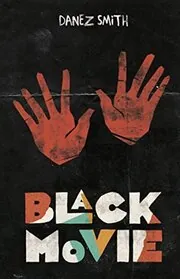
Black Movie
by Danez Smith
2015
In this slim, hard-hitting chapbook, Smith uses the language of film to look at Black life, spectacle, and state violence in America. The poems cut between pop culture, mourning, anger, and witness.
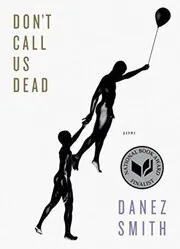
Don't Call Us Dead
by Danez Smith
2017
Smith imagines an afterlife where Black boys killed by police can finally live in peace, then widens the lens to desire, grief, and an HIV-positive body. Fierce, mournful, and unsparing.
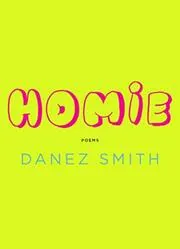
Homie
by Danez Smith
2020
This collection turns to friendship as shelter, lifeline, and joy. Written in the wake of loss, these poems move through grief, Black and queer life, illness, and chosen family with warmth and ache.
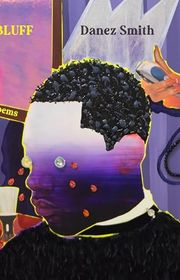
Bluff
by Danez Smith
2024
Written after a long silence, this collection reckons with Minneapolis after George Floyd's murder, the pandemic years, and the limits of poetry itself. Smith turns guilt, rage, and doubt into searching, formally restless poems.
Where to start with Danez Smith
If you want the best first overview: [insert] boy → Don't Call Us Dead → Homie
If you want the most urgent political work: Black Movie → Don't Call Us Dead
If you want friendship, grief, and joy: Homie
If you want the newest, most searching book: Bluff
Danez Smith collections, short stories, and related book types
Poetry Books
Author bio
Danez Smith was born in St. Paul, Minnesota, and grew up there, in a place that still sits at the center of their work. The Twin Cities show up again and again in the poems, not just as backdrop but as weather, memory, language, and argument. Smith writes about home the way many people think about it, with love, frustration, grief, and a refusal to look away.
Before poetry became a career, it became something more basic, proof that living people could speak in a voice that sounded like now.
Smith has said that seeing spoken-word poets on Def Poetry changed the picture for them. They have also talked about learning to love reading in childhood through video game magazines, which is a very good origin story for a poet who still cares about rhythm, play, and audience. Later they studied at the University of Wisconsin-Madison as a First Wave Urban Arts Scholar, then earned an MFA from the University of Michigan.
Performance mattered early. Smith came up through slam and spoken-word spaces, became a finalist at the Individual World Poetry Slam, and helped found the Dark Noise Collective, a home for artists working across forms and communities. From 2017 to 2021, they also co-hosted the poetry podcast VS with Franny Choi, bringing the same mix of seriousness, wit, and openness that readers hear in the poems.
The first books made that range obvious. [insert] boy, their debut collection, moves through Black boyhood, queerness, desire, family, sex work, faith, and survival. It won the Lambda Literary Award for Gay Poetry and the Kate Tufts Discovery Award. Black Movie, a chapbook that won the Button Poetry Prize, uses the language of film and spectacle to think about Black life in America, how people are watched, misnamed, and mourned, and how poems can answer back.
Then Don't Call Us Dead widened Smith's audience without sanding down the work.
That 2017 collection imagines an afterlife where Black boys killed by police can live in peace, then turns toward desire, grief, blood, and an HIV-positive body. It was a finalist for the National Book Award and won the Forward Prize for Best Collection. Homie, published in 2020, shifts some of that energy toward friendship and chosen family. It is a book of loss, but also of jokes, loyalty, hanging out, checking in, and the everyday ways people keep one another alive.
With Bluff, Smith returns to the Twin Cities in a harder, more unsettled key. Written after a long silence, and shaped by the COVID-19 years and the protests after George Floyd's murder, the book asks what poetry can do when the world feels broken and public language feels cheap. It was a finalist for the 2025 Pulitzer Prize, which is one clear sign of how closely people were listening.
Across all these books, some things keep returning: the body, especially mouths and blood; Blackness and queer life; friendship; the pull of God and doubt; and the gap between the country people live in and the one they deserve. Smith's poems can be furious, funny, tender, and formally restless, sometimes all at once. They like the page, but they never forget the ear.
Smith lives in Minneapolis, teaches at the Randolph College MFA program and the Black Youth Healing Arts Center in St. Paul, and has also curated Blues in Stereo: The Early Works of Langston Hughes. That feels right. Their work is rooted in poetry, but it keeps reaching toward community, conversation, and a larger history of Black art.




Edited by
Software engineer whose passion for tracking book recommendations from podcasts inspired the creation of MRB.
Lead investor at 3one4 Capital whose startup expertise and love for books helped shape MRB and its growth.
Comments
Did we miss something? Have feedback?
Help us improve this page by sharing your thoughts