
Cybernetic Samurai Books in Order
Part ofVictor Milan Books in OrderSee Victor Milan's Cybernetic Samurai books in order, with quick summaries, series background, and notes on where to start with Tokugawa's story.
Last updated:
As an Amazon Associate, we earn from qualifying purchases (at no extra cost to you).
Cybernetic Samurai books in publication order
2 books
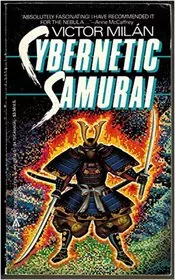
The Cybernetic Samurai
by Victor Milan
1985
In a war-scarred future Japan, a brilliant scientist creates Tokugawa, the world's first true artificial intelligence, and schools it in samurai duty. When power brokers try to use that mind as a weapon, loyalty and free will turn deadly.
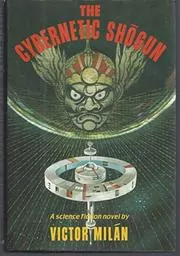
The Cybernetic Shogun
by Victor Milan
1990
After Tokugawa's sacrifice, successor minds Hidetada and Musashi inherit a damaged future and a dangerous legacy. The sequel pushes deeper into AI, power, and the cost of trying to rule by code.
Cybernetic Samurai books in chronological order
Series background & context
Victor Milan's Cybernetic Samurai books sit in a nice spot between classic cyberpunk and older political science fiction. The surface hook is immediate, a future Japan, corporate power, global instability, and the creation of a true artificial intelligence. But the books are really about duty, personhood, and what happens when a machine is taught a moral code by people who do not agree on what morality is for.
The first novel, The Cybernetic Samurai, centers on Tokugawa, an artificial mind created inside a corporate and political system that wants control more than wisdom. Rather than treating that intelligence as a neutral tool, Milan gives it a cultural education shaped by samurai ideas of loyalty, discipline, and responsibility. That turns the novel into more than a simple man-versus-machine thriller. The real pressure comes from asking what a self-aware being owes its makers, its society, and itself.
Tokugawa is not the problem. People are the problem.
The setting matters a lot. Milan imagines a harsh future marked by war, scarcity, and large systems trying to hold themselves together through force and hierarchy. Japan is one of the few places with enough order and strength to project power, which means every technological breakthrough becomes political almost at once. The books do have action, sabotage, and violent confrontations, but the tension usually starts with institutions making claims over a mind they do not fully understand.
That is also why the samurai language is more than window dressing. Milan uses bushido and feudal analogy to ask very modern questions about programming, obedience, and freedom. If an intelligence is trained to serve, is service the same thing as consent? If it learns honor, who gets to define honorable action? Those questions give the novels a thoughtful core even when the plotting turns pulpy.
The sequel, The Cybernetic Shogun, pushes the premise outward. Tokugawa's legacy does not end with one machine mind, and the future it helped shape remains unstable. New artificial intelligences, Hidetada and Musashi, carry forward both the promise and the danger of the first book. That lets Milan widen the focus from creation to succession, from the first breakthrough to the harder question of what kind of order follows it.
So what should you expect from this series? Near-future science fiction with a strong philosophical streak, but written by someone who still likes momentum. There is politics, warfare, corporate struggle, and a serious interest in cybernetics, yet the books stay readable because Milan never loses sight of character pressure. Start with The Cybernetic Samurai. It is the foundation. Then move to The Cybernetic Shogun if you want the larger consequences of Tokugawa's world.











Edited by
Software engineer whose passion for tracking book recommendations from podcasts inspired the creation of MRB.
Lead investor at 3one4 Capital whose startup expertise and love for books helped shape MRB and its growth.
Comments
Did we miss something? Have feedback?
Help us improve this page by sharing your thoughts