
Cook County Books in Order
Part ofCharlotte Carter Books in OrderBrowse the Cook County novels by Charlotte Carter in order, with brief summaries, series background, and a clear guide to where to start.
Last updated:
As an Amazon Associate, we earn from qualifying purchases (at no extra cost to you).
Cook County books in publication order
2 books
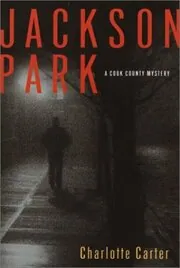
Jackson Park
by Charlotte Carter
2003
Set on Chicago's South Side after Martin Luther King Jr.'s assassination, this novel follows Cassandra as a disappearance stirs old grief and older crimes. It's a layered mystery about family history, race, and a city under strain.
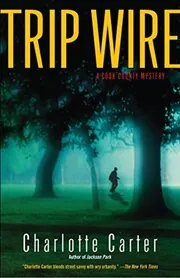
Trip Wire
by Charlotte Carter
2005
Chicago, December 1968. Cassandra Perry wants independence, but a city full of tension, violence, and distrust keeps pulling her into danger. This follow-up to *Jackson Park* mixes political unrest, family strain, and a steadily tightening mystery.
Cook County books in chronological order
Series background & context
The Cook County books are Charlotte Carter in a different register, darker, more historical, and far more interested in the pressure of place. These novels are set in Chicago in the late 1960s, a time of political violence, racial tension, grief, and rapid change. The city is not background decoration here. It shapes every choice the characters make.
At the center is Cassandra, a young woman trying to understand who she is and where she belongs while the adults around her carry older losses and older compromises. In Jackson Park, a disappearance opens the door to buried family history and a painful old murder. In Trip Wire, the mood of late 1968 closes in, and the promise of freedom is constantly checked by fear, suspicion, and the city's hard edges.
These are not cozy mysteries.
What links the books is the combination of crime story and social history. Carter pays attention to neighborhoods, kinship networks, class, and the way public events settle into private lives. The mysteries matter, but so does the emotional weather around them, who gets protected, who gets ignored, and what families choose to remember or hide.
There is a strong sense of community, but not a sentimental one. People watch out for one another, and they also fail one another. That tension gives the series its weight. Chicago's South Side and North Side feel lived in, not staged, and the period detail works because it is tied to daily life rather than dropped in as costume.
The tone is noir-leaning without losing its human core.
If you want crime fiction that treats history as something active and dangerous, the Cook County books are rewarding. They are tense, humane, and sharp about the way a city can hold both tenderness and threat at the same time.



Edited by
Software engineer whose passion for tracking book recommendations from podcasts inspired the creation of MRB.
Lead investor at 3one4 Capital whose startup expertise and love for books helped shape MRB and its growth.
Comments
Did we miss something? Have feedback?
Help us improve this page by sharing your thoughts