
Colson Whitehead Books in Order
Browse Colson Whitehead books in order, with short summaries, Ray Carney series notes, author background, and easy tips on where to start reading.
Last updated:
As an Amazon Associate, we earn from qualifying purchases (at no extra cost to you).
This series has 1 recommender.
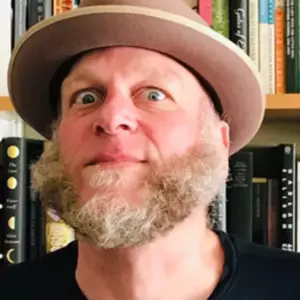
Colson Whitehead books in publication order
12 books
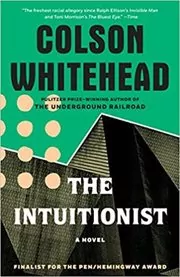
The Intuitionist
by Colson Whitehead
1999
Lila Mae Watson, the city’s first Black female elevator inspector, is blamed after an impossible elevator crash. To clear herself, she enters a fight between rival schools of inspection and uncovers a hidden future.
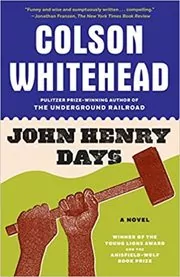
John Henry Days
by Colson Whitehead
2001
J. Sutter, a weary junketeering journalist, heads to West Virginia for a stamp ceremony honoring John Henry. The trip links folklore, media hustle, and the burden of turning a life into a legend.
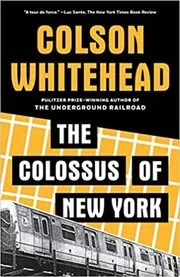
The Colossus of New York
by Colson Whitehead
2003
Whitehead’s nonfiction portrait of New York unfolds in short scenes, memories, and voices. It catches the city as a place people build in their heads, lose, rediscover, and carry with them.
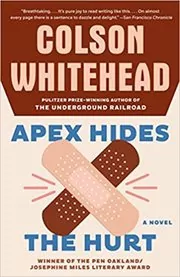
Apex Hides the Hurt
by Colson Whitehead
2006
An unnamed naming consultant arrives in Winthrop, a town divided over what it should call itself next. As factions compete to brand the future, he confronts damage hidden behind polished language.
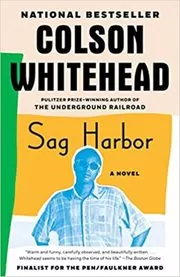
Sag Harbor
by Colson Whitehead
2009
Benji Cooper leaves his mostly white Manhattan prep school world for a summer in Sag Harbor in 1985. Friends, music, work, family, and awkward teenage rituals make this coming-of-age story quietly funny.
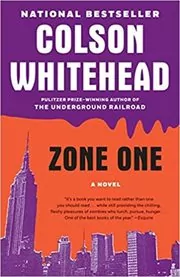
Zone One
by Colson Whitehead
2011
After a plague, Mark Spitz joins a civilian crew clearing lower Manhattan of remaining zombies. Over three days in Zone One, routine cleanup turns into a grim reckoning with trauma and collapse.
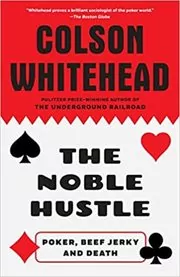
The Noble Hustle
by Colson Whitehead
2014
Whitehead enters the World Series of Poker with little casino tournament experience and six weeks to prepare. The result is a funny, anxious nonfiction account of cards, failure, Vegas, and middle age.
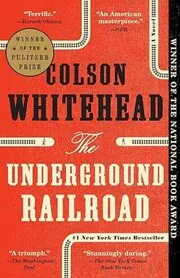
The Underground Railroad
by Colson Whitehead
2016
Cora escapes a Georgia plantation with Caesar and discovers that the Underground Railroad is a real subterranean train. As a slave catcher pursues her, each stop exposes another face of American violence and hope.
Recommended by
5 people Oprah Winfrey recommended this book
Oprah Winfrey
"Every now and then a book comes along that reaches the marrow of your bones, settles in, and stays forever. This is one." - Oprah Winfrey
Oprah Winfrey's recommendation of this book  John Legend recommended this book
John Legend
John Legend mentioned this book on Twitter.
John Legend's recommendation of this book 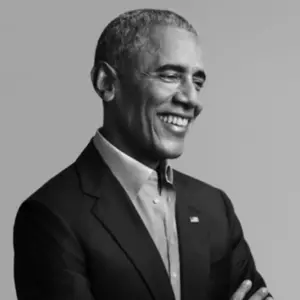 Barack Obama recommended this book
Barack Obama
Barack Obama's "2016 Summer Reading List."
Barack Obama's recommendation of this book  Sarah Jessica Parker recommended this book
Sarah Jessica Parker
"Magnificent." - Sarah Jessica Parker
Sarah Jessica Parker's recommendation of this book 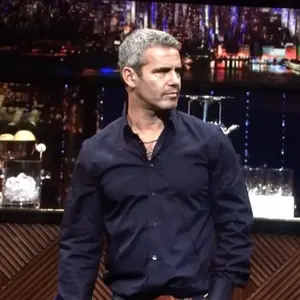 Andy Cohen recommended this book
Andy Cohen
Andy Cohen recommended this book on Twitter.
Andy Cohen's recommendation of this book
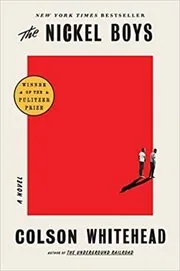
The Nickel Boys
by Colson Whitehead
2019
In Jim Crow-era Florida, idealistic Elwood Curtis is sent to the brutal Nickel Academy after one unfair turn. His friendship with Turner becomes a test of conscience, survival, and what justice can cost.
Recommended by
1 person- Barack Obama recommended this book
Barack Obama
Barack Obama's favorite books of 2019 list.
Barack Obama's recommendation of this book
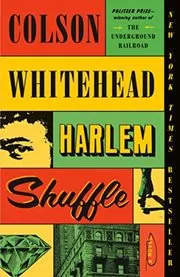
Harlem Shuffle
by Colson Whitehead
2021
Ray Carney sells furniture on 125th Street and tries to keep his life respectable. When cousin Freddie pulls him into the Hotel Theresa robbery, Ray’s side business as a fence gets harder to hide.

Crook Manifesto
by Colson Whitehead
2023
In 1970s Harlem, Ray Carney wants to stay clean, until a hunt for Jackson 5 tickets reconnects him with crooked cop Munson. Soon Ray and Pepper are navigating fires, favors, politics, and payback.

Cool Machine
by Colson Whitehead
2026
The Ray Carney saga moves into 1980s New York, where real estate, money, and old ghosts reshape the city. Ray risks one more job for his family, while Pepper is pulled into downtown trouble.
Where to start with Colson Whitehead
If you want his best-known historical novels: The Underground Railroad → The Nickel Boys.
For the Harlem crime saga: Harlem Shuffle → Crook Manifesto → Cool Machine.
If you like sharp, strange early fiction: The Intuitionist → John Henry Days → Apex Hides the Hurt.
For a more personal New York thread: The Colossus of New York → Sag Harbor → The Noble Hustle.
If you want horror with a city beat: Zone One.
Colson Whitehead sub-series and character series
Colson Whitehead collections, short stories, and related book types
Short Story Collections
Non-Fiction
Standalone Colson Whitehead books
Author bio
Colson Whitehead was born in New York City in 1969 and raised in Manhattan. He grew up with the city as a daily presence, streets, subways, school, noise, and all the little systems people learn to navigate without thinking about them. That interest in systems never really left his work.
His parents, Arch and Mary Anne Whitehead, ran an executive recruiting firm, and he was one of four children. Summers in the Black beach community around Sag Harbor on Long Island gave him another setting to draw on later, not as nostalgia alone, but as a place where teenagers watched class, race, music, haircuts, and family pressure collide.
Whitehead went to Trinity School in Manhattan and then Harvard, graduating in 1991. After college he returned to New York and worked at The Village Voice, writing reviews of television, books, and music. That job gave him deadlines, range, and a reason to pay close attention to popular culture.
His first completed novel did not become his debut: it was rejected more than twenty times, and his agent dropped him.
He started again.
His second try became The Intuitionist, a strange, funny novel about elevator inspectors, office politics, race, and belief. John Henry Days followed with a modern journalist circling the legend of the steel-driving man. Then came The Colossus of New York, a short, restless book about city life, and Apex Hides the Hurt, a satire about a naming consultant hired to rebrand a town.
He kept switching lanes.
Sag Harbor drew on the world of Black teenagers spending a summer in 1985 Long Island. Zone One put a survivor named Mark Spitz into a post-plague Manhattan full of the living dead and worse memories. The Noble Hustle came from Whitehead’s trip into tournament poker, where the jokes sit close to dread, as they often do in his books.
Then The Underground Railroad brought a bold turn: the secret escape network of American history became an actual railroad beneath the ground. The novel follows Cora as she runs from slavery and sees different faces of American cruelty. It won the National Book Award and the Pulitzer Prize. The Nickel Boys, inspired by the real Dozier School for Boys in Florida, won him another Pulitzer for its story of Elwood Curtis, Turner, and a reform school built on violence.
The Ray Carney books, Harlem Shuffle, Crook Manifesto, and Cool Machine, brought him back to New York through crime fiction. Ray is a furniture salesman who wants respectability but keeps getting pulled toward fencing, favors, and dangerous old ties. Whitehead still lives in New York City, and his fiction often returns to institutions, scams, work, memory, race, and the cost of pretending the past is past.






Edited by
Software engineer whose passion for tracking book recommendations from podcasts inspired the creation of MRB.
Lead investor at 3one4 Capital whose startup expertise and love for books helped shape MRB and its growth.
Comments
Did we miss something? Have feedback?
Help us improve this page by sharing your thoughts