
Clarice Lispector Books in Order
Explore Clarice Lispector's books in order with summaries, story collections, background on her life and themes, and guidance on the best novels to start with.
Last updated:
As an Amazon Associate, we earn from qualifying purchases (at no extra cost to you).
Clarice Lispector books in publication order
19 books
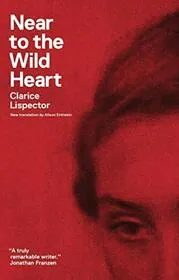
Near to the Wild Heart
by Clarice Lispector
1943
This groundbreaking debut traces flashes from the life of Joana, a fiercely independent girl who grows into a woman unwilling to fit neat domestic expectations. Written in a modernist stream of consciousness, it explores desire, freedom, and moral ambiguity.
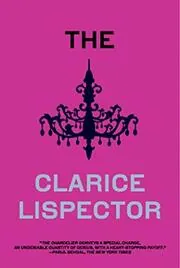
The Chandelier
by Clarice Lispector
1946
Beginning on a rural estate called Quieta Farm and ending in the city, The Chandelier follows Virgínia from childhood into a tense, solitary adulthood. Lispector tracks her shifting memories, family bonds, and fragile sense of self in dense, atmospheric scenes.
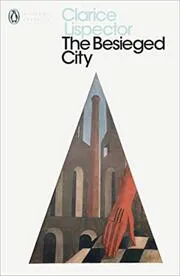
The Besieged City
by Clarice Lispector
1949
Set in the growing suburb of São Geraldo in the 1920s, this novel follows young Lucrécia Neves, more observer than thinker, as she watches her town swell into a city. Through her wandering gaze, ordinary streets and houses take on a strange, dreamlike charge.

Family Ties
by Clarice Lispector
1960
Family Ties gathers thirteen stories in which routine family rituals tilt into revelation. Housewives, children, and relatives brush against moments of shock or wonder that unsettle their roles and expose buried longings inside everyday Brazilian life.
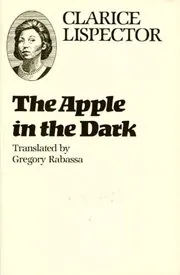
The Apple in the Dark
by Clarice Lispector
1961
Martim, believing he has killed his wife, flees into the countryside and hides on a remote ranch run by two women. As he works and talks with them, the book turns his supposed crime into a long meditation on guilt, language, and starting over.

The Foreign Legion
by Clarice Lispector
1964
This collection joins short stories with Lispector's experimental newspaper crônicas. Moving between strange fables, sharp domestic scenes, and playful essays, it circles feelings of estrangement, belonging, and what it means to be a foreigner even in familiar places.
The Passion According to G.H.
by Clarice Lispector
1964
After a well off sculptor known only as G.H. enters her former maid's room and crushes a cockroach, she is thrown into an intense mystical crisis. The novel is her raw inner account of identity breaking down and touching something vast and impersonal.

The Woman Who Killed the Fish
by Clarice Lispector
1966
In this confessional tale for young readers, a narrator who once forgot to feed her son's fish begs children for forgiveness. Along the way she spins funny, digressive stories about many animals, gently inviting readers to think about guilt, empathy, and responsibility.
An Apprenticeship, or The Book of Pleasures
by Clarice Lispector
1969
In this inward love story, primary school teacher Lóri and philosophy professor Ulisses slowly learn how to meet each other without losing themselves. The novel traces Lóri's spiritual and erotic awakening as she tests what pleasure, faith, and freedom might mean.
Água Viva / The Stream of Life
by Clarice Lispector
1973
This short, genre breaking book unfolds as a monologue from an unnamed artist addressing a mysterious you. Abandoning conventional plot, it meditates on time, perception, and the struggle to catch the present instant in language and art.

The Mystery of the Thinking Rabbit
by Clarice Lispector
1976
In this picture book, a talkative rabbit named Joãozinho keeps escaping from his locked hutch, daring readers to guess how he does it. His twitching nose points toward ideas and adventure, turning a simple escape story into a playful puzzle about animal intelligence.
The Hour of the Star
by Clarice Lispector
1977
Lispector's final novel follows Macabéa, a poor young typist from Brazil's northeast trying to survive in Rio de Janeiro, as told by a self conscious male narrator. Brief and unsettling, it probes poverty, invisibility, and the ethics of telling another's story.
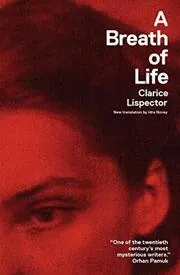
A Breath of Life
by Clarice Lispector
1978
Composed from fragments Lispector left at her death, this novel stages a dialogue between an unnamed Author and his invented character Angela Pralini. Their overlapping voices explore identity, creation, faith, and mortality more than any fixed external plot.

Soulstorm
by Clarice Lispector
1989
Drawn from two late Brazilian collections, Soulstorm's twenty nine stories plunge into the unsettled inner lives of Lispector's characters. Brief yet intense, they capture people on the edge of strange decisions and sudden insights rather than tidy, resolved plots.

Almost True
by Clarice Lispector
1999
Narrated by Lispector's dog Ulisses, this whimsical story follows a greedy fig tree, a scheming witch, and a coop full of hens who must outwit them. The dog's voice blurs truth and invention, inviting young readers to enjoy fantasy while sensing deeper questions underneath.

Complete Stories
by Clarice Lispector
2018
Complete Stories assembles all of Lispector's short fiction, from pieces she wrote as a teenager to late, enigmatic works. Teen girls, bored housewives, and lonely elders stumble into uncanny moments that make the ordinary world feel newly unstable.

Daydream and Drunkenness of a Young Lady
by Clarice Lispector
2018
This slim volume gathers three of Lispector's most celebrated stories, including the title piece and Love. Each follows a seemingly ordinary woman whose day is upended by drink, desire, or a chance encounter that cracks open her carefully arranged life.
Too Much of Life: The Complete Crônicas
by Clarice Lispector
2018
This volume gathers Clarice Lispector's newspaper crônicas, brief pieces that move from everyday scenes to sudden philosophical questions. Written late in her career, they show her thinking out loud about love, work, writing, and ordinary Brazilian life.

Covert Joy
by Clarice Lispector
2025
Selected from Complete Stories, Covert Joy highlights Lispector's most beloved tales, many centered on childhood, books, and secret pleasures. From a girl who longs for a coveted volume to uncanny domestic scenes, it pairs quiet happiness with sharp emotional shocks.
Where to start with Clarice Lispector
If you want her essential novels: Near to the Wild Heart → The Apple in the Dark → The Passion According to G.H. → The Hour of the Star.
If you prefer short stories: Family Ties → Covert Joy → Complete Stories.
If you like bold, fragmentary prose: Água Viva / The Stream of Life → A Breath of Life.
If you want to hear her everyday voice: Dip in and out of Too Much of Life: The Complete Crônicas between any of the books above.
If you're reading with children: The Woman Who Killed the Fish → The Mystery of the Thinking Rabbit → Almost True.
Clarice Lispector collections, short stories, and related book types
Short Story Collections
Children's Books
Non-Fiction
Standalone Clarice Lispector books
Author bio
Clarice Lispector was born in 1920 in Chechelnyk, in what is now Ukraine, to a Jewish family fleeing the violence of the Russian Civil War. When she was still a toddler her parents and two older sisters immigrated to Brazil, eventually settling in the northeastern city of Recife. That early uprooting, and the sense of always arriving from somewhere else, would stay with her.
In Recife she grew up speaking Portuguese, attending local schools, and discovering that stories could be both refuge and challenge. Her mother died when Clarice was nine, and reading became a way to push back against grief and the limits of daily life. As a teenager she was already determined to write, filling notebooks instead of keeping a conventional diary.
In 1935 the family moved again, this time to Rio de Janeiro, where her father hoped for better work and a larger Jewish community. Clarice studied law at the University of Brazil while working as a journalist, learning how to write quickly on deadline and how to listen closely to other people's voices. At twenty three she published her first novel, Near to the Wild Heart, a startling, interior portrait of a young woman that immediately marked her as a new force in Brazilian literature.
Soon after, she married the diplomat Maury Gurgel Valente and spent more than a decade moving between posts in Europe and the United States. In those years abroad she wrote the novels The Chandelier and The Besieged City, as well as many of the stories later collected in Family Ties and the long, demanding novel The Apple in the Dark. She also became a mother to two sons, fitting her own work into the odd hours available around childcare and diplomatic events.
By the late 1950s Lispector had returned permanently to Rio. The 1960s and 1970s brought a run of books that many readers now see as her core work, including The Passion According to G.H., Covert Joy, Água Viva, The Hour of the Star, and the posthumous A Breath of Life. Alongside the novels and story collections she wrote columns, or crônicas, for a Rio newspaper, brief pieces that could be memoir, fable, or stray thought, often written in the same searching tone as her fiction.
Her writing is less interested in external plot than in what a single moment can reveal. Lispector is drawn to people on the edge of ordinary scenes, often women in kitchens, trams, and waiting rooms, who suddenly feel the ground shift under their feet. Her sentences circle questions of identity, faith, desire, and language itself, yet they tend to use simple words and concrete images rather than literary flourish.
In 1966 she survived a serious apartment fire after falling asleep with a cigarette, an accident that nearly cost her right hand and left lasting pain. Friends later recalled that she rarely spoke about it, but the experience seemed to deepen the intensity and strangeness of her later work.
Even at her most experimental, she kept a wary sense of humor about herself, sometimes treating her own mysticism as another puzzle to be examined.
Lispector died in Rio de Janeiro in 1977, one day before her fifty seventh birthday, after an illness with ovarian cancer. She left behind novels, short stories, children's books, interviews, and hundreds of crônicas that have been gradually translated and rediscovered. Today readers around the world come to her for the way she turns small, almost invisible experiences into events that feel both unsettling and oddly familiar.
Her work keeps asking what it really means to be alive in a single instant, and it refuses to let that question go.









Edited by
Software engineer whose passion for tracking book recommendations from podcasts inspired the creation of MRB.
Lead investor at 3one4 Capital whose startup expertise and love for books helped shape MRB and its growth.
Comments
Did we miss something? Have feedback?
Help us improve this page by sharing your thoughts