
Christianna Brand Books in Order
Explore Christianna Brand's books in order, from Inspector Cockrill to Nurse Matilda, with short summaries, series guides, and tips on where to start.
Last updated:
As an Amazon Associate, we earn from qualifying purchases (at no extra cost to you).
Christianna Brand books in publication order
28 books
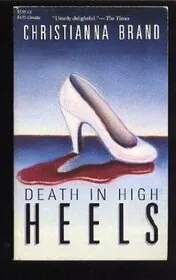
Death in High Heels
by Christianna Brand
1941
Poison enters a fashionable Bond Street dress shop, and every woman behind the counter has a reason to hate the victim. Inspector Charlesworth faces jealousy, ambition, and romance in Brand's sharp, stylish debut.
Heads You Lose
by Christianna Brand
1941
At a country house during the war, a jealous remark about a hat is followed by a shocking decapitation. Inspector Cockrill enters a polite gathering full of buried passions and finds a much darker quarrel underneath.
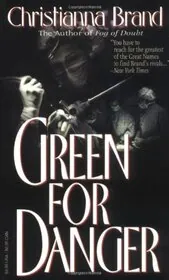
Green for Danger
by Christianna Brand
1944
A patient dies under anaesthetic in a wartime hospital, and a nurse is murdered after suspecting it was no accident. Inspector Cockrill must sort through jealousies and hidden motives before the killer strikes again.
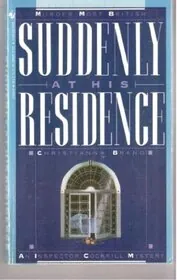
Suddenly at His Residence / The Crooked Wreath
by Christianna Brand
1946
Sir Richard gathers his greedy relations to announce a brutal new will, then dies before morning. Inspector Cockrill steps into a poisonous family circle where everyone had motive, and almost nobody had any shame.
The Single Pilgrim
by Christianna Brand
1946
Written as Mary Roland, this wartime novel follows a respectable woman whose life veers off course after she believes her husband has died. Brand uses the setup to explore fear, secrecy, and the price of telling the truth.
Death of Jezebel
by Christianna Brand
1949
During a lavish medieval pageant at Elysian Hall, the leading lady is hurled from a tower in full view of the audience. Inspector Cockrill and Inspector Charlesworth face a dazzling impossible crime with no easy answer.
Welcome to Danger
by Christianna Brand
1949
Young Bill Reddeven expects a dreary holiday and gets swept into a foggy adventure across Dartmoor and the Welsh coast. Strange companions, sinister strangers, and nonstop pursuit give this juvenile mystery real momentum.

Cat and Mouse
by Christianna Brand
1950
Katinka Jones travels to Wales to meet the mysterious letter-writer who has fascinated her, only to find no one admits the woman exists. The result is a tense, Gothic puzzle that slowly draws Inspector Chucky into the search.
London Particular / Fog of Doubt
by Christianna Brand
1952
A thick London fog hides the murder of smooth-talking Raoul Vernet, but it does not shrink the suspect list. Inspector Cockrill picks through a family's tangled loyalties, resentments, and old affairs to find the killer.
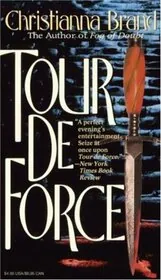
Tour de Force
by Christianna Brand
1955
Inspector Cockrill goes on holiday hoping to avoid people, then lands on a Mediterranean island with a murder on his hands. When local police decide he looks suspicious, solving the case becomes his only way out.
The Three-Cornered Halo
by Christianna Brand
1957
On the island of San Juan el Pirata, the dead Juanita is a nuisance in life and a political problem in death. Brand turns sainthood, tourism, and local ambition into a sly, eccentric story of power and belief.
Starrbelow
by Christianna Brand
1958
Venetian-born Sophia Devigne is sent into English high society, marries Lord Weyburn, and refuses to stay tame. Reinventing herself as Sapphire, she collides with scandal and a suspicious death that could destroy her.
Heaven Knows Who
by Christianna Brand
1960
Brand retells the Sandyford murder case as a gripping true-crime narrative. When Jess M'Pherson is found stabbed in Glasgow and her friend Jessie M'Lachlan is accused, the book follows the case through poverty, prejudice, and a sensational trial.
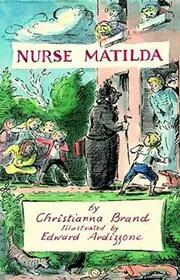
Nurse Matilda
by Christianna Brand
1964
Mr. and Mrs. Brown's children are so badly behaved that no nanny can stay, until Nurse Matilda arrives. She is alarming, funny, and impossible to outwit, and the household quickly learns that mischief now has consequences.
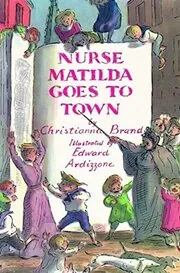
Nurse Matilda Goes to Town
by Christianna Brand
1967
When the Brown children are packed off to Great Aunt Adelaide's London house, mayhem follows them. Nurse Matilda steps back in to deal with bad behavior, sharp-tongued adults, and a city full of chances for trouble.
What Dread Hand of Short Stories
by Christianna Brand
1968
These early stories are brisk, dark, and often wickedly funny. Brand plays with jealousy, greed, and casual violence, showing in miniature the same taste for surprise that drives her best novels.
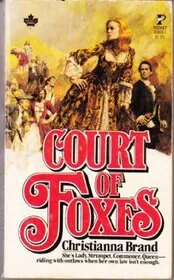
Court of Foxes
by Christianna Brand
1969
Marigold Brown remakes herself as a mysterious Marchesa and tries to cheat fashionable London with style and nerve. But love, class, and the risks of keeping up a grand lie threaten to undo her dazzling performance.
Brand X of Stories
by Christianna Brand
1974
An eighteen-story collection that ranges across crime, fear, romance, and irony. Brand is excellent in short form, and these pieces show how quickly she can build unease, sharpen character, and turn ordinary life strange.
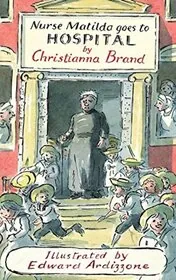
Nurse Matilda Goes to Hospital
by Christianna Brand
1975
The Brown children are still trouble, and one bad escapade sends the household into fresh chaos. Nurse Matilda returns to manage pranks, panic, and a trip that becomes much more complicated than anyone expected.
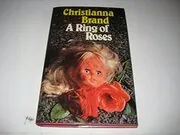
A Ring of Roses
by Christianna Brand
1977
A hidden child celebrity called Sweetheart vanishes from her secluded Welsh refuge, and Inspector Chucky is drawn into a case of family manipulation and public fantasy. The mystery turns on who has been telling the truth, and who never was.
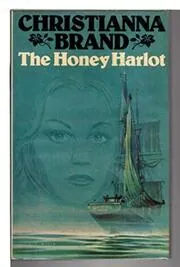
The Honey Harlot
by Christianna Brand
1978
Brand reimagines the Mary Celeste mystery through the eyes of a woman tied to the ship's past. As the story circles toward the famous abandoned voyage, obsession and deceit make the sea feel colder than ever.
Rose in Darkness
by Christianna Brand
1979
Washed-up actress Sari Morne is fleeing men who want a priceless ring when a chance encounter leaves her with a corpse in the car. Brand turns the setup into a fast-moving chase full of danger, deception, and nerves.
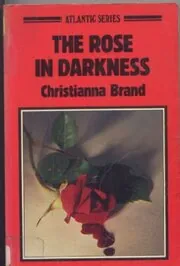
The Rose in Darkness
by Christianna Brand
1979
Washed-up actress Sari Morne is fleeing men who want a priceless ring when a chance encounter leaves her with a corpse in the car. Brand turns the setup into a fast-moving chase full of danger, deception, and nerves.
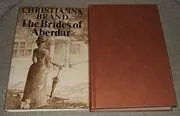
The Brides of Aberdar
by Christianna Brand
1982
Miss Alys Tetterman arrives at a gloomy Welsh manor to teach twin girls and finds a house full of grief, secrets, and old family legends. The deeper she looks into Aberdar's past, the more threatening her new home becomes.
Buffet for Unwelcome Guests
by Christianna Brand
1983
This short-story collection serves up murder in many flavors, from theatrical nerves to neatly cruel twists. It also includes Cockrill pieces, making it a good look at Brand's knack for compression, misdirection, and bite.
English Country House Murders
by Thomas Godfrey, Arthur Conan Doyle, Wilkie Collins, Robert Barr, Emma Orczy, R Austin Freeman, Gilbert Keith Chesterton, Agatha Christie, Dorothy L. Sayers, Ngaio Marsh, Margery Allingham, Freeman Wills Crofts, John Dickson Carr, Cecil Day-Lewis, PG Wodehouse, J. I. M. Stewart, Philip MacDonald, Ethel Lina White, Christianna Brand, Cyril Hare, Ruth Rendell, PD James & James G. Miles
1988
Edited by Thomas Godfrey, this anthology gathers classic British mystery stories set in and around country estates. The selection ranges from early detective fiction to later crime tales, with contributions from writers including Arthur Conan Doyle, Agatha Christie, Ngaio Marsh, Ruth Rendell, and P. D. James.
The Spotted Cat and Other Mysteries from Inspector Cockrill's Casebook
by Christianna Brand
2002
A posthumous Cockrill collection bringing together Brand's short stories, an unpublished tale, and a stage play. These cases show the inspector in miniature, sharp, sly, and very good at spotting guilt in ordinary rooms.
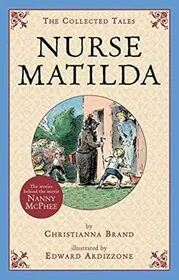
Nurse Matilda: The Collected Tales
by Christianna Brand
2005
This volume gathers all three Nurse Matilda stories. Mr. and Mrs. Brown's unruly children meet the strange nanny who can handle chaos, Great Aunt Adelaide, and one disaster after another with brisk, darkly funny calm.
Where to start with Christianna Brand
If you want the classic mystery run: Heads You Lose → Green for Danger → Suddenly at His Residence / The Crooked Wreath
If you like impossible crimes and clever stagecraft: Death of Jezebel → London Particular / Fog of Doubt → Tour de Force
If you want suspense outside Cockrill: Death in High Heels → Cat and Mouse → The Rose in Darkness
If you're reading with children: Nurse Matilda → Nurse Matilda Goes to Town → Nurse Matilda Goes to Hospital
Christianna Brand sub-series and character series
Inspector Charlesworth books in order
Explore this seriesInspector Charlesworth books in chronological order
Inspector Cockrill books in order
Explore this series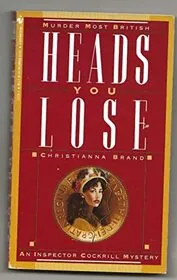

The Spotted Cat and Other Mysteries from Inspector Cockrill's Casebook
by Christianna Brand
2002Inspector Cockrill, Book 8
Inspector Cockrill books in chronological order
The Spotted Cat and Other Mysteries from Inspector Cockrill's Casebook
by Christianna Brand
2002Inspector Cockrill, Book 8
Christianna Brand collections, short stories, and related book types
Collections


by Christianna Brand
1983The Best Short Mystery Stories of Christianna Brand
Standalone Christianna Brand books



by Thomas Godfrey, Arthur Conan Doyle, Wilkie Collins, Robert Barr, Emma Orczy, R Austin Freeman, Gilbert Keith Chesterton, Agatha Christie, Dorothy L. Sayers, Ngaio Marsh, Margery Allingham, Freeman Wills Crofts, John Dickson Carr, Cecil Day-Lewis, PG Wodehouse, J. I. M. Stewart, Philip MacDonald, Ethel Lina White, Christianna Brand, Cyril Hare, Ruth Rendell, PD James & James G. Miles
1988
Author bio
Christianna Brand was born Mary Christianna Milne in British Malaya in 1907 and spent much of her childhood in India and England. She ended up writing two very different kinds of classics: intricate murder stories for adults and strange, funny books for children. That split tells you a lot about her range. She could be sharp and unsettling in one book, then playful and unruly in the next.
Before books, she worked.
Her early jobs included modelling, dancing, shop work, and governessing. Those years mattered because Brand kept turning ordinary workplaces and frayed tempers into fiction. While employed as a salesgirl, she began Death in High Heels, a murder novel set in a fashionable dress shop. Shop counters, dressing rooms, and cramped workrooms stayed useful to her because she understood how quickly politeness can crack.
1941 was a big beginning. Death in High Heels introduced Inspector Charlesworth, and that same year Heads You Lose introduced Inspector Cockrill, the birdlike detective who became her best-known sleuth. A few years later came Green for Danger, set in a wartime hospital, which is still the Brand novel many readers start with. It is tight, funny in a dry way, and properly nerve-racking.
She liked puzzles, but never bloodless ones.
Brand's best mysteries are clever without feeling mechanical. In books like Death of Jezebel, London Particular / Fog of Doubt, and Tour de Force, she keeps changing the setting, from backstage London to thick fog to a Mediterranean island, but the appeal stays the same. The plots are exact. The dialogue has bite. And the people feel inconveniently human, full of jealousy, attraction, embarrassment, and class anxiety. She was very good at showing how a closed group can turn sour.
She also wrote outside straight detective fiction, sometimes under other names. Mary Roland, Mary Ann Ashe, and China Thompson were among the pseudonyms she used. That side of her work includes books like Starrbelow, Court of Foxes, and The Brides of Aberdar, where historical romance, Gothic unease, and suspense get more room to breathe. She also stepped into true crime with Heaven Knows Who, her account of the Sandyford murder case, which earned an Edgar nomination.
Then there is Nurse Matilda. Those children's books, illustrated by her cousin Edward Ardizzone and based on stories passed down in the family, have a rougher, funnier edge than people sometimes expect. The Brown children are awful. The adults are often no better. And Nurse Matilda herself is less sweet nanny than terrifying answer to a household problem. That series later helped inspire the Nanny McPhee films.
Short fiction mattered to her too. Collections such as What Dread Hand?, Brand X, and Buffet for Unwelcome Guests show how quickly she could set a trap, sketch a character, and pull the rug away. Brand chaired the Crime Writers' Association from 1972 to 1973, wrote across several genres for decades, and died in 1988. She kept going through long gaps between novels, and the later books still show the same appetite for misdirection. She left behind work that feels brisk, sly, and very sure of itself. Still does.



Edited by
Software engineer whose passion for tracking book recommendations from podcasts inspired the creation of MRB.
Lead investor at 3one4 Capital whose startup expertise and love for books helped shape MRB and its growth.
Comments
Did we miss something? Have feedback?
Help us improve this page by sharing your thoughts