
Chris Ould Books in Order
Explore Chris Ould's books in order, from the Faroes mysteries to Street Duty, with short summaries, series background, and tips on where to start.
Last updated:
As an Amazon Associate, we earn from qualifying purchases (at no extra cost to you).
Chris Ould books in publication order
7 books
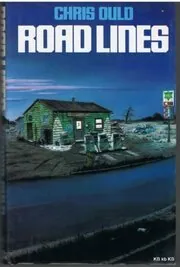
Road Lines
by Chris Ould
1987
In a harsh near-future Britain, the unemployed are sealed into containment zones and those who escape are hunted. Breaker Carl takes a private job to find a businessman's son's killer, and uncovers a far darker plot behind the death.
A Kind of Sleep
by Chris Ould
1988
Joe Larne has tried to leave his violent past behind in a London scrap yard. But when old IRA contacts return, he is pulled back into a world of fear, revenge, and choices that never really stay buried.
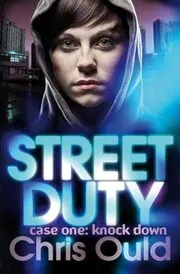
Knock Down
by Chris Ould
2012
After a teenage girl is struck by a truck, sixteen-year-old trainee police officer Holly Blades spots signs that it was no simple accident. Chasing the truth means pushing past orders, into gang territory, and toward secrets that could end her career.
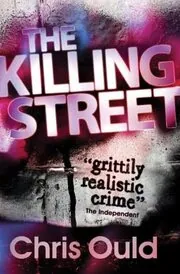
The Killing Street
by Chris Ould
2013
Holly Blades faces her first suspicious death, but the case is tangled up with gangs, informants, and people she knows. As loyalties shift around the Kaddy Boys, police work starts cutting into every part of teenage life.
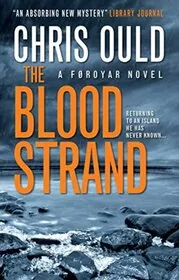
The Blood Strand
by Chris Ould
2016
British detective Jan Reyna returns to the Faroe Islands when his estranged father is found unconscious beside a shotgun and someone else's blood. Then a body washes ashore, pulling Jan into a murder case and the family history he never understood.
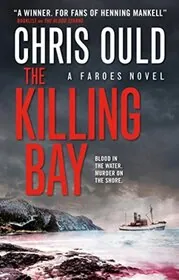
The Killing Bay
by Chris Ould
2017
Anti-whaling activists arrive in the Faroes, tempers flare, and a woman is murdered after a violent confrontation. Jan Reyna and Hjalti Hentze face a case tangled in local loyalties, hidden evidence, and Jan's own search for the truth about his past.
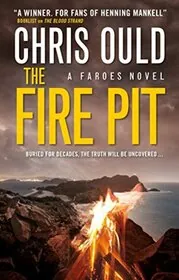
The Fire Pit
by Chris Ould
2018
A dying man's apparent suicide leads Detective Hjalti Hentze to a skeleton hidden on a Faroese hillside for forty years. As Jan Reyna digs deeper into his mother's death, both trails converge in a grim history of abuse and murder.
Where to start with Chris Ould
If you want bleak, place-driven crime: The Blood Strand → The Killing Bay → The Fire Pit
If you want YA police procedurals: Knock Down → The Killing Street
If you want a dark political thriller: A Kind of Sleep
If you want early dystopian suspense: Road Lines
Chris Ould sub-series and character series
Standalone Chris Ould books
Author bio
Chris Ould has had the kind of writing life that doesn't move in a straight line. He published novels first, stepped away into television for many years, and then came back to books with an even stronger feel for pace, dialogue, and pressure. That mix shows up all through his work.
His first novels were Road Lines and A Kind of Sleep, published in the second half of the 1980s. They were not gentle beginnings. Road Lines imagines a near future Britain where unemployment has been pushed into sealed containment zones, while A Kind of Sleep follows a former IRA man who finds that the past is not done with him. Even early on, Ould seemed drawn to systems under strain, and to characters trapped between private fear and public violence.
Television took over for a long stretch.
Ould went on to write for British dramas including The Bill, Casualty, Soldier Soldier, and Hornblower, and became known as a BAFTA-winning screenwriter. That background matters when you read him. His scenes move cleanly, he knows when to hold something back, and he understands how institutions shape the people working inside them.
He knows how police stories sound from the inside.
While writing for The Bill, he spent time with police officers and police advisers, and that practical knowledge fed directly into his fiction. You can see it in the Street Duty books, Knock Down and The Killing Street, where teenage trainee officers are thrown into cases involving gangs, abuse, informants, and the hard fact that crime is rarely tidy. Ould has said that part of his reason for writing for younger readers was personal. He had a young son, and he was thinking about the way boys can drift away from reading unless a story grabs them quickly and keeps moving.
That was his way back to books.
The novels most readers now connect with his name are the Faroes books, The Blood Strand, The Killing Bay, and The Fire Pit. They follow Jan Reyna, a British detective born in the Faroe Islands and pulled back there by family history, murder cases, and questions about his mother's death. Ould has said he first went to the islands out of curiosity, and the place clearly stuck. In these books the Faroes are not just a backdrop. The weather, the sea, the close-knit communities, and the long memory of the islands all shape what happens.
That sense of place is one of the main reasons readers stick with him. Another is the way he balances procedural detail with emotional weight. He likes cases that open into family trouble, old shame, divided loyalties, and secrets that have been sitting in plain sight for years. His crime fiction can be dark, but it is usually more interested in people and consequences than in shock for its own sake.
Ould lives in Dorset. Public records there list him as a novelist and a parish councillor, which feels oddly fitting for a writer so interested in communities, local tensions, and the things people know about one another but do not always say out loud. Whether he is writing about a windswept North Atlantic island, a city estate, or a damaged man trying to outrun his past, his books tend to stay grounded in work, place, and the pressure of ordinary lives.






Edited by
Software engineer whose passion for tracking book recommendations from podcasts inspired the creation of MRB.
Lead investor at 3one4 Capital whose startup expertise and love for books helped shape MRB and its growth.
Comments
Did we miss something? Have feedback?
Help us improve this page by sharing your thoughts