
Children of Icarus Books in Order
Part ofCaighlan Smith Books in OrderExplore the Children of Icarus series by Caighlan Smith, with books in order, reading order help, quick summaries, series background, and where to start.
Last updated:
As an Amazon Associate, we earn from qualifying purchases (at no extra cost to you).
Children of Icarus books in publication order
2 books
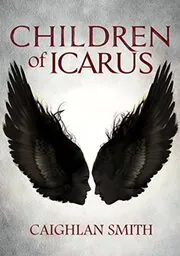
Children of Icarus
by Caighlan Smith
2016
Clara is desperate to enter the labyrinth, and the girl who has always lived in her shadow is chosen too. Once they are torn apart, that nameless narrator must survive monsters, fear, and deadly decisions about whom to trust.
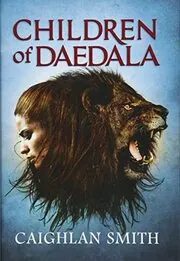
Children of Daedala
by Caighlan Smith
2018
Six months alone in the labyrinth have hardened the survivor of Children of Icarus. Now freedom seems close, but escape means trusting an old friend, facing new factions, and risking everything on one more push toward the exit.
Children of Icarus books in chronological order
Series background & context
Caighlan Smith's Children of Icarus books are dark YA fantasy with a strong mythic undercurrent and a survival story at the center. The setup is simple and unsettling. Children are chosen to enter a labyrinth that surrounds their city, and almost everything people believe about that place turns out to be incomplete, misleading, or outright false.
At the start of Children of Icarus, Clara is the girl who seems made for this ordeal. She wants to enter the labyrinth, and everyone can see her as brave, bright, and ready. But the story is told through the eyes of the girl who has always lived in Clara's shadow. When both girls are chosen and quickly separated, the book shifts from ritual to nightmare. The unnamed narrator has never even left the city walls, and suddenly she has to learn how to stay alive in a place filled with monsters, traps, and people who can be just as dangerous.
This is not a gentle maze story.
A big part of the series' appeal is the way the labyrinth works as more than a backdrop. It feels like its own harsh ecosystem, with rules that only half make sense at first and a history buried under fear, rumor, and control. Smith borrows from Greek myth, especially Icarus, Daedalus, and the idea of the labyrinth itself, but she does not treat the source material like something fixed. She reshapes it into something grimmer and more unstable, full of monstrous creatures, shifting loyalties, and the creeping sense that a supposed paradise has been built on lies.
The emotional core is just as important as the danger. The narrator begins from a place of hesitation and dependence, especially beside Clara, whose confidence has shaped their relationship for years. Surviving the labyrinth forces her to build a self under pressure. Trust becomes complicated very quickly. Friends disappear, strangers make offers, and safety rarely stays safe for long. These books keep asking what identity looks like when every old certainty has been stripped away.
By the time Children of Daedala begins, six months alone in the labyrinth have changed that narrator in obvious ways. She is tougher, more capable, and far less naive, but survival has its own price. The sequel keeps the focus on escape, yet it widens the world through rival groups, old connections, and the possibility that leaving the labyrinth may demand choices as dangerous as anything inside it. The mythic echoes remain, but the books are really driven by character change, uneasy alliances, and the sense that freedom is always just out of reach.
Expect a tense, fast-moving series with a bleak edge. These books are full of pursuit, violence, and hard choices, but they are also interested in growth, especially the kind that happens because standing still is no longer possible. If you like YA fantasy that uses classical myth as a starting point rather than a rulebook, and if you do not mind a world where trust has to be earned the hard way, this series has plenty to dig into.







Edited by
Software engineer whose passion for tracking book recommendations from podcasts inspired the creation of MRB.
Lead investor at 3one4 Capital whose startup expertise and love for books helped shape MRB and its growth.
Comments
Did we miss something? Have feedback?
Help us improve this page by sharing your thoughts