
Chigozie Obioma Books in Order
Explore Chigozie Obioma's books in order, with short summaries, where to start, and a quick guide to his novels of family, myth, and modern Nigeria.
Last updated:
As an Amazon Associate, we earn from qualifying purchases (at no extra cost to you).
Chigozie Obioma books in publication order
3 books
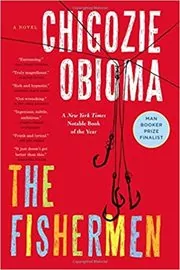
The Fishermen
by Chigozie Obioma
2015
In Akure, four brothers skip school to fish in a forbidden river and meet a madman whose prophecy turns them against one another. Benjamin looks back on the fracture of his family in a story of fear, belief, and brotherhood.
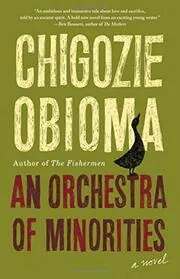
An Orchestra of Minorities
by Chigozie Obioma
2019
On the outskirts of Umuahia, poultry farmer Chinonso falls for Ndali after stopping her from jumping off a bridge. To prove himself worthy, he risks everything on a disastrous move to Cyprus, in a novel about love, class, and fate.
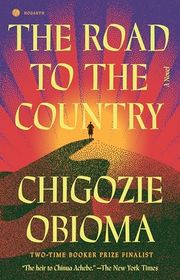
The Road to the Country
by Chigozie Obioma
2024
As Nigeria descends into civil war in the late 1960s, shy student Kunle sets out to find his missing brother. His search becomes a brutal journey through Biafra, guilt, prophecy, and the hard cost of survival.
Where to start with Chigozie Obioma
If you're new to Obioma: The Fishermen → An Orchestra of Minorities → The Road to the Country
If you want family tragedy and brotherhood: The Fishermen
If you like myth, fate, and love stories: An Orchestra of Minorities
If you want historical fiction with war and redemption: The Road to the Country
Standalone Chigozie Obioma books
Author bio
Chigozie Obioma was born in Akure, in southwestern Nigeria, and grew up in a place where languages and traditions met every day. His family was Igbo, the wider world around him was largely Yoruba-speaking, and English was there too. That mix of voices, beliefs, and storytelling styles would stay with him and later become part of his fiction.
Books found him early.
As a child, he spent stretches in the hospital, and his father told him stories at his bedside. He has said those hours helped turn reading into something deep and personal. He also read widely, from Greek myths and Shakespeare to Igbo folktales, which helps explain why his novels can feel rooted in ordinary life while still making room for prophecy, spirits, and old ideas about fate.
Obioma began writing seriously while studying literature in Cyprus. Homesickness played a part. During a phone call with his father, he heard about the changing relationship between two of his brothers, and that conversation helped spark The Fishermen. He later earned an MFA in creative writing from the University of Michigan.
That first novel changed his career.
Published in 2015, The Fishermen follows four brothers in Akure after a madman's prophecy turns their lives inside out. Readers often respond to the book's close family focus, its slow build of dread, and the way it uses one household to think about belief, violence, and a country under strain. The novel was a finalist for the Booker Prize and brought Obioma an international audience.
He returned in 2019 with An Orchestra of Minorities, another Booker finalist, but a very different novel in shape and voice. It tells the story of Chinonso, a poultry farmer who sacrifices everything for love, and it is narrated by his chi, or guardian spirit. Readers who connect with this book often point to its emotional weight, its attention to class and migration, and the way Obioma brings Igbo ideas about personhood and destiny into the center of the story.
His third novel, The Road to the Country, moves into the Nigerian civil war through the journey of a shy student named Kunle. The book keeps Obioma's interest in brothers, guilt, and spiritual pressure, but places those feelings inside a much larger historical disaster.
Those three novels are different in plot and scale, but they speak to one another. He is drawn to siblings, lovers, missing people, wounded consciences, and characters who find themselves living under a prediction they cannot quite escape. Nigeria is central in all of them, not as background decoration, but as a living place shaped by language, class, religion, and history.
He also writes essays, short fiction, and criticism, and his books have been translated into thirty languages. He now teaches English and creative writing at the University of Georgia, where he is the Helen S. Lanier Distinguished Professor, and he divides his time between the United States and Nigeria. The scale of the work has grown, but the core interest has stayed steady: story as a way to test memory, belief, and the forces that hold families together or pull them apart.




Edited by
Software engineer whose passion for tracking book recommendations from podcasts inspired the creation of MRB.
Lead investor at 3one4 Capital whose startup expertise and love for books helped shape MRB and its growth.
Comments
Did we miss something? Have feedback?
Help us improve this page by sharing your thoughts