
Chasing Vermeer Books in Order
Part ofBlue Balliett Books in OrderSee the Chasing Vermeer series by Blue Balliett in order, with short summaries, series background, and a clear guide to where to start reading.
Last updated:
As an Amazon Associate, we earn from qualifying purchases (at no extra cost to you).
Chasing Vermeer books in publication order
4 books
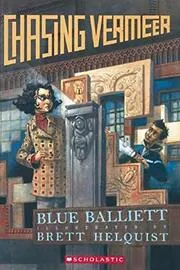
Chasing Vermeer
by Blue Balliett
2004
When a priceless Vermeer painting disappears, sixth graders Petra and Calder notice strange connections that adults miss. Their search leads through codes, coincidences, and Chicago clues into an art mystery far bigger than either expected.
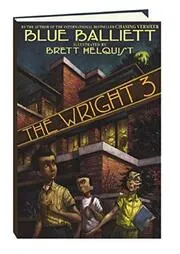
The Wright 3
by Blue Balliett
2006
Petra, Calder, and Tommy are drawn into strange accidents and ghostly warnings around Frank Lloyd Wright's Robie House. What starts as an art project becomes a hunt for hidden messages, danger, and the truth behind a haunting mystery.
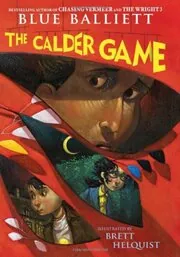
The Calder Game
by Blue Balliett
2008
When Calder travels to an English village full of mazes and odd secrets, both he and an Alexander Calder sculpture disappear. Petra and Tommy race to untangle the clues before the mystery turns darker.
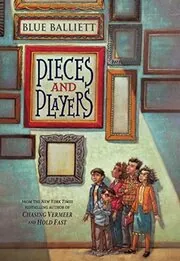
Pieces and Players
by Blue Balliett
2015
Thirteen famous artworks vanish from a secretive museum, and Calder, Petra, Tommy, Zoomy, and Early get pulled into the case. Odd clues, suspicious adults, and a very strange atmosphere turn the theft into a sprawling mystery.
Chasing Vermeer books in chronological order
Series background & context
The Chasing Vermeer books are middle grade mysteries built out of art, architecture, patterns, and real places. The series begins in Chicago with Petra Andalee and Calder Pillay, two sixth graders who become friends just as a Vermeer painting disappears and a string of odd events starts closing in around their school, their neighborhood, and the adults they know. From the start, these books are interested in the idea that kids may notice connections grown-ups miss.
These books trust kids to think hard.
Petra and Calder make a strong pair because they see the world differently. Petra asks sharp questions and pushes at assumptions. Calder is drawn to patterns, chance, and visual clues. Later, Tommy Segovia becomes a major part of the group, and his arrival changes the energy from a duo to a sometimes tense trio. They are bright, but they are still kids. They get impatient, jealous, scared, and stubborn, which helps keep the mysteries grounded.
Chicago matters here, too. The neighborhood streets, school buildings, museums, libraries, and famous houses are not just background scenery. They are part of how the puzzles work. In these books, a building can hide a message, a painting can set off a chain of questions, and a city block can feel like a map waiting to be read. Balliett's interest in real institutions gives the series a strong sense of place without slowing it down.
The books widen as they go. Chasing Vermeer centers on a stolen painting and the strange pull it exerts on Petra and Calder. The Wright 3 moves toward Frank Lloyd Wright's Robie House, where ghostly happenings, hidden clues, and questions about art and ownership tangle together. The Calder Game takes the mystery to an English village full of mazes after both an Alexander Calder sculpture and Calder himself disappear. Pieces and Players opens the cast further, bringing in Early and Zoomy for a case involving thirteen stolen artworks and a museum full of suspicion.
What makes the series stick is the balance of suspense and ideas. There are codes, pentominoes, visual puzzles, strange coincidences, and plenty of scenes where the kids have to act fast. But there are also bigger questions underneath all that movement. How do people decide what is true? What does it mean to really look at a work of art? Why are some minds quicker to spot hidden patterns than others? Balliett lets those questions sit in the story without turning the books into homework.
These are thoughtful mysteries, but they are still fun. If you like kid detectives, real-world art and architecture, and plots that ask you to pay attention, this series has a very particular charm.






Edited by
Software engineer whose passion for tracking book recommendations from podcasts inspired the creation of MRB.
Lead investor at 3one4 Capital whose startup expertise and love for books helped shape MRB and its growth.
Comments
Did we miss something? Have feedback?
Help us improve this page by sharing your thoughts