
Charles Willeford Books in Order
Explore Charles Willeford books in order, with short summaries, starting points, the Hoke Moseley novels, and background on his sharp, strange crime fiction.
Last updated:
As an Amazon Associate, we earn from qualifying purchases (at no extra cost to you).
Charles Willeford books in publication order
31 books
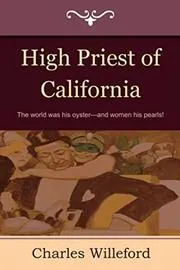
High Priest of California
by Charles Willeford
1953
Russell Haxby sells used cars in San Francisco and treats everyone around him as something to manipulate. Boredom, lust, and petty cruelty drive him toward a married woman and an increasingly ugly mess.
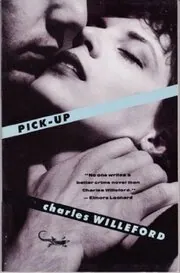
Pick-Up
by Charles Willeford
1955
A failed painter working a cheap diner and a hard-drinking woman on the run try to build a life together in 1950s California. Their love story is tender in flashes, but the book never forgets how close ruin sits.
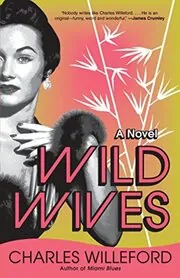
Wild Wives
by Charles Willeford
1956
Cash-poor private eye Jake Blake thinks he has found an easy job when a rich young woman asks for help escaping her so-called father. Instead he gets thugs, lies, jealous men, and bodies.
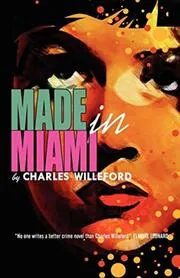
Made in Miami / Lust Is A Woman
by Charles Willeford
1958
Art student Ralph Tone spends a summer in Miami working at a hotel and chasing the brighter life the city seems to promise. The book watches ambition, sex, and self-invention rub against cheap rooms and hot weather.
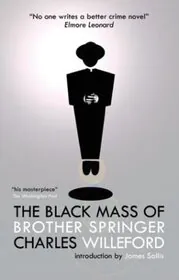
The Black Mass of Brother Springer / Honey Gal
by Charles Willeford
1958
Sam Springer, a failed white writer and born opportunist, buys an ordination and lands in charge of a Black church in Jacksonville. Willeford uses the setup to mix race, religion, lust, and grift in unsettling ways.
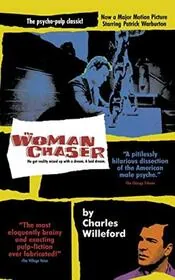
The Woman Chaser
by Charles Willeford
1960
Used-car salesman Richard Hudson decides that selling cars is a dead life and throws himself into making a movie instead. When the dream collapses, his wounded vanity sends him on a nasty trip through Los Angeles.
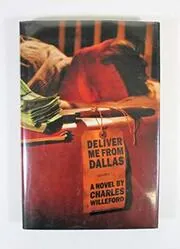
Deliver Me from Dallas! / The Whip Hand
by Charles Willeford
1961
Ex-cop Bill Brown leaves Los Angeles for Dallas and walks straight into kidnappers, grudges, and a woman handy with a bullwhip. It is a hardboiled road story that keeps finding new trouble.
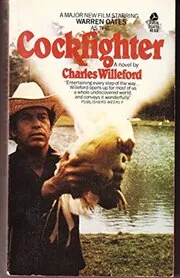
Cockfighter
by Charles Willeford
1962
Frank Mansfield takes a vow of silence until he wins the top prize on the cockfighting circuit. His obsession carries him through dusty Southern arenas where pride, money, lust, and violence are never far apart.
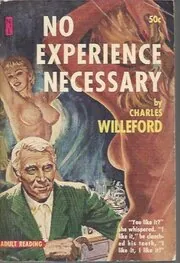
No Experience Necessary
by Charles Willeford
1962
After a false accusation ruins his standing at home, elderly Pop Adams falls in with a career criminal and drifts toward armed robbery in Florida. The novel is grim, strange, and far sadder than its pulp packaging suggests.

The Machine in Ward Eleven
by Charles Willeford
1963
This collection gathers six stories about madness, performance, cruelty, and the thin line between ordinary life and breakdown. Even in short form, Willeford keeps the tone cool and the outcomes unsettling.
Poontang and Other Poems
by Charles Willeford
1967
A small self-published poetry chapbook, this book shows Willeford at his rawest and loosest. The poems are blunt, funny, abrasive, and full of the same low-life eye found in his fiction.
The Burnt Orange Heresy
by Charles Willeford
1971
Art critic James Figueras sees a chance to make his name when a wealthy collector points him toward a reclusive painter in the Florida swamps. The job turns into a sly, vicious tale of art, fraud, and murder.
The Difference / The Hombre from Sonora
by Charles Willeford
1971
Willeford's only western follows a young man cheated out of his birthright who heads into Sonora looking for justice. The story is lean, rough, and more interested in character than frontier legend.
Off the Wall
by Charles Willeford
1980
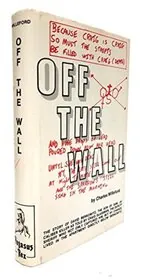
Willeford turns the Son of Sam case into a true-crime narrative centered on Craig Glassman, the deputy sheriff who believed the killer lived just upstairs. It is as interested in fear and obsession as it is in the manhunt.
Miami Blues
by Charles Willeford
1984
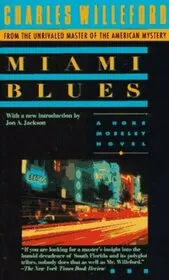
Ex-con Freddy Frenger blows into Miami, kills almost on impulse, and steals Sergeant Hoke Moseley's badge, gun, and dentures. The chase that follows is shaggy, brutal, and very funny in a sour South Florida way.
New Hope for the Dead
by Charles Willeford
1985
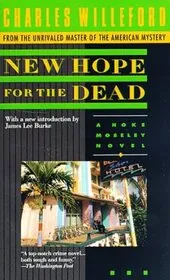
A suspicious overdose in an upscale Miami neighborhood gives Hoke Moseley a new case just as money, housing, and family problems pile up. The investigation keeps tangling with his private life in all the worst ways.
Something About a Soldier
by Charles Willeford
1986
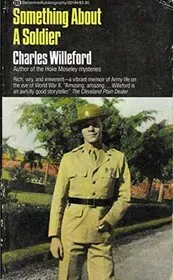
Willeford's memoir of youth in uniform covers his first Army and Air Corps years in the Philippines and California. It is part coming-of-age story, part military chronicle, and never especially sentimental.
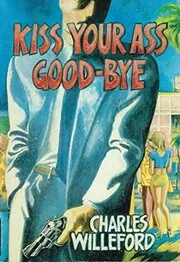
Kiss Your Ass Good-Bye
by Charles Willeford
1987
This short crime novel, later absorbed into The Shark-Infested Custard, centers on Hank Norton, a Florida medical rep whose affair turns into a tense and violent game. It moves fast and leaves nobody looking good.
New Forms Of Ugly
by Charles Willeford
1987
Based on Willeford's master's thesis, this book studies the trapped, stalled, or immobilized hero in modern fiction. It moves from Dostoevsky and Kafka to Beckett, Chester Himes, and Saul Bellow.
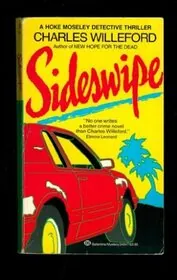
Sideswipe
by Charles Willeford
1987
Fed up with alimony, daughters, and police work, Hoke Moseley flees to Singer Island hoping to leave the mainland behind. A badly planned robbery and a burst of bloodshed pull him back into the job he thought he was done with.
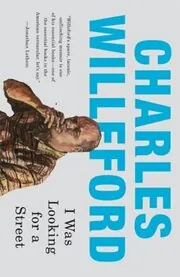
I Was Looking for a Street
by Charles Willeford
1988
Willeford looks back on a childhood marked by loss, poverty, rail yards, and long stretches on the road. The book is blunt, funny in spots, and full of the restless energy that runs through his novels.
The Way We Die Now
by Charles Willeford
1988
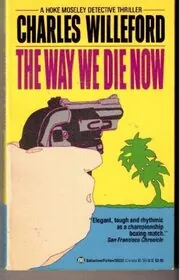
Hoke Moseley is sent undercover to a farm suspected of killing migrant workers while family chaos and an unsettling new neighbor crowd his home life. It is a bleak, funny finale with Hoke far outside his comfort zone.
The Shark-Infested Custard
by Charles Willeford
1993
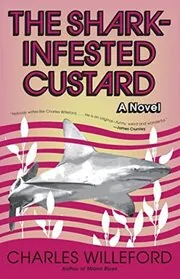
Four hard-drinking Miami bachelors treat women, work, and loyalty like games until a casual bet turns into panic, corpses, and cover-ups. What starts as grubby comedy keeps sliding toward something much darker.
Collected Memoirs of Charles Willeford
by Charles Willeford
1999
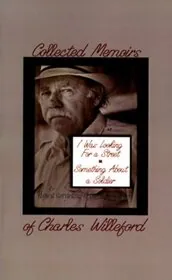
This volume brings together Willeford's two memoirs, tracing his orphaned childhood, Depression wanderings, and early Army and Air Corps years. It is the clearest window into the hard living that shaped his fiction.
Writing & Other Blood Sports
by Charles Willeford
2000
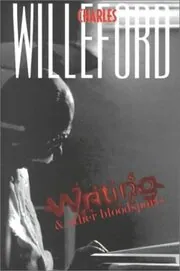
A posthumous collection of essays, reviews, and autobiographical pieces about writing, writers, and the habits of literary life. It also includes New Forms of Ugly, Willeford's study of the immobilized hero in modern fiction.

The Second Half Of The Double Feature
by Charles Willeford
2003
Stories, sketches, and autobiographical pieces, many of them previously unpublished, make up this wide-ranging late collection. It feels like a grab bag by design, with humor, meanness, memory, and sudden violence all close together.
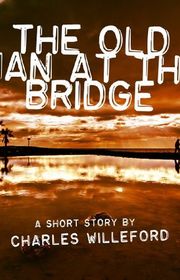
The Old Man at the Bridge
by Charles Willeford
2009
In this short piece, a talk with an older man who spends his days fishing off a bridge opens into a sad, sharp meditation on habit, loneliness, and the stories people tell about themselves.
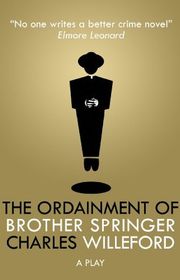
The Ordainment of Brother Springer
by Charles Willeford
2009
This one-act play reworks the world of The Black Mass of Brother Springer for the stage. It keeps the story's crooked religious hustle and dark humor, but strips the setup down to something quicker and more theatrical.
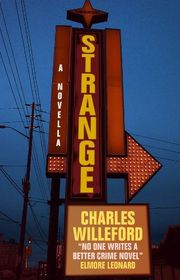
Strange
by Charles Willeford
2011
This short novel follows Hank as a night of drinking and pursuit curdles into panic after a woman overdoses in his car. It has the same hard, uncomfortable Florida mood found elsewhere in Willeford's crime fiction.
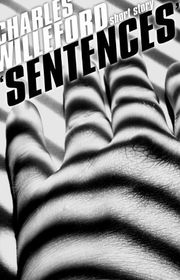
Sentences
by Charles Willeford
2013
A slim collection of brief prose pieces, Sentences shows Willeford working in miniature. The book distills his dry humor, blunt voice, and skeptical eye into short, sharp bursts.
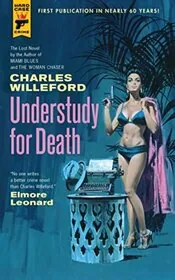
Understudy for Death
by Charles Willeford
2018
Small-town reporter Richard Hudson is assigned to investigate why Marion Huneker killed her children and herself. The case keeps colliding with his stalled play, shaky marriage, and self-absorbed inner life.
Where to start with Charles Willeford
If you want the Miami crime books: Miami Blues → New Hope for the Dead → Sideswipe → The Way We Die Now
If you want the early noir paperbacks: High Priest of California → Pick-Up → Wild Wives
If you want sharper standalones: Cockfighter → The Burnt Orange Heresy → The Woman Chaser
If you want the life behind the fiction: I Was Looking for a Street → Something About a Soldier → Collected Memoirs of Charles Willeford
Charles Willeford sub-series and character series
Charles Willeford collections, short stories, and related book types
Collections
Plays
Short Stories/Novellas
Non-Fiction
Standalone Charles Willeford books
Author bio
Charles Willeford was born in Little Rock, Arkansas, on January 2, 1919, but the shape of his life was really set by loss. His father died of tuberculosis when Willeford was small, and after his mother died of the same disease in 1927, he grew up in Los Angeles with his grandmother near Exposition Park. At thirteen, in the middle of the Depression, he hopped a freight train, took a false name, and spent time drifting along the Mexican border. That early mix of poverty, motion, and improvisation stayed with him for life.
He did not come to books in the neat way people like to imagine. As a teenager he joined the California National Guard, then the regular Army. He served in the Philippines before World War II, later fought in Europe as a tank commander, and came out of the war with major decorations, including the Silver Star, Bronze Star, Purple Heart, and Luxembourg War Cross. He also spent time in Japan after the war, ran an army radio station, and wrote poetry before most readers had ever heard his name.
He lived several lives before he settled into being a novelist.
After leaving active service for good in the 1950s, Willeford moved through a string of jobs and places. He studied art in Peru, worked as a radio announcer, boxed, trained horses, and eventually went back to school in Florida. His first novel, High Priest of California, appeared in 1953, and Pick-Up followed soon after. Those early books already show what he liked, drifters, hustlers, alcoholics, bored men, bad decisions, and people who could talk themselves into almost anything.
School mattered to him, maybe more than people expect from a writer with his rough biography. He earned an associate degree, then studied English at the University of Miami, receiving a bachelor's degree in 1962 and a master's in 1964. He reviewed books for the Miami Herald, worked with Alfred Hitchcock's Mystery Magazine, taught at the University of Miami, and later taught English and philosophy at Miami-Dade Community College. For years he wrote alongside the day job instead of living above it.
His books do not behave.
Cockfighter takes the outlaw world of cockfighting and turns it into a story of obsession and pride. The Burnt Orange Heresy shifts into the art world, where critics, collectors, and frauds circle one another like thieves. The Woman Chaser and High Priest of California show his gift for writing men who are funny, persuasive, selfish, and a little frightening. Readers often come to Willeford for crime, but stay for the dry humor, the odd angles, and the way he keeps watching people after most writers would cut away.
Then Miami gave him his late break.
With Miami Blues in 1984, Willeford introduced Hoke Moseley, a divorced Miami homicide detective with bad teeth, money trouble, family complications, and a stubborn sense of duty. The follow-ups, New Hope for the Dead, Sideswipe, and The Way We Die Now, made Hoke into his best-known creation. These books helped define a grubbier, funnier, less glamorous kind of Florida crime story, one built as much on rent, weather, and domestic annoyance as on murder.
Willeford kept writing into the last years of his life, and wider recognition finally caught up with him in the 1980s. He wrote the screenplay for the film version of Cockfighter, and several of his books were later adapted for the screen, including Miami Blues, The Woman Chaser, and The Burnt Orange Heresy. He married Betsy Poller in 1981 and remained based in Miami. He died there of a heart attack on March 27, 1988, just after The Way We Die Now was published, and was buried at Arlington National Cemetery.







Edited by
Software engineer whose passion for tracking book recommendations from podcasts inspired the creation of MRB.
Lead investor at 3one4 Capital whose startup expertise and love for books helped shape MRB and its growth.
Comments
Did we miss something? Have feedback?
Help us improve this page by sharing your thoughts