
Centenal Cycle Books in Order
Part ofMalka Ann Older Books in OrderThis page lists the Centenal Cycle books by Malka Ann Older in order, with summaries, political background, and clear advice on where to start.
Last updated:
As an Amazon Associate, we earn from qualifying purchases (at no extra cost to you).
Centenal Cycle books in publication order
3 books
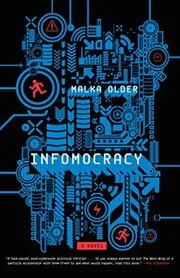
Infomocracy
by Malka Ann Older
2016
In a world of microdemocracies, Information manages facts and elections for a fragile global order. As a pivotal vote approaches, agents Mishima and Ken uncover manipulation, violence, and competing plans to control the future.
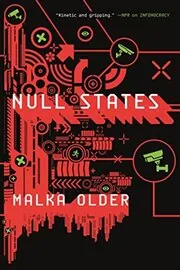
Null States
by Malka Ann Older
2017
After a contentious election, the global microdemocracy is starting to splinter. From Darfur to Central Asia and Geneva, Information agents confront assassinations, war, and a hidden conspiracy aimed at destroying the system they serve.
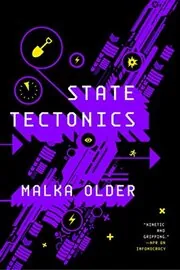
State Tectonics
by Malka Ann Older
2018
Five years after a near-catastrophic election, another vote puts the world's microdemocracy under fresh strain. Sabotage, hostile governments, and attacks on Information force its agents to question whether the system can, or should, survive.
Centenal Cycle books in chronological order
Series background & context
Malka Ann Older's Centenal Cycle is a near-future political thriller trilogy about democracy, data, and the machinery that decides what counts as true. It begins with Infomocracy, then continues through Null States and State Tectonics. The books work best in order because each one builds on the political aftermath of the last.
The central idea is microdemocracy. Instead of being governed mainly by traditional nation-states, much of the world is divided into centenals, communities of 100,000 people that choose their government according to policy rather than geography. The party that wins the most centenals forms the global Supermajority.
Then there is Information.
Information is the vast organization that provides facts, context, and election oversight for this new world. It has helped create a long period of peace, but it is also everywhere. Its agents, databases, and public feeds shape what people know, what they believe, and what they can act on. That makes it both a stabilizing force and a source of real unease.
The trilogy follows several people working in and around this system, including Information agents Mishima and Ken. They deal with elections, espionage, organized disruption, local conflicts, and the pressure of trying to keep a fragile political experiment from coming apart. The action moves across countries and regions, but the emotional tension often comes down to trust between partners, colleagues, and people on opposite sides of a policy fight.
Each book raises the stakes. Infomocracy centers on a contested election. Null States explores violence and instability at the edges of the new order. State Tectonics returns to the ballot box as old powers, new threats, and deep doubts about Information's role collide.
Peace can be complicated.
The tone is brisk, smart, and grounded in the practical details of governance. These are books about surveillance, propaganda, infrastructure, and political ideals, but they are also spy stories with tight deadlines and people who have to make decisions before they have all the facts.
Start with Infomocracy. It explains the rules of the world while dropping you straight into its first major crisis, and the next two books reward following the consequences in sequence.






Edited by
Software engineer whose passion for tracking book recommendations from podcasts inspired the creation of MRB.
Lead investor at 3one4 Capital whose startup expertise and love for books helped shape MRB and its growth.
Comments
Did we miss something? Have feedback?
Help us improve this page by sharing your thoughts