
Carl Sandburg Books in Order
Browse Carl Sandburg books in reading order, with short summaries for each book and a clear title list to help you find a starting point.
Last updated: 28 new books added
As an Amazon Associate, we earn from qualifying purchases (at no extra cost to you).
Carl Sandburg books in publication order
28 books
In Reckless Ecstasy
by Carl Sandburg
1904
Sandburg's early collection brings together poems and essays that show his developing interest in ordinary working people. Pieces such as To Whom My Hand Goes Out express respect for laborers whose endurance and dignity attract little public recognition.
Incidentals
by Carl Sandburg
1904
Chicago Poems
by Carl Sandburg
1916
Free-verse poems portray Chicago’s workers, streets, and industrial life alongside the wider struggles of ordinary Americans. Including Chicago and Fog, the collection finds lyric beauty in the city while confronting labor, inequality, and the shadow of war.
Rootabaga Stories
by Carl Sandburg
1922
These interconnected tales lead into Rootabaga Country, where familiar objects, animals, and people behave in wonderfully unlikely ways. Created for Sandburg’s daughters, the stories use playful language and shifting logic to explore a world shaped by childhood imagination.
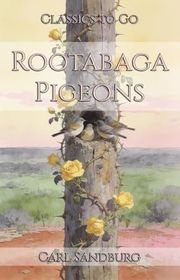
Rootabaga Pigeons
by Carl Sandburg
1923
Blixie Bimber encounters the Potato Face Blind Man and enters a world of strange stories, including builders trying to reach the moving moon. Sandburg’s returning storytellers and fantastical creatures turn ordinary errands and objects into improbable adventures.
The American Songbag
by Carl Sandburg
1927
Sandburg gathers the words and music of 280 American folk songs, adding commentary on their backgrounds and traditions. Work songs, ballads, spirituals, and comic tunes preserve the voices of the many communities that helped shape the country's musical life.
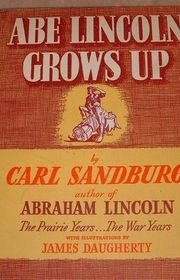
Abe Lincoln Grows Up
by Carl Sandburg
1928
Abraham Lincoln grows up among the farms and forests of the American frontier, balancing hard physical work with a hunger for books. Sandburg follows his childhood into young adulthood, tracing the experiences that helped shape the future president.
Mary Lincoln
by Carl Sandburg
1932
Sandburg follows Mary Todd Lincoln from her early life through marriage, the White House, and widowhood. His portrait considers the personal suffering behind a frequently criticized public figure, exploring the losses and pressures that marked her life beside Abraham Lincoln.
Abraham Lincoln
by Carl Sandburg
1939
Sandburg follows Abraham Lincoln through his presidency and the Civil War, examining the demands of leadership during a national crisis. Political opposition, military decisions, and personal strain shape a portrait of a president struggling to preserve the Union.
Home Front Memo
by Carl Sandburg
1943
Carl Sandburg records his responses to the Second World War through speeches, broadcasts, newspaper columns, poems, and other writings. These pieces follow his shifting hopes and fears for America while considering the wider human cost of the conflict.
Remembrance Rock
by Carl Sandburg
1948
Across three centuries of American life, this novel follows the hopes and struggles that shape a nation. Sandburg draws on history, folklore, and the experiences of ordinary people to explore the American dream and its continuing demands.
New American Songbag
by Carl Sandburg
1950
Carl Sandburg gathers another selection of American folk songs, drawing on his continuing research and the performers who kept the music alive. Words, music, and commentary preserve songs from everyday life for readers and singers to explore.

The Complete Poems of Carl Sandburg
by Carl Sandburg
1950
Sandburg brings together poems about American cities, workers, landscapes, and everyday lives. This collected volume follows his experiments with free verse and ordinary speech, tracing the social concerns and varied voices that shaped his poetry.
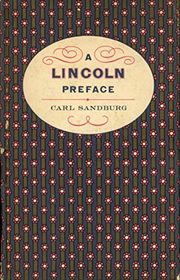
A Lincoln Preface
by Carl Sandburg
1953
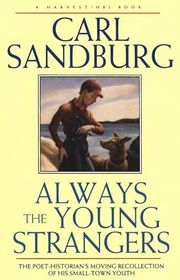
Always the Young Strangers
by Carl Sandburg
1953
Carl Sandburg recalls growing up in Galesburg, Illinois, as the son of Swedish immigrants. His account of leaving school, taking a succession of jobs, and discovering a wider world also portrays the small-town America that shaped his writing.
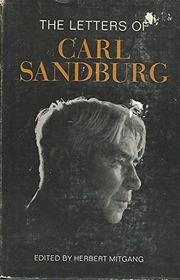
The Letters of Carl Sandburg
by Carl Sandburg
1968
This collection brings together Carl Sandburg’s letters, edited by Herbert Mitgang. The correspondence presents the poet and biographer in his own words, offering a personal counterpart to his published poetry and prose.
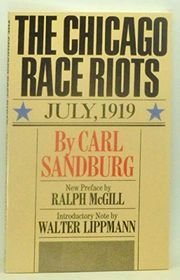
The Chicago Race Riots of 1919
by Carl Sandburg
1969
Sandburg examines Chicago's racial tensions through reporting surrounding the violence of July 1919. Housing discrimination, migration, labor disputes, and political power provide the background to the riots, connecting a devastating outbreak of violence with the city's everyday institutions.
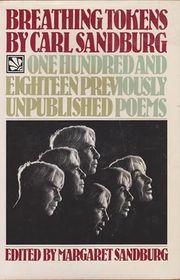
Breathing Tokens
by Carl Sandburg
1978
Selected from Sandburg's unpublished manuscripts by his daughter Margaret, these poems explore American lives and landscapes. Their subjects range across the country's people, work, and changing places, extending the poet's record of ordinary experience beyond his previously collected verse.
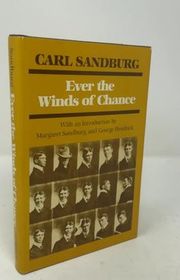
Ever the Winds of Chance
by Carl Sandburg
1983
Returning from the Spanish-American War, Sandburg enters college in Galesburg and searches for a direction in life. His unfinished memoir recalls studies, friendships, wandering, and a succession of jobs as his interests in poetry and socialism develop.
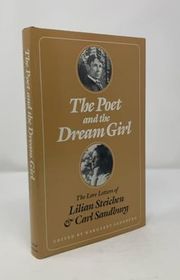
The Poet and the Dream Girl
by Carl Sandburg
1987
Letters exchanged by Sandburg and Lilian Steichen trace a courtship sustained largely through correspondence. Their shared interests in poetry and socialism shape an intimate account of two people discovering the ideals and affection that would connect their lives.

Fables, Foibles, and Foobles
by Carl Sandburg
1988
Invented creatures, unusual conversations, riddles, and mischievous sayings populate this collection of Sandburg's previously unpublished short pieces. His playful language turns familiar assumptions upside down, inviting readers into a world where nonsense can reveal unexpected truths.
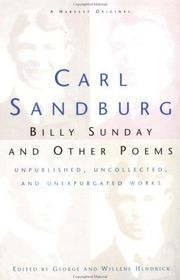
Billy Sunday And Other Poems
by Carl Sandburg
1993
This collection gathers unpublished, uncollected, and previously altered poems from Sandburg's papers. Religious opportunism, war, racial violence, domestic suffering, and love appear alongside one another, revealing a sharper political and personal voice than some earlier selections allowed readers to hear.
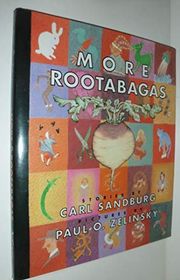
More Rootabagas
by Carl Sandburg
1993
Ten previously unpublished tales return to Rootabaga Country, where improbable names, unusual creatures, and everyday objects take on lives of their own. Sandburg's playful American fairy tales invite young readers into a world shaped by nonsense, music, and imagination.
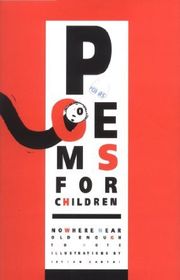
Poems for Children Nowhere Near Old Enough to Vote
by Carl Sandburg
1999
Previously unpublished poems turn chairs, clocks, pencils, and familiar parts of the body into occasions for surprise. Sandburg plays with everyday language and unexpected ideas, while Istvan Banyai's illustrations give the verses another layer of visual humor and invention.

The Movies Are
by Carl Sandburg
2000
Carl Sandburg’s reviews and essays for the Chicago Daily News trace his response to silent cinema during the 1920s. His observations on films, performers, and the medium’s possibilities reveal an early literary advocate for the developing art.

The People, Yes
by Carl Sandburg
2009
Drawing on American sayings, tall tales, legends, and everyday speech, Sandburg builds a long poem around the lives of ordinary people. Their humor and endurance become a way to consider collective hope amid hardship and uncertainty.
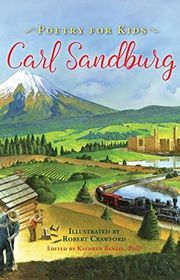
Poetry for Kids: Carl Sandburg
by Carl Sandburg
2017
Thirty-five Sandburg poems introduce children to his observations of animals, music, nature, and everyday life. Illustrations, explanations of unfamiliar words, and brief comments help young readers explore the language and images of poems including Fog and Jazz Fantasia.
Carl Sandburg: Selected Poems
by Carl Sandburg
This selection presents Sandburg's poems about the people and places of America, from factory workers and city streets to the Midwestern prairie. His plainspoken verse combines social protest, humor, tenderness, and close observation of ordinary lives.
Standalone Carl Sandburg books





Edited by
Software engineer whose passion for tracking book recommendations from podcasts inspired the creation of MRB.
Lead investor at 3one4 Capital whose startup expertise and love for books helped shape MRB and its growth.
Comments
Spotted a missing book, a wrong order or a mistake? Tell us and we'll fix this page.
We're a reading guide, not the author or publisher, so we can't send books or pass on messages.