
Brian Aldiss Books in Order
Explore Brian Aldiss books in order, from classic science fiction to memoir and literary fiction, with short summaries, series notes, and where to start.
Last updated:
As an Amazon Associate, we earn from qualifying purchases (at no extra cost to you).
Brian Aldiss books in publication order
100 books
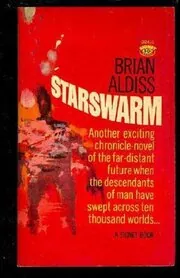
Starswarm
by Brian Aldiss
1954
Aldiss gathers stories that move between strange futures, social satire, and quiet melancholy. Like many of his collections, it shows how much range he could pack into short fiction without losing his distinctive voice.

The Brightfount Diaries
by Brian Aldiss
1955
A comic diary novel set in a provincial bookshop, drawn from Aldiss's own bookselling experience. It is full of small absurdities, sharp observation, and affection for the trade without any romantic haze about it.

Space, Time and Nathaniel
by Brian Aldiss
1957
Aldiss's first science fiction collection brings together the stories that launched his career. It already shows his mix of big ideas, irony, and human vulnerability, before the later novels made his name even larger.
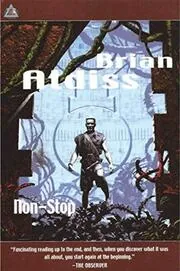
Non-Stop / Starship
by Brian Aldiss
1958
Roy Complain leaves his lost tribe and heads toward the mysterious region called Forwards, only to discover that his whole world is stranger than he knew. This is classic generation-ship SF with a terrific sense of revelation.

Galaxies Like Grains of Sand / The Canopy of Time
by Brian Aldiss
1959
This linked early work imagines a future history in which Earth becomes the center of a vast but disposable galaxy. Part collection, part chronicle, it shows Aldiss thinking big while staying interested in intimate human oddities.

No Time Like Tomorrow
by Brian Aldiss
1959
A collection of speculative stories that turns tomorrow into a testing ground for politics, technology, and human frailty. Aldiss keeps the ideas sharp, but the pieces work because the people inside them remain so recognizably human.

Vanguard From Alpha
by Brian Aldiss
1959
An early Aldiss speculative adventure that mixes exploration, tension, and a skeptical eye toward human ambition. Even here, he is already more interested in cultural strain and uncertainty than in clean heroic triumph.
Bow Down to Nul / The Interpreter
by Brian Aldiss
1960
Gary Towler works as interpreter for alien rulers on Earth and is distrusted by both masters and rebels. Trapped between two hostile sides, he has to improvise a third way out of an ugly imperial bind.
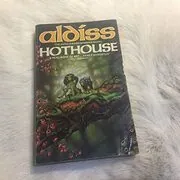
Hothouse / The Long Afternoon of Earth
by Brian Aldiss
1961
On a far-future Earth dominated by giant vegetation, Gren and Yattmur struggle through a world where plants are the real masters. Aldiss makes the setting lush, grotesque, and unforgettable, a jungle nightmare on a planetary scale.

The Male Response
by Brian Aldiss
1961
A young Englishman arrives in the capital of a new African republic and lands in overlapping political and sexual entanglements. Aldiss keeps it ironic and funny while probing power, desire, and postcolonial unease.

The Primal Urge
by Brian Aldiss
1961
One mechanical innovation blows apart British reserve and sends the country into open sexual disorder. Aldiss treats the premise as comic social satire, but there is a real bite beneath the farce.

The Airs of Earth
by Brian Aldiss
1963
These stories range from Earth to the planets and back again, with Aldiss's eye on politics, technology, and the poetry of existence. It is an early collection, but already broad in mood and ambition.

Dark Light Years
by Brian Aldiss
1964
Humans meet the utterly alien utod, and the result is less mutual enlightenment than a widening gulf of incomprehension. Aldiss builds first contact out of disgust, pride, and the stubborn limits of human understanding.

Greybeard
by Brian Aldiss
1964
Decades after humanity has been rendered sterile, an aging, childless world begins to empty out while nature reclaims the land. Quiet and deeply felt, this is one of Aldiss's saddest and most humane futures.
Earthworks
by Brian Aldiss
1965
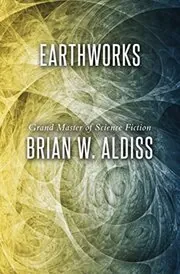
In a poisoned future where the countryside is bare and the towns are diseased, Knowle Noland is pulled toward Africa and a destructive destiny. Aldiss mixes ecological collapse, politics, and hallucinated guilt into hard, dirty SF.

The Saliva Tree
by Brian Aldiss
1966
Aldiss's Nebula-winning novella gives a rural English setting a quietly Lovecraftian shock, as strange growths and stranger visitations upset the surface calm. It is compact, eerie, and very deft about atmosphere.

Who Can Replace a Man?
by Brian Aldiss
1966
This collection brings together some of Aldiss's best early short fiction, including his famous robot story of the same name. Expect brisk ideas, sly humor, and a persistent question about what humans really contribute.
Cryptozoic! / An Age
by Brian Aldiss
1967
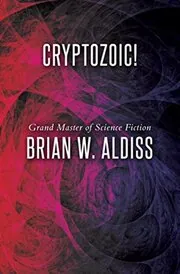
This psychological science fiction novel moves from prehistoric shores to royal absurdity and stranger zones beyond created time. Aldiss makes it dreamlike and unstable, less about gadgets than about consciousness, history, and perception.
A Report on Probability
by Brian Aldiss
1968
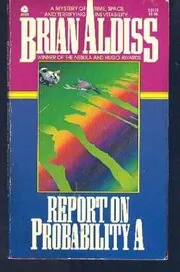
A quiet house, a stalking cat, a woman indoors, and watchers observing watchers from multiple vantage points, that is the whole eerie machine. Aldiss turns stillness and repetition into a tense, puzzling study of perception.

Barefoot in the Head
by Brian Aldiss
1969
After Europe is saturated with hallucinogenic weapons, reality itself starts to fracture. Aldiss follows hippy figure Colin Charteris through the ruins of a chemically altered culture in one of his boldest experimental novels.

Intangibles, Inc.: And Other Stories
by Brian Aldiss
1969
Five long stories make up this collection, each taking a different route into absurdity, satire, or speculative unease. Aldiss uses the longer short form brilliantly here, giving strange premises room to unfold.
Neanderthal Planet
by Brian Aldiss
1969
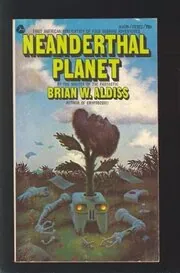
A writer imagines a planet called Nehru, then finds himself caught inside a version of that primitive world. Aldiss uses the setup to play games with authorship, civilization, and what counts as reality.
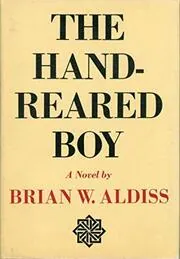
The Hand-Reared Boy
by Brian Aldiss
1970
Horatio Stubbs stumbles through adolescence, desire, and scandal in wartime England. Aldiss makes the book comic, awkward, and unexpectedly tender, turning one boy's sexual education into a sharper portrait of repression and class.

The Moment of Eclipse
by Brian Aldiss
1970
Aldiss's late 1960s stories roam through the present, the near future, and stranger elsewheres. The collection feels varied but coherent, tied together by unease, invention, and an interest in contradictions people carry around with them.
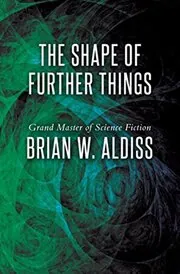
The Shape of Further Things
by Brian Aldiss
1970
This diary-like nonfiction book blends autobiography, speculation, domestic detail, and thoughts about science and change. It shows Aldiss thinking on the page, moving easily between ordinary life and much bigger questions.

A Soldier Erect
by Brian Aldiss
1971
Horatio Stubbs trades schoolboy fantasies for army life in India and Burma during the war. The novel is ribald and funny, but it also catches the dirt, fear, and grotesque energy of military life remarkably well.

Comic Inferno / The Book of Brian Aldiss
by Brian Aldiss
1972
A generous story collection that shows Aldiss moving easily between satire, fantasy, and harder-edged science fiction. It is a good place to see how playful and how unsettling his shorter work could be.
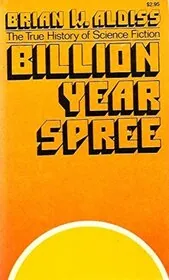
Billion Year Spree
by Brian Aldiss
1973
Aldiss's original grand history of science fiction argues that the genre has deep roots and a distinctive imaginative project. It is brisk, provocative, and essential for seeing how he understood the field he worked in.

Equator
by Brian Aldiss
1973
An early short novel that already shows Aldiss leaning away from simple adventure toward more uncertain speculative ground. The tensions are not just external, they are cultural, psychological, and quietly political as well.
Frankenstein Unbound
by Brian Aldiss
1973
Joe Bodenland is hurled back to 1816 Switzerland and finds Victor Frankenstein and Mary Shelley waiting there. Aldiss turns literary history into a time-travel nightmare about creation, responsibility, and the future's violence.
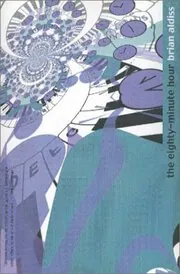
The Eighty-Minute Hour
by Brian Aldiss
1974
Aldiss's strangest space opera throws songs, time-slips, and post-nuclear chaos into the same machine. The result is wild, ambitious, and knowingly absurd, a future that can barely keep track of where or when it is.
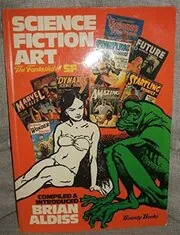
Science Fiction Art
by Brian Aldiss
1975
Aldiss surveys the visual side of the genre, from pulps and magazines to more polished later work. It is both a history of imagery and a reminder that science fiction has always been a picture-making art.

Brothers of the Head
by Brian Aldiss
1977
Siamese twin boys with a dormant third head become a freakish pop sensation, and success only worsens the strain between them. Aldiss makes the rock-star premise tragic, grotesque, and strangely moving.

Last Orders
by Brian Aldiss
1977
A short story collection full of dark wit, imaginative sidesteps, and uneasy endings. Aldiss uses the form to test ideas quickly, often finding human vanity and loneliness in the middle of very strange situations.

A Rude Awakening
by Brian Aldiss
1978
Horatio Stubbs reaches Sumatra after the war, just as private appetites collide with the birth pains of the Indonesian republic. Aldiss keeps the book bawdy and comic, but history keeps pressing hard at the edges.
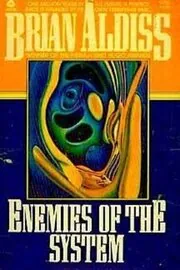
Enemies of the System
by Brian Aldiss
1978
A million years ahead, humanity has become a rational utopian species governed by Biocom. When members vanish on a less regulated world, Aldiss tests how stable that perfection really is under pressure.

New Arrivals, Old Encounters
by Brian Aldiss
1979
Aldiss returns to first contacts, awkward meetings, and the eerie gap between old habits and new realities. The stories are imaginative, but they are just as interested in the failures of human understanding.

Pile
by Brian Aldiss
1979
This poetry collection shows a different Aldiss, more compressed and meditative, but still alert to odd detail and sudden tonal shifts. The poems often feel like thoughts caught in motion rather than polished display pieces.

This World and Nearer Ones
by Brian Aldiss
1979
A collection of essays and reflections on familiar places, ideas, and habits of mind. Aldiss looks closely at the ordinary world and finds it no less strange than one of his imagined futures.
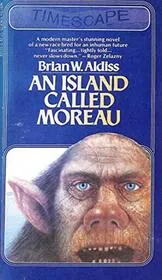
An Island Called Moreau
by Brian Aldiss
1980
This is Aldiss's alternate title for *Moreau's Other Island*, a survival story that becomes a sharp modern answer to Wells. Shipwreck, political power, and biological unease all gather on one ominous island.

Life in the West
by Brian Aldiss
1980
Thomas C. Squire, cultural impresario, ex-agent, and family troublemaker, heads to a symposium in Sicily while his private life frays. Aldiss uses his story to explore marriage, class, memory, and England's uneasy place in the world.
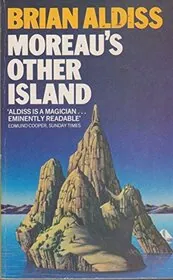
Moreau's Other Island
by Brian Aldiss
1980
After sabotage strands him in the Pacific, a lone survivor reaches an island marked by a giant M. Aldiss riffs on H. G. Wells and modern geopolitics at once, turning shipwreck and survival into a dark speculative fable.

Foreign Bodies
by Brian Aldiss
1981
Aldiss gathers tales of estrangement, travel, and bodily unease in a volume that keeps shifting the reader's footing. It is a good example of how often he used the strange to expose the familiar.

Farewell to a Child
by Brian Aldiss
1982
A slim poetry collection marked by loss, tenderness, and emotional restraint. Aldiss lets the feeling come through clearly, without trying to make grief tidier than it really is.
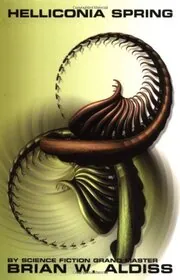
Helliconia Spring
by Brian Aldiss
1982
After centuries of winter, Helliconia begins to thaw and human societies push outward again, under threat from the phagors. This opening volume sets up the trilogy's great theme, history driven by climate on a planetary scale.
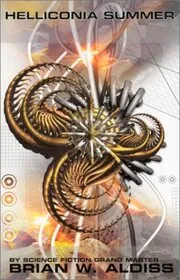
Helliconia Summer
by Brian Aldiss
1983
As Helliconia moves into summer, power, disease, religion, and empire all intensify. The planet warms, societies grow more complex, and Aldiss broadens his already huge canvas into something even more volatile and layered.

Seasons in Flight
by Brian Aldiss
1984
A reflective Aldiss novel about change, movement, and the pressure of larger systems on individual lives. Even when the scale widens, he keeps the emotional stakes personal and immediate.
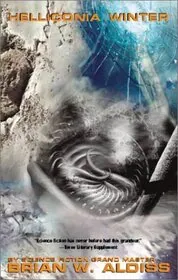
Helliconia Winter
by Brian Aldiss
1985
The great cycle swings toward cold, hardship, and political compression as Helliconia enters its long winter. Aldiss brings the trilogy to a harsher, more reflective close, without losing the scale of the world he built.

A Tupolev Too Far and Other Stories
by Brian Aldiss
1986
This collection of later stories mixes travel, political edges, black humor, and sudden imaginative leaps. Aldiss remains restlessly inventive, even when he is writing about recognizable modern settings.
And the Lurid Glare of the Comet/Articles and Autobiography
by Brian Aldiss
1986
A mix of autobiographical writing and critical pieces that lets Aldiss talk about books, culture, and his own path as a writer. It is a good snapshot of the public and private minds working together.
Pale Shadow of Science
by Brian Aldiss
1986
This nonfiction volume gathers Aldiss's thoughts on science, literature, and the long conversation between them. It is part criticism, part reflection, and a useful guide to how he thought about speculative writing.
Tales from the Planet Earth
by Brian Aldiss
1986
A story collection that roams across planets, futures, and strange human corners. Even at short length, Aldiss balances wit, melancholy, and the feeling that the universe is always larger and stranger than people think.
Trillion Year Spree
by Brian Aldiss
1986
Written with David Wingrove, this is Aldiss's revised and expanded history of science fiction. It is not a neutral textbook, but a lively, argumentative account of the genre's roots, mutations, and major turning points.

The Magic of the Past
by Brian Aldiss
1987
A reflective volume in which Aldiss turns back toward memory, history, and the afterlife of stories. It has the air of a writer testing what still glows when the main action is over.

The Year Before Yesterday / Cracken at Critical
by Brian Aldiss
1987
Aldiss playfully reworks older future visions into a world of authoritarian regimes and slipping realities. Alternate worlds, personal crisis, and speculative irony combine in a novel where nothing stays quite fixed.
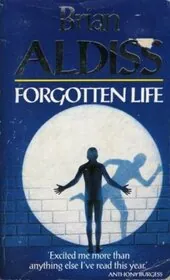
Forgotten Life
by Brian Aldiss
1988
Spanning fifty years and three continents, this novel follows three main characters as they search for meaning through comedy, grief, and change. Aldiss gives it large scope without losing the intimate mess of ordinary lives.
Ruins
by Brian Aldiss
1988
Hugh Billing moves between England and America in a stripped-down novella about breakdown, survival, and the slow recovery of purpose. Aldiss pares everything back to essentials, then lets human resilience do the heavy lifting.

Science Fiction Blues
by Brian Aldiss
1988
Essays, reflections, and criticism on science fiction as a form, a business, and a community. Aldiss writes with affection, irritation, and clarity, which is usually the most useful combination in genre criticism.

Sex and the Black Machine
by Brian Aldiss
1988
Aldiss mixes sexuality, technology, and social satire in this darkly comic late volume. It shows his interest in how appetite and machinery can distort each other, often in ridiculous and unsettling ways.

The Detached Retina
by Brian Aldiss
1988
A broad essay collection on science fiction and fantasy writers, themes, and arguments. Aldiss writes as a practitioner rather than a professor, so the criticism stays lively, opinionated, and close to the work itself.

Man in His Time
by Brian Aldiss
1989
Aldiss ranges across time slips, satire, disquiet, and speculative puzzles in this story collection. The title fits well, because even at his strangest he stays interested in how people belong, or fail to belong, in their moment.
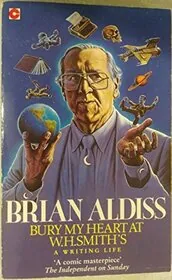
Bury My Heart at W.H. Smith's
by Brian Aldiss
1990
This memoir of a writing life ranges from Aldiss's Oxford bookselling days to the grind and chaos of publishing. It is funny, rueful, and especially good on the business side of being an author.
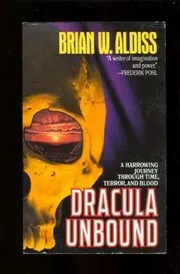
Dracula Unbound
by Brian Aldiss
1990
Joe Bodenland invents a machine for manipulating time and finds himself tied to far futures, ancient graves, and the Dracula myth. Aldiss turns horror, speculative science, and time travel into one ambitious Gothic puzzle.

Home Life With Cats
by Brian Aldiss
1992
A warm, playful poetry collection celebrating the cats Aldiss knew and loved. The poems are affectionate without being precious, and they catch both feline comedy and domestic companionship.
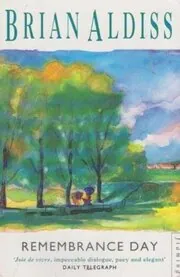
Remembrance Day
by Brian Aldiss
1993
Lives shaped by money, failure, exile, and post-Cold War Europe gradually converge toward violence in Great Yarmouth. Aldiss makes it both social panorama and personal reckoning, with comic and sad turns side by side.
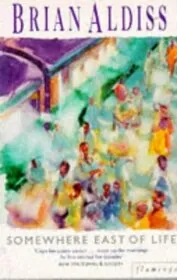
Somewhere East of Life
by Brian Aldiss
1994
A late contemporary novel that moves through a changing Europe, mixing private crisis with cultural and political unease. Aldiss keeps the borders uncertain, so travel, memory, and identity all start to shift under the reader's feet.

When The Feast Is Finished
by Brian Aldiss
1994
Aldiss writes movingly about his wife Margaret's terminal illness and the life they shared while facing it. It is restrained, intimate, and all the more powerful for refusing easy consolation.

At the Caligula Hotel
by Brian Aldiss
1995
A poetry collection with a late, observant, sometimes sardonic voice. The poems are alert to travel, mortality, and the comic spectacle of human self-importance.

The God Who Slept With Women
by Brian Aldiss
1995
Aldiss blends mythic play, sexuality, and satire in this irreverent late work. It is interested less in piety than in appetite, power, and the absurd stories civilizations tell about both.
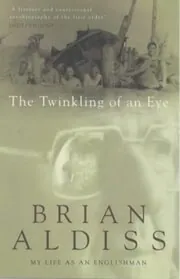
The Twinkling of an Eye or My Life as an Englishman
by Brian Aldiss
1998
Aldiss's full-scale autobiography, covering childhood, the army, bookselling, marriage, breakdown, literary quarrels, and science fiction history from the inside. It reads like a life story and a map of postwar British literary culture.

White Mars / The Mind Set Free
by Brian Aldiss
1999
A small human society is stranded on Mars and forced to imagine what a better civilization might look like. This is Aldiss at his most openly utopian, but he keeps the debate human, political, and precarious.

A Chinese Perspective
by Brian Aldiss
2000
Set partly among Aldiss's Zodiacal Planets and partly in a future China that still prizes ancient traditions, this novella is dreamlike and elegiac. It is one of his gentler, stranger late speculative works.
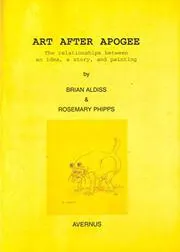
Art After Apogee
by Brian Aldiss
2000
Part memoir, part meditation, this nonfiction book explores how an idea becomes a story, and how a story can become an image. It is a thoughtful look at Aldiss as both writer and visual artist.

Plutonian Monologue
by Brian Aldiss
2000
A poetry collection shaped by grief, especially the loss of Aldiss's wife. The poems are direct, sorrowful, and often quietly conversational, letting mourning speak without much ornament.

Supertoys Last All Summer Long and Other Stories of Future Time
by Brian Aldiss
2001
This collection brings together Aldiss's later future stories, including the title piece that inspired *A.I. Artificial Intelligence*. Technology, artificial feeling, and human loneliness keep rubbing against one another throughout.

The Cretan Teat
by Brian Aldiss
2001
An aging writer chases inspiration, desire, and self-mockery from Crete back to London in this sly late novel. Aldiss turns authorship itself into part of the comedy, along with sex, memory, and the stories people tell about themselves.

A New (Governmental) Father Christmas
by Brian Aldiss
2002
A short satirical fable that uses Father Christmas to poke at bureaucracy, public virtue, and modern civic absurdity. Aldiss keeps it light on its feet, but the political mischief is unmistakable.
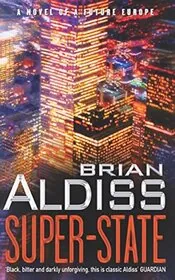
Super State
by Brian Aldiss
2002
In a near-future Europe strained by war and climate change, an android wedding, political unrest, and a mission to Jupiter pull together into one restless vision. Aldiss makes the future feel both absurd and worryingly close.

The Dark Sun Rises
by Brian Aldiss
2002
A poetry collection with a late Aldiss tone, skeptical, reflective, and still capable of flashes of wonder. The poems often hold light and darkness in the same small space.

Affairs At Hampden Ferrers
by Brian Aldiss
2004
A village church anniversary should be a quiet celebration, until secrets, love affairs, Chinese students, and a television celebrity stir up miracles and trouble. Aldiss mixes country comedy, romance, and magic in an Oxfordshire setting.

Cultural Breaks
by Brian Aldiss
2005
Aldiss's last story collection gathers short fiction that is witty, restless, and faintly abrasive in the best way. Even late on, he was still testing where culture cracks and what leaks through.
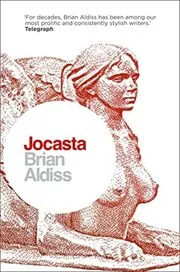
Jocasta
by Brian Aldiss
2005
Aldiss retells the Theban tragedies through Jocasta, with myth and magic treated as living forces rather than distant symbols. The result is a strange, vivid reworking of Oedipus, Antigone, fate, and interpretation.
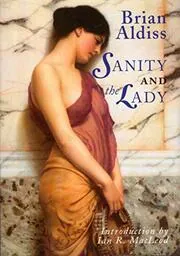
Sanity and the Lady
by Brian Aldiss
2005
This satirical novella plays with who gets to define sanity and who benefits from doing so. Aldiss turns psychological authority and social control into a sharp, often funny contest of labels, power, and defiance.
The Starry Messenger
by Brian Aldiss
2006
A reflective Aldiss volume that turns toward science, wonder, and the long human habit of looking outward. It carries the same mix of curiosity and skepticism that runs through his best speculative work.
Harm
by Brian Aldiss
2007
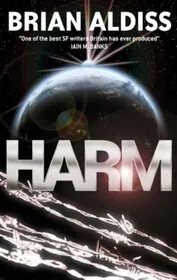
In the near future, a young writer of Muslim heritage is arrested without cause and held in brutal isolation. To endure it, he imagines another world, until the prison novel in his head begins to bleed into reality.

A Prehistory of Mind
by Brian Aldiss
2008
Aldiss turns to poetry to think about deep time, consciousness, and the long story behind human thought. The result is speculative in spirit even when it leaves conventional science fiction behind.

Walcot
by Brian Aldiss
2009
Beginning on the North Norfolk coast, this family saga follows the Fieldings through the storms and upheavals of the twentieth century. Aldiss scales up from one household to a whole age, without losing the feel of individual lives.

Mortal Morning
by Brian Aldiss
2011
A late poetry collection preoccupied with age, mortality, and the stubborn vividness of daily experience. The voice is calm, intelligent, and unwilling to flatter either life or death.

An Exile on Planet Earth
by Brian Aldiss
2012
This late collection gathers personal and revealing essays by Aldiss on books, memory, travel, and the life of a writer. It is reflective, companionable, and full of the sideways intelligence that marks his fiction.
Finches of Mars
by Brian Aldiss
2012
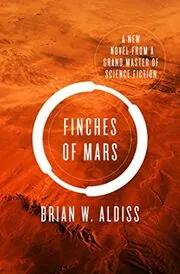
A group of colonists tries to build a future on Mars, only to discover that survival and flourishing are not the same thing. The planet can keep them alive, but the problem of stillborn children hangs over every hope.

Comfort Zone
by Brian Aldiss
2013
Set in contemporary Oxford, this novel follows a neighborhood as plans for a new mosque bring buried prejudice to the surface. Aldiss keeps the tensions intimate and local, showing how fear can poison everyday community life.

The Invention of Happiness
by Brian Aldiss
2013
A reflective late Aldiss work about desire, memory, and the slippery idea of a life well lived. He approaches happiness not as a prize to win, but as something unstable, arguable, and hard to narrate honestly.

Songs from the Steppes
by Brian Aldiss
2014
Aldiss turns to verse and versification here, bringing poems from Central Asia into clear, readable English. It is a reminder that his curiosity was never limited to one genre or one literary tradition.
The Malacia Tapestry
by Brian Aldiss
2014
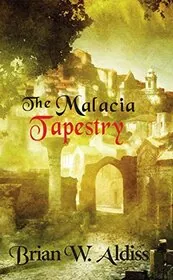
Perian de Chirolo, actor and man-about-town, wanders the rich, decaying city of Malacia and stumbles into its darker secrets. Aldiss turns an alternate Renaissance-style setting into a witty, atmospheric novel of pleasure, politics, and unease.

The Complete Short Stories: The 1950s
by Brian Aldiss
2015
This volume collects Aldiss's early short fiction from the decade when his career began. You can watch him learning fast, testing forms, and building the ironic, humane style that would define so much later work.

The Complete Short Stories: The 1960s (Part 1)
by Brian Aldiss
2015
The first half of Aldiss's 1960s short fiction shows him expanding in every direction, formal, political, comic, and strange. It is a strong record of a writer refusing to settle into one mode.

The Complete Short Stories: The 1960s (Part 2)
by Brian Aldiss
2015
This second 1960s volume continues the run of adventurous short fiction, with Aldiss moving between satire, experiment, and more traditional speculative setups. The range is wide, but the intelligence behind it stays steady.

The Twinkling of an Eye
by Brian Aldiss
2015
Aldiss's autobiography follows him from Norfolk childhood and wartime service to Oxford bookselling, literary battles, and science fiction fame. It is candid, funny, and full of sharp portraits of the people and movements that shaped his life.

Three Types of Solitude
by Brian Aldiss
2019
A compact late volume centered on separation, inwardness, and the odd shapes loneliness can take. Aldiss keeps the mood reflective, but he never lets solitude become simple or sentimental.

Hello Earth, Are You There?
by Brian Aldiss
2025
A collection that returns to one of Aldiss's oldest concerns, the difficulty of making contact across distance, whether technological, emotional, or cosmic. It is a fitting title for a writer who kept calling outward.
Where to start with Brian Aldiss
For classic big-idea science fiction: Non-Stop / Starship → Hothouse / The Long Afternoon of Earth → Greybeard
For vast world-building: Helliconia Spring → Helliconia Summer → Helliconia Winter
For Aldiss at his strangest: Barefoot in the Head → A Report on Probability → The Malacia Tapestry
For his more personal, earthy side: The Hand-Reared Boy → A Soldier Erect → A Rude Awakening
Brian Aldiss sub-series and character series
Brian Aldiss collections, short stories, and related book types
Non-Fiction
Short Story Collections
Short Stories/Novellas
Standalone Brian Aldiss books
Author bio
Brian Aldiss was born in East Dereham, Norfolk, in 1925, and some of his earliest memories were of the family living above his grandfather's draper's shop. He started making up stories when he was very young. His mother even kept some of those childhood efforts, which feels fitting for a writer who never really lost his appetite for invention.
School was harder. He was sent away first to Framlingham College in Suffolk and later to West Buckland School in Devon, experiences he remembered with a mix of dread, loneliness, and sharp observation. Those early years helped form a writer who could be funny and unsparing at the same time, and who was always alert to the way institutions shape the people inside them.
War stayed with him.
In 1943 he joined the Royal Corps of Signals and served in India, Burma, Sumatra, Singapore, and Hong Kong during the Second World War. Those years later fed directly into his fiction, especially the Horatio Stubbs books, where military life appears not as clean heroics but as something muddled, comic, sexual, brutal, and very human.
After the war he settled in Oxford and worked as a bookseller at Sanders. That job changed everything. He began writing comic pieces about bookshop life for the trade paper The Bookseller, under the name Peter Pica, and those sketches grew into his first book, The Brightfount Diaries. Around the same time he was selling science fiction stories to magazines, and before long writing was paying enough for him to leave the shop behind.
He was never content to write the same book twice.
Some readers first meet him through the early science fiction novels, and they are still a very good doorway in. Non-Stop / Starship turns a lost-tribe adventure into a great locked-world puzzle. Hothouse / The Long Afternoon of Earth imagines a far-future planet swallowed by monstrous plant life. Greybeard is quieter and sadder, a novel about an ageing humanity facing the end of its line. What ties them together is not a single style so much as a habit of asking what people become when the world shifts under their feet.
But Aldiss could also swerve into very different territory. The Dark Light Years is a first-contact novel built on radical misunderstanding. Barefoot in the Head is wild, fractured, and experimental. The Hand-Reared Boy and A Soldier Erect are earthy, scandalous, and often very funny, drawing on memory as much as invention. He was associated with the British New Wave in science fiction, but labels only go so far with a writer who liked changing the rules midstream.
His biggest canvas may be the Helliconia trilogy, Helliconia Spring, Helliconia Summer, and Helliconia Winter, where entire civilizations rise and fall under seasons that last for centuries. He also wrote Supertoys Last All Summer Long, the short story that became the seed for the film A.I. Artificial Intelligence. Alongside the fiction he edited anthologies, wrote criticism, and produced two important histories of the genre, Billion Year Spree and, with David Wingrove, Trillion Year Spree. Over the years he picked up major honors, including Hugo and Nebula recognition, the SFWA Grand Master title, and an OBE.
In later life he stayed in Oxford, kept writing, and also exhibited his artwork. Books such as Finches of Mars and Comfort Zone show that he remained curious about the future and prickly about the present well into old age. He died in Oxford in 2017, a day after his ninety-second birthday.
Read across his work and a few things keep returning: people trapped in systems they barely understand, nature refusing to stay in the background, sex as comedy and trouble, and the feeling that human beings are both ridiculous and worth caring about. That mix is very Brian Aldiss.



Edited by
Software engineer whose passion for tracking book recommendations from podcasts inspired the creation of MRB.
Lead investor at 3one4 Capital whose startup expertise and love for books helped shape MRB and its growth.
Comments
Did we miss something? Have feedback?
Help us improve this page by sharing your thoughts