
Boris Pasternak Books in Order
Explore Boris Pasternak books in order, with short summaries and a guide to the series and standalone titles to help you choose where to start reading.
Last updated:
As an Amazon Associate, we earn from qualifying purchases (at no extra cost to you).
Boris Pasternak books in publication order
15 books
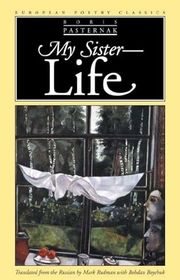
My Sister, Life
by Boris Pasternak
1922
Written amid the mounting tensions of 1917, this cycle follows personal journeys and experiences of love. Intimate feeling unfolds against the uncertainty and promise of revolution, placing an individual life beside a country approaching upheaval.
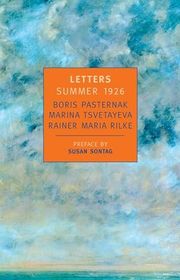
Letters
by Boris Pasternak
1926
Separated by exile, political upheaval, and illness, three poets exchange letters during the summer of 1926. Their correspondence explores love, artistic work, and the personal pressures shaping their lives across Russia and Europe.
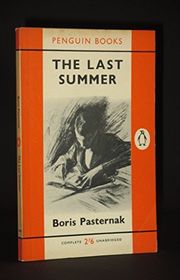
The Last Summer
by Boris Pasternak
1934
Visiting his sister during the First World War, Serezha recalls his life in Moscow before the fighting began. Memories of two women and their difficult circumstances draw the young poet toward an imagined work of art.

Poems of Boris Pasternak
by Boris Pasternak
1958
This compact selection gathers fifteen poems by Boris Pasternak, issued shortly after his Nobel Prize. With a foreword by Hugh Macdiarmid, it offers a brief introduction to his verse for readers approaching his poetry.

Safe Conduct
by Boris Pasternak
1958
Pasternak reconstructs his early life through vivid impressions rather than a continuous chronology, tracing his formation as an artist. Short stories and selected poems accompany the memoir, extending its exploration of perception, creativity, and experience.
I Remember
by Boris Pasternak
1959
Pasternak revisits childhood and adolescence through scenes that shaped his imagination. These autobiographical sketches follow the experiences behind his artistic development, offering a personal account of how a young observer became a poet and novelist.
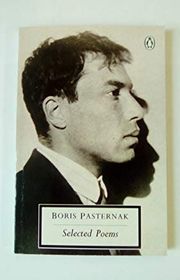
Selected Poems
by Boris Pasternak
1960
Pasternak explores love, faith, and the value of life in a selection of poems translated by Jon Stallworthy and Peter France. Personal feeling meets ethical and religious questions throughout this introduction to his verse.
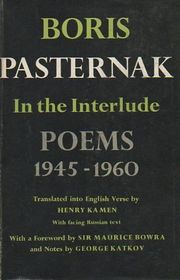
In the Interlude
by Boris Pasternak
1962
This bilingual collection presents poems written during Pasternak’s later years, from 1945 to 1960. Russian texts appear alongside English translations, offering readers a selection from the period surrounding his work on Doctor Zhivago.
Fifty Poems
by Boris Pasternak
1963

The Poems of Doctor Zhivago
by Boris Pasternak
1965
The twenty-five poems associated with Doctor Zhivago appear together with a critical discussion of their place in the novel. The volume considers how they contribute to its narrative and how they stand as poetry.
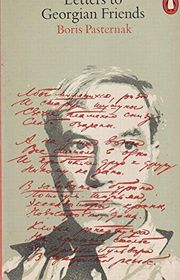
Letters to Georgian Friends
by Boris Pasternak
1967
Letters written between 1931 and 1959 trace Pasternak’s friendships with Georgian poets and their families. Personal concerns, literary ideas, and political persecution emerge through correspondence sustained across Stalin’s purges and the difficulties of his final years.
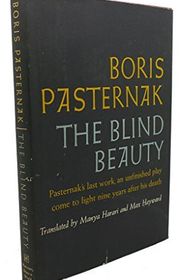
The Blind Beauty
by Boris Pasternak
1969
An enslaved artist lives within the constraints of Russian serfdom in this unfinished play. Planned as part of a larger dramatic work, it explores a society approaching the emancipation that would transform its established order.
Pasternak on Art and Creativity
by Boris Pasternak
1985
Pasternak examines artistic creation through essays, speeches, notes, autobiography, and passages from Doctor Zhivago. Angela Livingstone supplies translations and commentary that connect his reflections on writing with broader questions about language, culture, and history.
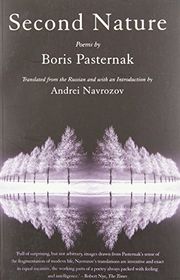
Second Nature
by Boris Pasternak
1990
Pasternak turns landscapes and everyday encounters with nature into lyric poems that explore the life around him. Andrei Navrozov translates this selection, bringing its changing scenery and closely observed experience into English verse.
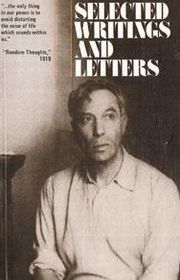
Selected Writings and Letters
by Boris Pasternak
1990
Poems from Doctor Zhivago appear alongside prose, literary articles and letters to friends in this selection. Autobiographical writing and reflections on translation bring together Pasternak's creative work, personal correspondence and thoughts about literature.
Where to start with Boris Pasternak
For a first sample of the poetry: Selected Poems
For a central poetry collection: My Sister, Life
For autobiographical prose: Safe Conduct
For verse associated with his novel: The Poems of Doctor Zhivago
Standalone Boris Pasternak books
Author bio
Boris Pasternak was born in Moscow in 1890, the son of painter Leonid Pasternak and pianist Roza Kaufman. Art and music were part of his family life before he chose writing. He studied music, then philosophy in Moscow and Marburg, before making poetry his central pursuit. Those changes of direction help place a body of work in which sound, thought and sharply perceived impressions are often closely linked.
Poetry came before the novel that made his name familiar abroad.
My Sister, Life established his distinctive voice, and it's a useful place to begin among the books here. His poetry is known for musical language and images that connect through association. The natural world also matters: weather, landscape and passing moments become part of an intense experience of being alive. Readers who enjoy poems that require a little time and attention may find that a small selection is a better first step than trying to take in a whole collection at once.
Pasternak's career unfolded under growing pressure from the Soviet state. He turned to translating Shakespeare and other foreign writers during periods when his own writing was constrained. His novel Doctor Zhivago was published abroad after Soviet publication had been blocked. Awarded the Nobel Prize in Literature in 1958, he declined the honor while facing threats from the authorities. That history is central to his public story, but the poetry, letters and prose offer ways to meet the writer beyond the controversy surrounding the novel.
Safe Conduct takes an unusual approach to autobiography. Its memories arrive through distinct impressions and juxtapositions, rather than proceeding as a straightforward chronological account. It's a choice for readers interested in how an artist remembers the formation of a creative life. The structure asks you to follow the connections between experiences as much as the sequence in which they happened.
His life also comes into view through correspondence.
The Poems of Doctor Zhivago offers a more concentrated route toward the verse associated with the novel, while Second Nature focuses attention on landscapes and encounters with the natural world. These collections are different ways of approaching his language, rather than installments in a story that must be read in order.
Pasternak died in Peredelkino, the writers' village outside Moscow, in 1960. Begin with Selected Poems for a broad sample, My Sister, Life for a central collection, or Safe Conduct for autobiographical prose. The books gathered here make it possible to move between poems and the writer's thoughts about art without needing to start with the famous novel. They also show why a reader interested in Pasternak can find more than one kind of writing worth returning to.





Edited by
Software engineer whose passion for tracking book recommendations from podcasts inspired the creation of MRB.
Lead investor at 3one4 Capital whose startup expertise and love for books helped shape MRB and its growth.
Comments
Spotted a missing book, a wrong order or a mistake? Tell us and we'll fix this page.
We're a reading guide, not the author or publisher, so we can't send books or pass on messages.