
Booth Tarkington Books in Order
Browse Booth Tarkington books in order, with series lists, short summaries, Pulitzer winners, and tips on where to start with his best-known fiction.
Last updated:
As an Amazon Associate, we earn from qualifying purchases (at no extra cost to you).
Booth Tarkington books in publication order
63 books
The Gentleman from Indiana
by Booth Tarkington
1899
John Harkless takes over a small Indiana newspaper and slowly becomes part of the town he once held at a distance. Politics, local feuds, and romance all test his sense of purpose.
Monsieur Beaucaire
by Booth Tarkington
1900
A mysterious French gentleman turns the elegant world of Bath upside down with wit, disguise, and impeccable nerve. The book is a period romance built on style, secrets, and wounded pride.

Old Gray Eagle
by Booth Tarkington
1901
This early story looks at public life through the rise and wear of a seasoned political figure. Tarkington is interested in charm, compromise, and the private cost of staying in the game.

The Two Vanrevels
by Booth Tarkington
1902
Set in a small Midwestern city, this novel mixes family reputation, romance, and old-fashioned honor. Tarkington keeps the mood warm and witty even when loyalties start to clash.
Cherry
by Booth Tarkington
1903
An early romantic novel about two men competing for Sylvia and trying to prove what kind of life they can offer her. Tarkington blends courtship, pride, and social expectation in a lighter register.
In the Arena
by Booth Tarkington
1905
These linked stories draw on local politics, showing bosses, reformers, speeches, and backroom bargains in action. Tarkington writes the gamesmanship sharply, but he also cares about conscience.

The Flirt
by Booth Tarkington
1913
A charming young woman discovers that treating courtship like a game can damage more than one heart. Tarkington builds a quick social novel out of vanity, misunderstanding, and consequences.
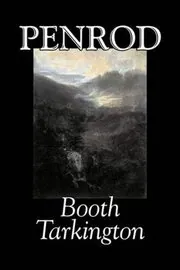
Penrod
by Booth Tarkington
1914
This comic classic follows Penrod Schofield through school, pranks, punishments, and the glorious seriousness of being eleven. Tarkington treats boyhood as chaos, theater, and hard-earned pride.

The Man from Home
by Booth Tarkington
1915
In this popular play, a plainspoken American abroad cuts through old-world scheming with homespun nerve. Tarkington and Harry Leon Wilson build the comedy around culture clash and loyalty.
The Turmoil
by Booth Tarkington
1915
Set in a booming Indiana city, this novel follows a family caught between business ambition and the cost of industrial growth. Smoke, money, and restless change press in on every household.
Penrod and Sam
by Booth Tarkington
1916
Penrod Schofield and his friend Sam Williams charge from one scheme to the next with total confidence and very little foresight. The result is a lively chain of boyhood disasters and triumphs.
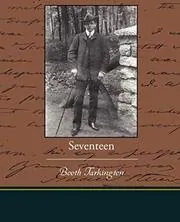
Seventeen
by Booth Tarkington
1916
Willie Baxter is seventeen, self-dramatizing, and hopelessly in love with visiting beauty Lola Pratt. Tarkington captures adolescent humiliation so well that the comedy still stings.

The Rich Man's War
by Booth Tarkington
1917
Published during World War I, this novel weighs patriotism against privilege and asks who is really expected to sacrifice. Tarkington uses personal drama to expose the class strain inside wartime rhetoric.

Harlequin and Columbine
by Booth Tarkington
1918
A successful stage star, a nervous playwright, and a perceptive young actress collide during rehearsals in New York. The book is a smart backstage story about ego, performance, and real feeling.
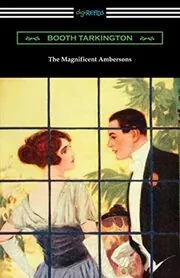
The Magnificent Ambersons
by Booth Tarkington
1918
The once grand Amberson family finds its place shrinking as automobiles, new money, and modern habits remake the town. At the center is George Amberson Minafer, spoiled enough to help speed the fall.
Beasley's Christmas Party
by Booth Tarkington
1919
A newcomer to town becomes fascinated by David Beasley, a solitary political figure whose house hides an unusual Christmas celebration. The story blends gentle humor, loneliness, and holiday warmth.

Beauty and the Jacobin
by Booth Tarkington
1919
During the French Revolution, love and danger cross paths in this historical tale of aristocrats, politics, and divided loyalties. Tarkington keeps the tone swift, dramatic, and lightly theatrical.
His Own People
by Booth Tarkington
1919
A successful man returns to Indiana and finds that class feeling, family expectations, and old loyalties are harder to master than public reputation. Tarkington keeps the stakes personal as well as social.

The Beautiful Lady
by Booth Tarkington
1919
Set in Europe, this romantic novel follows a young American drawn toward an elusive woman whose beauty becomes a kind of obsession. Tarkington mixes travel, longing, and old-world atmosphere.

The Conquest of Canaan
by Booth Tarkington
1919
In the divided town of Canaan, an outsider's reputation and a woman's loyalty become the center of old grudges and civic hypocrisy. Tarkington turns local scandal into a tense story of love, class, and redemption.
The Gibson Upright
by Booth Tarkington
1919
This stage comedy, written with Harry Leon Wilson, uses domestic confusion and social pretension for laughs. Expect a brisk, talky piece built for entrances, reversals, and comic timing.
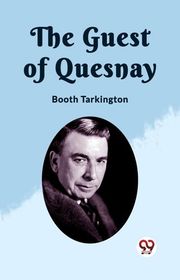
The Guest of Quesnay
by Booth Tarkington
1919
An American drifter lands in a French household where memory, identity, and romance begin to shift around him. Tarkington gives the story a light, continental feel with a stranger at its center.

Neither Dead nor Sleeping
by Booth Tarkington
1920
This edition is notable for Tarkington's introduction to May Wright Sewall's spiritualist memoir. The book itself records Sewall's claimed communications with the dead and her attempt to make sense of them.
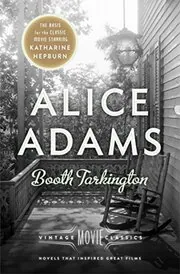
Alice Adams
by Booth Tarkington
1921
Alice Adams wants entry into a world just above her family's means, and every social call feels like a test. Tarkington makes her ambition, embarrassment, and stubborn hope painfully human.
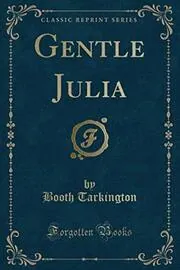
Gentle Julia
by Booth Tarkington
1922
Julia Atwater is used to admiration, and that confidence gets tested when love and ordinary decency ask more of her than charm. It's a brisk social comedy about vanity, flirtation, and small-town manners.

The Works of Booth Tarkington ...
by Booth Tarkington
1922
This collected volume gathers multiple Tarkington works in one place, making it a broad sampler of his fiction and drama. It's best for readers who want a shelf-style overview rather than a single story.

The Collector's Whatnot
by Booth Tarkington
1923
Part guidebook, part rambling handbook, this volume offers advice and amusement for collectors of antiques. Tarkington shares the pleasures, follies, and practical details of hunting old objects.

The Fascinating Stranger and Other Stories
by Booth Tarkington
1923
A varied story collection that moves from social comedy to stranger, more reflective tales. Tarkington uses short form well, giving even minor characters a sharp outline and a secret ache.

Just Princeton
by Booth Tarkington
1924
A brief, affectionate portrait of Princeton as Tarkington remembered it, mixing campus scenes with reflections on college spirit. It is less a formal history than a personal return to place.
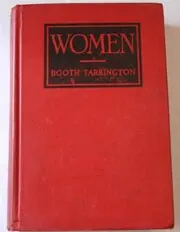
Women
by Booth Tarkington
1925
Set among suburban households, this novel follows several women as marriage, reputation, and private disappointment shape their days. Tarkington watches the talk, tensions, and quiet strategies behind respectable domestic life.

About Fred C. Kelly, author of Kellygrams
by Booth Tarkington
1926
A short tribute in which Tarkington introduces journalist Fred C. Kelly and comments on the wit behind the Kellygrams pieces. It is a small piece of literary friendship and recommendation.

Strack selections from Booth Tarkington's stories
by Booth Tarkington
1926
This anthology selects shorter pieces from Tarkington for classroom or reading use. It offers a compact way to sample his humor, dialogue, and gift for character.

The Plutocrat
by Booth Tarkington
1927
On an ocean voyage and European tour, a young American playwright falls into a tangle of class, money, and romantic fascination. Tarkington uses travel comedy to poke at wealth and self-deception.
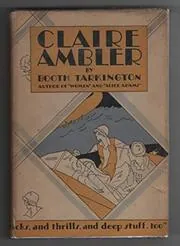
Claire Ambler
by Booth Tarkington
1928
Claire Ambler follows a clever, self-conscious young woman as beauty, vanity, and real feeling pull her in different directions. Tarkington turns a flapper-era social comedy into a sharper study of growing up.
The World Does Move
by Booth Tarkington
1928
Part memoir and part social reflection, this book looks back over the years 1900 to 1928 and the speed of change within them. Tarkington writes about theater, art, technology, and what modern life was sweeping away.

Penrod Jashber
by Booth Tarkington
1929
Penrod and Sam are back, and this time Penrod takes on the grand role of detective George B. Jashber. One long prank-filled adventure gives the book a slightly tighter plot than the earlier volumes.

Ramsey Milholland
by Booth Tarkington
1929
Ramsey grows from combative small-town boy to young man while carrying a long, awkward devotion to Dora Yocum. Tarkington blends schoolroom comedy, first love, and the shadow of wartime change.
Young Mrs. Greeley
by Booth Tarkington
1929
Newly married Della Greeley tries to find her footing in society, romance, and marriage without making a fool of herself first. Tarkington treats her ambitions with wit, sympathy, and plenty of social comedy.
Mary's Neck
by Booth Tarkington
1932
A later Tarkington novel about love, reputation, and the way one impulsive attachment can reshape several lives. He balances comedy of manners with a sharper look at small-town judgment.
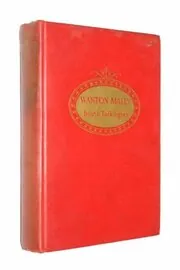
Wanton Mally
by Booth Tarkington
1932
Set in the England of Charles II, this historical romance follows exiled courtiers, daring escapades, and a headstrong young woman tied to a lonely moor called Wanton Mally. Tarkington leans into wit, intrigue, and period color.
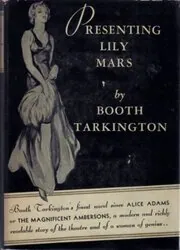
Presenting Lily Mars
by Booth Tarkington
1933
Small-town Indiana dreamer Lily Mars heads toward the theater world with more nerve than polish. Her climb toward the stage is funny, romantic, and full of backstage collisions.
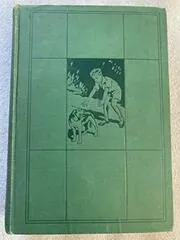
Little Orvie
by Booth Tarkington
1934
Little Orvie wants a dog badly, and one small wish sets off a chain of comic trouble at home. It's a tender, lively look at childhood stubbornness, love, and everyday family rules.

Mr. White, The red barn, Hell, and Bridewater
by Booth Tarkington
1935
Four unusual stories gathered with a preface by Tarkington, this volume leans more eccentric than his better-known social novels. It shows him trying stranger moods without losing his storyteller's snap.
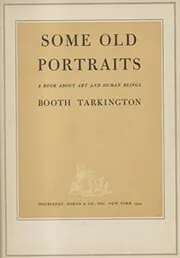
Some Old Portraits
by Booth Tarkington
1939
A reflective set of essays on seventeenth-century portraiture and the lives suggested by old faces on canvas. It shows Tarkington the art lover, looking closely and imaginatively at pictures from the past.
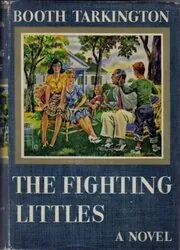
The Fighting Littles
by Booth Tarkington
1941
A funny family novel about the rambunctious Little clan, whose quarrels and loyalties keep household life in constant motion. Tarkington turns ordinary domestic chaos into warmhearted comedy.

To the Girls and Boys of Indianapolis
by Booth Tarkington
1942
In this short public appeal, Tarkington addresses Indianapolis children directly and asks them to help with the wartime cause. It offers a glimpse of his civic voice late in life.

Kate Fennigate
by Booth Tarkington
1943
Kate Fennigate has spent her life trying to manage everyone around her, including herself. Tarkington turns her rivalry, sacrifice, and tangled love life into a sharp domestic drama.
Booth Tarkington on Dogs
by Booth Tarkington
1944
A small, affectionate nonfiction volume about the pleasures, habits, and mysteries of dogs. Tarkington writes with humor and the easy fondness of someone who clearly preferred real animals to sentimentality.

An Open Letter from Booth Tarkington
by Booth Tarkington
1945
This brief public letter shows Tarkington stepping out of fiction to address a national audience directly. It is best read as a wartime statement of civic concern rather than a story.
Lady Hamilton and Her Nelson
by Booth Tarkington
1945
This short historical play revisits the bond between Emma Hamilton and Admiral Nelson against the pressure of war and public duty. Tarkington treats the famous romance as both intimate and patriotic.

The Showpiece
by Booth Tarkington
1947
An unfinished late novel about spoiled, showy Irving Pease and the quieter cousin who grows in his shadow. Tarkington watches family affection, ego, and good citizenship collide from boyhood into adult life.
Image of Josephine
by Booth Tarkington
1948
Bailey Fount, a wounded veteran on leave, is drawn into the orbit of Josephine Oaklin at an Indiana art museum. Their uneasy connection turns into a story about pride, recovery, and seeing past polished surfaces.
Your Amiable Uncle
by Booth Tarkington
1949
A warm, funny set of illustrated letters Tarkington sent to his nephews while traveling abroad. The book shows his playful family side, full of teasing, affection, and travel impressions.
On Plays, Playwrights, And Playgoers
by Booth Tarkington
1959
This posthumous volume gathers Tarkington's thoughts on writing for the stage, producing plays, and living with audiences. It reads like an informal conversation about theater craft and theatrical life.
Looking Forward And Others.
by Booth Tarkington
1969
A nonfiction collection of reflective pieces, humor, and brief essays, including Looking Forward to the Great Adventure. It shows Tarkington thinking aloud about age, optimism, memory, and everyday absurdities.

Dr. Panofsky and Mr. Tarkington: An Exchange of Letters, 1938-1946
by Booth Tarkington
1974
This volume collects Tarkington's correspondence with Dr. Abraham Panofsky during the last years of his life. The letters offer a quieter, more personal view of the writer than the novels do.

Stories
by Booth Tarkington
1984
A general collection of Tarkington stories, likely meant to showcase the range of his shorter work. Expect a mix of humor, observation, and neatly turned social situations.
Mrs. Protheroe
by Booth Tarkington
2004
This short political tale centers on the poised, sharp-eyed Mrs. Protheroe, whose presence unsettles complacent men and changes the tone of public debate. Tarkington mixes social comedy with a sly look at power and performance.

Bimbo, the Pirate
by Booth Tarkington
2020
A one-act comedy of kidnappings, lovers, and an unexpectedly fastidious pirate captain named Deuteronomy Bimbo. Tarkington plays the swashbuckling setup for laughs rather than danger.

How's Your Health?
by Booth Tarkington
2020
A brisk comic play that turns everyday worries and social conversation into stage business. It is a smaller, lighter Tarkington piece built around talk, timing, and embarrassment.

Midlander
by Booth Tarkington
2020
The last Growth novel follows an Indiana city as real estate schemes, automobiles, and smoke remake daily life. Family loyalties and old values strain under the noisy push of modern progress.

Mister Antonio
by Booth Tarkington
2020
Antonio Camaradino, a generous street musician with grand feeling and comic dignity, is swept into romance after a rescue. The play balances sentiment, urban bustle, and a warmly theatrical lead.

The Trysting Place
by Booth Tarkington
2020
This one-act farce sets misunderstandings, hidden messages, and romantic timing loose in a single comic setup. It is light, quick, and built for stage business.
Where to start with Booth Tarkington
If you want his Pulitzer winners first: The Magnificent Ambersons → Alice Adams
If you want the big city-growth saga: The Turmoil → The Magnificent Ambersons → Midlander
If you want funny books about growing up: Penrod → Penrod and Sam → Penrod Jashber
If you want a smart early entry point: The Gentleman from Indiana → Monsieur Beaucaire → Seventeen
Booth Tarkington sub-series and character series
Booth Tarkington collections, short stories, and related book types
Short Story Collections
Non-Fiction
Standalone Booth Tarkington books
Author bio
Booth Tarkington was born in Indianapolis in 1869 and spent most of his life writing about the kinds of Midwestern towns he knew from the inside. Even when he sent characters to Europe or Broadway, he kept returning to Indiana streets, parlors, clubs, porches, and newspapers, because that was the ground that fed his imagination.
He went to school in Indianapolis, then at Phillips Exeter, and later studied first at Purdue and then at Princeton. At Princeton he threw himself into campus theater, acted, edited student writing, and helped shape what became the Triangle Club. He did not leave with a degree, but he left with a strong feel for performance, audience, and social comedy.
That mattered later.
For several years after college, Tarkington wrote and drew while trying to get published, and the early going was rough. Then The Gentleman from Indiana appeared in 1899 and changed his life. It was followed by Monsieur Beaucaire, and before long he had become one of the most widely read American novelists of his day.
He also served one term in the Indiana House of Representatives, from 1902 to 1903. Politics, speeches, favors, and civic vanity all went straight into the work, especially In the Arena. He had a sharp eye for people who talked nobly in public and behaved rather differently in private.
Many readers still come to him through The Magnificent Ambersons and Alice Adams, the two novels that won him the Pulitzer Prize. The Magnificent Ambersons watches a wealthy family lose its footing as automobiles and industry remake a Midwestern city. Alice Adams is smaller in scale and maybe crueler in its honesty, following a young woman who wants social grace and security badly enough to keep embarrassing herself in pursuit of them.
He could be very funny, too.
Penrod, Penrod and Sam, and Seventeen catch the absurd seriousness of boyhood and adolescence without talking down to it. His young characters scheme, posture, fall in love, and make fools of themselves with total conviction. That is a big part of why those books still move.
Across the bibliography, a few patterns keep showing up. He liked people on the edge of social change. He liked old houses, new money, family pride, theatrical self-invention, and the way technology could alter the look and feel of a whole town. Cars, smoke, noise, and rapid growth troubled him, and he turned that unease into some of his strongest fiction.
His later years were split between Indianapolis and Kennebunkport, Maine, where he kept a much-loved summer home and stayed busy with boats, art, and writing. In the 1920s he began losing his eyesight and eventually had to dictate much of his work, but he kept going. That persistence is part of the story, too.
Tarkington died in Indianapolis in 1946. His fame cooled after his lifetime, but the best books still give a vivid picture of an America remaking itself, sometimes proudly, sometimes noisily, and not always for the better.








Edited by
Software engineer whose passion for tracking book recommendations from podcasts inspired the creation of MRB.
Lead investor at 3one4 Capital whose startup expertise and love for books helped shape MRB and its growth.
Comments
Did we miss something? Have feedback?
Help us improve this page by sharing your thoughts