
Birchbark House Books in Order
Part ofLouise Erdrich Books in OrderThe Birchbark House series by Louise Erdrich is a beloved historical sequence for children, following an Ojibwe girl named Omakayas in the 1800s.
Last updated:
As an Amazon Associate, we earn from qualifying purchases (at no extra cost to you).
Birchbark House books in publication order
5 books
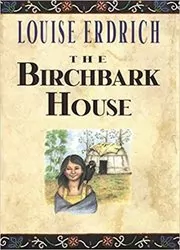
The Birchbark House
by Louis edrich & Louise Erdrich
1999
The first book in the award-winning series, introducing Omakayas, a young Ojibwe girl living on an island in Lake Superior in 1847. As her family prepares for winter, they face the arrival of a devastating smallpox epidemic that tests their strength and survival.
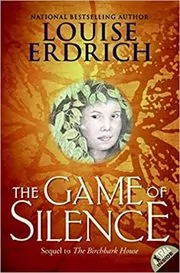
The Game of Silence
by Louise Erdrich
2005
In this sequel to *The Birchbark House*, Omakayas and her people face a new threat: government orders to leave their island home. The children play a game of silence to overhear the adults' worried councils, capturing the tension of a community on the brink of displacement.
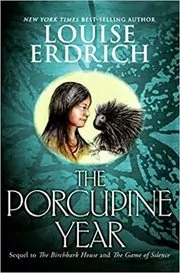
The Porcupine Year
by Louise Erdrich
2008
Omakayas and her family leave their beloved island and travel west, facing a harsh and hungry winter. After a comical but dangerous accident involving a porcupine, the family must rely on their wits and one another to survive the journey to a new home.
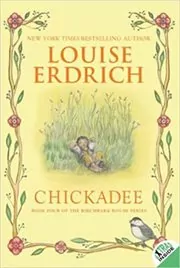
Chickadee
by Louise Erdrich
2012
Moving to the next generation of the Birchbark family, this story follows Omakayas’s twin grandsons. When the quiet, nature-loving Chickadee is kidnapped, he must embark on a daring journey to reunite with his brother and find his own strength.
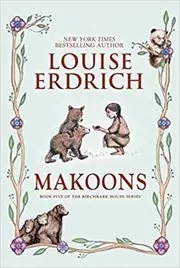
Makoons
by Louise Erdrich
2016
The sequel to *Chickadee* focuses on the other twin, Makoons, who foresees dark challenges for his family as they settle on the Great Plains. It is a story about the end of an era, as the buffalo herds diminish and the settler world closes in.
Birchbark House books in chronological order
Series background & context
For decades, the standard narrative of the American frontier was dominated by stories of covered wagons and pioneer families claiming new land. Louise Erdrich changes the camera angle entirely. With the Birchbark House series, she offers a vital, vibrant look at 19th-century America through the eyes of an Ojibwe child. It serves as a necessary balance to books like Little House on the Prairie, showing us that while settlers were moving in, Indigenous families were already there, living full and complex lives.
The journey begins in 1847 on an island in Lake Superior. We are introduced to Omakayas, a spirited seven-year-old girl, and her extended family. Their days are defined by a deep, rhythmic connection to the natural world. They build breathable birchbark homes for the summer months and shift to sturdy cedar cabins to withstand the harsh winters. It is a life of hard work, certainly, but also one filled with community, storytelling, and the comfort of tradition.
But history is quickly catching up to them.
The series does not shy away from the darker realities of the era. Early in the story, Omakayas faces a devastating smallpox epidemic that strikes her community and forever alters her family structure. Yet, this isn’t a tragedy of defeat. It is a story of profound resilience. As Omakayas grows up, she discovers she has a unique gift. She learns to listen to the spirits and the woods, eventually becoming a healer and a leader in her own right. Watching her evolve from a curious child into a wise woman is one of the most rewarding arcs in modern children's literature.
As the timeline moves forward, the scope of the story expands. The later books shift perspective to the next generation, focusing on Omakayas's twin grandsons. The setting changes, too. The encroaching settlement of white pioneers and rigid government treaties force the family to move westward, away from their beloved water and into the plains of Minnesota and the Dakotas. Erdrich captures the confusion and pain of displacement without ever losing the thread of family unity.
What makes these books feel so personal is Erdrich’s fingerprints on every page—literally. She sketched the intricate pencil illustrations herself, basing them on historical research and her own family history. She also weaves the Ojibwe language seamlessly into the dialogue. You don't need a dictionary to understand it; the context teaches you the words naturally. It adds a texture of authenticity that a standard historical novel simply cannot match.
Erdrich has said she wrote these stories because she wanted her own daughters to see themselves in American history, rather than just serving as background characters in a settler's adventure. The result is a warm, funny, and heartbreaking collection. It proves that while land can be lost, the stories that bind a people together are impossible to take away.








Edited by
Software engineer whose passion for tracking book recommendations from podcasts inspired the creation of MRB.
Lead investor at 3one4 Capital whose startup expertise and love for books helped shape MRB and its growth.
Comments
Did we miss something? Have feedback?
Help us improve this page by sharing your thoughts