
Bibliomysteries (Andrew Taylor) Books in Order
Part ofAndrew Taylor Books in OrderExplore Andrew Taylor's Bibliomysteries stories in order, with quick summaries, anthology context, and guidance on where this book fits.
Last updated:
As an Amazon Associate, we earn from qualifying purchases (at no extra cost to you).
Bibliomysteries (Andrew Taylor) books in publication order
1 book
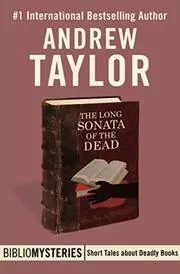
The Long Sonata of the Dead
by Andrew Taylor
2013
This short return to the world of Roth uses music and memory to reopen an old wound. Brief and unsettling, it adds another eerie note to the trilogy's dark history.
Bibliomysteries (Andrew Taylor) books in chronological order
Series background & context
Andrew Taylor's Bibliomystery work is best thought of as his contribution to a wider shared project rather than a long-running sequence of linked novels. Bibliomysteries, as the name suggests, are crime stories built around the world of books: collectors, manuscripts, dealers, archives, readers, annotations, and the strange power that old texts can hold over living people.
That premise suits Taylor very well.
A lot of his fiction is already interested in documents, hidden histories, scholarship, and the way the past survives in objects. In the Bibliomystery setting, those interests are compressed into a shorter, sharper form. Instead of a sprawling historical puzzle or a multi-generational crime story, you get a compact mystery where a clue on a page, a damaged volume, or a tiny physical detail can change everything.
Taylor's entry in this world, The Scratch, has the same qualities readers often come to him for elsewhere: atmosphere, intelligence, and a strong sense that small signs matter. The pleasures are a bit different from the big series. There is less room for a wide cast or a slow-burn emotional arc. In return, the story can move with the clean pressure of a classic short mystery, setting up a bookish problem and tightening it until the hidden danger becomes clear.
This is also a good corner of Taylor's work for readers who like literary settings but do not want something dusty or academic. In a Bibliomystery, books are never just decorative. They can be evidence, leverage, obsession, temptation, or bait. The people around them, librarians, buyers, scholars, heirs, or collectors, are there because they want something, and wanting something in a crime story is always where trouble starts.
Short does not mean slight.
If you are curious about how Andrew Taylor handles a more concentrated mystery, or you simply enjoy crime fiction where the physical world of books is part of the suspense, this series page is a useful guide. It shows where his Bibliomystery sits beside the longer novels and what kind of reader it is likely to suit.



Edited by
Software engineer whose passion for tracking book recommendations from podcasts inspired the creation of MRB.
Lead investor at 3one4 Capital whose startup expertise and love for books helped shape MRB and its growth.
Comments
Did we miss something? Have feedback?
Help us improve this page by sharing your thoughts