
Baroness Orczy Books in Order
Browse Baroness Orczy books in order, with quick summaries, Scarlet Pimpernel reading paths, detective series notes, and help choosing where to start.
Last updated:
As an Amazon Associate, we earn from qualifying purchases (at no extra cost to you).
Baroness Orczy books in publication order
50 books

The Emperor's Candlesticks
by Baroness Orczy
1899
Two rival spies seize on a pair of hollow candlesticks as a way to move secret messages into Russia. Kidnapping, border crossings, and divided loyalties give Orczy's debut its momentum.
The Case of Miss Elliott
by Baroness Orczy
1905
This first book collection of the Old Man in the Corner stories sends Polly Burton after obscure murders and baffling clues. The detective never leaves his chair, but his logic reaches everywhere.

The Scarlet Pimpernel
by Baroness Orczy
1905
During the Reign of Terror, a mysterious Englishman rescues aristocrats from the guillotine while France hunts his identity. Marguerite St. Just must choose between blackmail, loyalty, and the truth about her husband.

I Will Repay
by Baroness Orczy
1906
Juliette de Marny enters Paul Déroulède's house bent on revenge for her brother's death. But love, guilt, and the Scarlet Pimpernel complicate a plan that seemed simple at the start.

Beau Brocade
by Baroness Orczy
1907
After the Jacobite defeat, a hunted earl hides on the Derbyshire moors while a masked highwayman robs the rich and helps the poor. Orczy blends fugitive suspense with romantic adventure.
The Elusive Pimpernel
by Baroness Orczy
1908
Chauvelin lures Marguerite toward France with what looks like a perfect trap, hoping to bring Percy within reach of the guillotine. The real pleasure is watching Sir Percy turn the snare back on him.

The Old Man in the Corner
by Baroness Orczy
1908
A shabby, sharp-eyed stranger in a London tea shop solves notorious crimes by pure reasoning. Polly Burton listens, questions, and slowly realizes just how much he can see.

Lady Molly Of Scotland Yard
by Baroness Orczy
1910
Lady Molly Robertson-Kirk solves crimes for Scotland Yard with patience, nerve, and a gift for reading people. Orczy gives her early female detective room to be both practical and quietly daring.

Petticoat Government
by Baroness Orczy
1910
This French court romance follows Lydie d'Aumont as she is caught between passion, duty, and Pompadour's world of influence. Orczy balances glittering manners with real political danger.

Petticoat Rule
by Baroness Orczy
1910
At the court of Louis XV, Madame de Pompadour's influence shapes both politics and private lives. Lydie d'Aumont must navigate power, charm, and two very different suitors.

A True Woman / The Heart of a Woman
by Baroness Orczy
1911
Louise Harris seems safely engaged until a rival heir appears and is found stabbed in a cab. Suddenly love, money, and murder are bound up in one painful trial.
The Nest of the Sparrowhawk
by Baroness Orczy
1911
In Puritan Kent, a ruthless guardian disguises himself as an exiled prince to trick his young ward into marriage. Orczy turns the scheme into a dark historical tale of deception and confinement.
Meadowsweet
by Baroness Orczy
1912
At lonely Old Manor Farm, two sisters grow into very different women. Ambition, selfishness, and a disastrous marriage turn this quiet country story into a tense domestic drama.
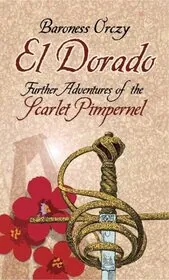
El Dorado
by Baroness Orczy
1913
Armand's recklessness gives Chauvelin his best chance yet to strike at the Pimpernel. The prize is the young Dauphin, and Percy must escape prison before France closes around him.
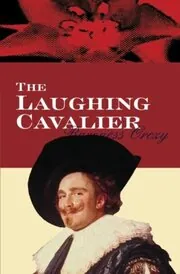
The Laughing Cavalier
by Baroness Orczy
1914
Set in the Dutch Republic, this swashbuckler follows the ancestor of Sir Percy Blakeney under the name Diogenes. It folds duels, politics, and Frans Hals's famous portrait into one lively adventure.

A Bride Of The Plains
by Baroness Orczy
1915
In a Hungarian village, Elsa and Andor are parted by conscription and family pressure, then forced back together on the eve of her unwanted marriage. Love, sacrifice, and violence erupt against a vivid rural backdrop.

Leatherface
by Baroness Orczy
1916
In old Flanders, the fugitive Prince of Orange is hunted while plots thicken around him. Orczy builds the suspense around masks, divided loyalties, and the feared figure called Leatherface.
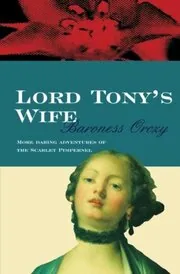
Lord Tony's Wife
by Baroness Orczy
1916
As revolution erupts in Brittany, love and old feuds pull Lord Tony into a dangerous fight for survival. The story mixes peasant unrest, family honor, and one of Orczy's most impetuous heroes.

A Sheaf of Bluebells
by Baroness Orczy
1917
Royalists return to France under Napoleon and find old family divisions still raw. Love and inheritance collide with politics as loyalties split between crown, empire, and home.

The Man In Grey
by Baroness Orczy
1918
A shadowy figure moves through Napoleonic France, close to the hunt for royalists and political criminals. Orczy gives the story a dark atmosphere of secrecy, surveillance, and revenge.

His Majesty's Well-Beloved
by Baroness Orczy
1919
Set in Restoration London, this historical romance circles around the actor Thomas Betterton, Mary Saunderson, and the friend who tells their story. Orczy mixes theater, reputation, and tangled affection.
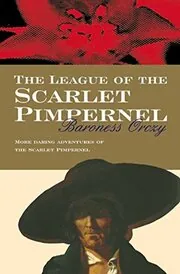
The League Of The Scarlet Pimpernel
by Baroness Orczy
1919
These linked stories widen the Pimpernel world, showing the many rescues carried out by Sir Percy and his network. Each case offers a new disguise, a new escape, or a new trap.

Castles in the Air
by Baroness Orczy
1921
Part short novel, part linked reminiscence, this book follows Ratichon, a boastful rogue moving through early nineteenth century Paris. The fun lies in his voice, his schemes, and the question of how much to believe.
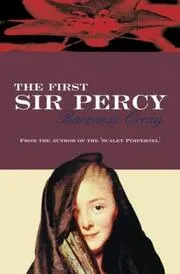
The First Sir Percy
by Baroness Orczy
1921
This sequel to The Laughing Cavalier continues the story of the earlier Percy Blakeney in the Dutch Republic. Orczy gives the Pimpernel legend an adventurous family prehistory.
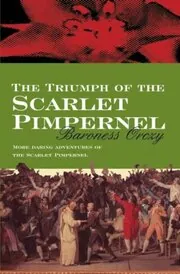
The Triumph Of The Scarlet Pimpernel
by Baroness Orczy
1922
Sir Percy moves through the last violent phase of the Revolution, crossing paths with Thérésa Cabarrus, Tallien, and Chauvelin. History and adventure meet in one of the series' most political books.
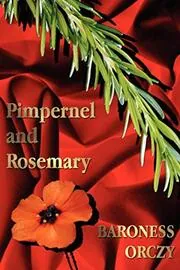
Pimpernel and Rosemary
by Baroness Orczy
1924
After the First World War, a Blakeney descendant is drawn into the tensions of Transylvania and Hungarian politics. The book keeps Orczy's taste for loyalty and peril, but in a newer century.

The Honourable Jim
by Baroness Orczy
1924
Sometimes called Orczy's English answer to the Pimpernel, this adventure follows a gentleman whose easy manner hides unusual daring. Expect disguises, pursuit, and a hero who does his best work in secret.
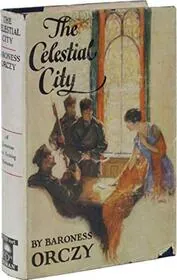
The Celestial City
by Baroness Orczy
1926
Love, sacrifice, and political upheaval drive this later Orczy novel, which moves through exile, danger, and long separation. It blends personal feeling with a broader struggle against revolutionary change.
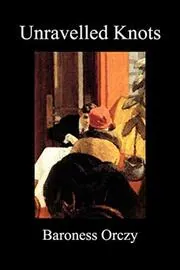
Unravelled Knots
by Baroness Orczy
1926
After a long gap, the Old Man in the Corner is back in his tea shop, still tying string and solving crimes for pleasure. These stories keep the focus on talk, logic, and elegant explanations.

Sir Percy Hits Back
by Baroness Orczy
1927
Fleurette, the daughter of Chauvelin, is accused of treason when the Revolution finally reaches her own life. To save her, the great enemy of the Pimpernel must ask Percy for help.

Skin o' My Tooth
by Baroness Orczy
1928
Patrick Mulligan, the shambling Irish lawyer known as Skin o' My Tooth, stumbles into cases that demand more brains than polish. These stories are part legal mystery, part comic character study.

Blue Eyes and Gray
by Baroness Orczy
1929
A later Orczy romance about appearances, memory, and feelings that prove harder to read than they seem. The drama comes from misunderstandings, shifting loyalties, and emotional reversals.
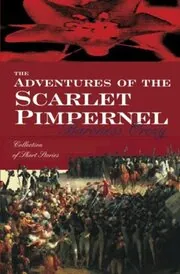
The Adventures Of The Scarlet Pimpernel
by Baroness Orczy
1929
This story collection follows Sir Percy and his league through a fresh round of rescues, traps, and disguises. It is a good pick if you want shorter bursts of Pimpernel action.

In the Rue Monge
by Baroness Orczy
1931
A short Scarlet Pimpernel adventure set in Paris, where one ordinary street becomes the center of a dangerous rescue. Orczy gets a lot of tension out of a small space and a tight clock.
Marivosa
by Baroness Orczy
1931
Set in the Brazilian sertão, this novel brings love, jealousy, and deception to a remote and unforgiving landscape. Even far from Europe, Orczy keeps the stakes personal and dramatic.
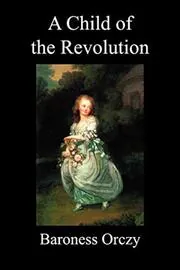
A Child of the Revolution
by Baroness Orczy
1932
Sir Percy tells the story of André Vallon, a Jacobin who uses the Revolution to force a marriage and then finds love tangled with revenge. It is a darker, more personal Pimpernel tale.
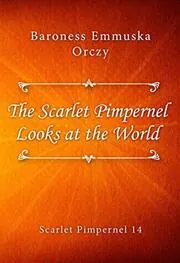
The Scarlet Pimpernel Looks at the World
by Baroness Orczy
1933
Not a novel but a collection of essays and reflections, this book shows Orczy's views on politics, history, and public life. It is useful for readers who want the ideas behind the fiction.

The Way Of The Scarlet Pimpernel
by Baroness Orczy
1933
Chauvelin closes in again as Sir Percy relies on disguise, nerve, and speed to stay free. Baron de Batz enters the game, giving this shorter Pimpernel novel a strong espionage edge.
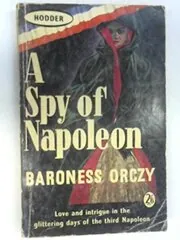
A Spy of Napoleon
by Baroness Orczy
1934
An illegitimate daughter of Louis Napoleon is recruited to spy for Napoleon III by marrying into the aristocracy he mistrusts. At the same time, the man she loves is sent undercover among revolutionaries.
The Uncrowned King
by Baroness Orczy
1935
Framed through old papers and diary entries, this novel follows the hidden line of the French royal claim after the Revolution. Orczy turns royalist loyalty into a tale of secrecy, memory, and inheritance.
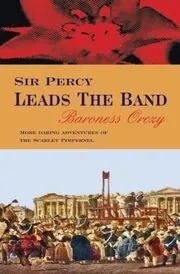
Sir Percy Leads The Band
by Baroness Orczy
1936
Set in the first months after The Scarlet Pimpernel, this adventure shows Sir Percy gathering his allies and beginning the work that made him famous. The rescues are risky, quick, and full of early Revolutionary danger.

No Greater Love
by Baroness Orczy
1938
Told by a young Russian, this late novel looks at lives overturned by the fall of the old order. Personal devotion and political catastrophe meet in one of Orczy's final historical dramas.

The Divine Folly
by Baroness Orczy
1938
Two English brothers cross Europe as members of a secret society bent on killing Napoleon III. Orczy mixes politics, conspiracy, and divided loyalties in a tight late historical thriller.
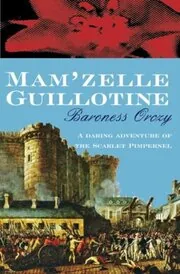
Mam'zelle Guillotine
by Baroness Orczy
1940
Gabrielle wants revenge on the Saint-Lucque family, even if it sends women and children to the guillotine. But the new agent hunting English rescuers is not what he seems.

Pride of Race
by Baroness Orczy
1942
This late historical romance turns on family pride, social pressure, and loyalties that refuse to bend. Orczy uses love and class conflict to ask what people will sacrifice for name, blood, and belonging.
Will O' The Wisp
by Baroness Orczy
1947
One of Orczy's late mysteries, this story follows a trail of false hopes, hidden danger, and elusive truth. The title suits a plot where what looks like rescue may lead deeper into trouble.

Fenchurch Street Mystery
by Baroness Orczy
2004
A body found in a barge turns a foggy railway station meeting into a baffling murder case. The Old Man in the Corner calmly reconstructs what happened from a tea shop table.
The Duffield Peerage Case
by Baroness Orczy
2004
Patrick Mulligan, called Skin o' My Tooth, is drawn into a murder tied to a disputed inheritance and a vanished set of affidavits. Orczy turns a family claim into a neat puzzle of fraud, motive, and timing.
The York Mystery
by Baroness Orczy
2004
The stabbing of bookmaker Charles Lavender destroys a household and leaves Lord Arthur Skelmerton under suspicion. Orczy builds the case through grief, bad evidence, and one of her most haunting unsolved crimes.
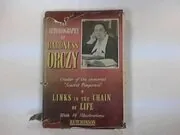
Links in the chain of life
by Baroness Orczy
2020
Orczy looks back on her Hungarian childhood, London art school years, marriage, and long writing career. It is a warm memoir of the life behind the Scarlet Pimpernel and the books that followed.
Where to start with Baroness Orczy
For the classic swashbuckling entry point: The Scarlet Pimpernel → Sir Percy Leads The Band → I Will Repay
If you want the best-known follow-up adventures: The Elusive Pimpernel → El Dorado → The Triumph Of The Scarlet Pimpernel
If you prefer detective puzzles: The Old Man in the Corner → The Case of Miss Elliott → Unravelled Knots
For an early female detective: Lady Molly Of Scotland Yard
For the family backstory: The Laughing Cavalier → The First Sir Percy
Baroness Orczy sub-series and character series
Baroness Orczy collections, short stories, and related book types
Short Story Collections
Non-Fiction
Standalone Baroness Orczy books
Author bio
Baroness Orczy was born Emma Orczy in Tarnaörs, Hungary, on September 23, 1865. She came from an old noble family, but her early life was less settled than the title might suggest. After unrest in the countryside, her family left their estate and lived in Budapest, Brussels, and Paris before moving to London while she was still a teenager.
That move mattered. Orczy learned English only after arriving in Britain, yet she ended up writing some of the best known popular fiction of her era in that language. Before fiction took over, she studied at the West London School of Art and the Heatherley School of Fine Art, hoping to make her way as an artist.
Art school also changed her personal life. There she met the illustrator Montagu Barstow, whom she married in 1894. Money was tight in the early years, and the couple worked as illustrators and translators to keep going. Their only child, John, was born in 1899, and Orczy began writing seriously soon after.
Her first novel, The Emperor's Candlesticks, did not make much of a splash.
She found steadier ground in magazine fiction. Her detective stories introduced readers to The Old Man in the Corner, a shabby, string-twisting armchair sleuth who solves crimes from a tea shop table, and later to Lady Molly Of Scotland Yard, one of the early women detectives in popular fiction. Readers still come to these books for the neat puzzles, the brisk setups, and the pleasure of watching a sharp mind quietly outpace the police.
Then came the character who changed everything. Orczy later said she first imagined the Scarlet Pimpernel while standing on a London Underground platform. She and Barstow turned the idea into a play, and the novel version of The Scarlet Pimpernel followed in 1905 after a string of publisher rejections. Once the play took off in London, Orczy had her great success, and she spent years returning to Sir Percy Blakeney in books such as I Will Repay, The Elusive Pimpernel, and The Triumph Of The Scarlet Pimpernel.
She had a real gift for hidden identities, reversals, and last minute escapes.
A lot of Orczy's fiction runs on loyalty, nerve, and performance. Her heroes and heroines are forever acting a part, reading a room, or hiding what they feel until the exact right moment. Even outside the Pimpernel books, she liked historical settings, political danger, and people whose public mask concealed something fiercer underneath. Now and then she also wrote closer to home, drawing on Hungarian settings and memories in books such as A Bride Of The Plains and later Pimpernel and Rosemary.
She was outspoken in public life too. During the First World War she founded the Women of England's Active Service League, a volunteer movement meant to encourage enlistment. Her politics were strongly conservative and openly pro aristocracy, and those beliefs are not hard to spot in her fiction.
Success eventually gave her a far more comfortable life than the one she and Barstow had started with. They spent later years partly in Monte Carlo, and during the Second World War she remained there for a time, unable to get back to England. After Barstow died in 1942, she wrote her memoir, Links in the Chain of Life. She died in 1947, leaving behind swashbucklers, detectives, theatrical villains, and one of the clearest early models for the secret identity hero.








Edited by
Software engineer whose passion for tracking book recommendations from podcasts inspired the creation of MRB.
Lead investor at 3one4 Capital whose startup expertise and love for books helped shape MRB and its growth.
Comments
Did we miss something? Have feedback?
Help us improve this page by sharing your thoughts