
Axis Of Time: Stalin's Hammer Books in Order
Part ofJohn Birmingham Books in OrderFind the Axis Of Time: Stalin's Hammer books by John Birmingham in order, with short summaries and background on this colder, spy-heavy follow-up.
Last updated:
As an Amazon Associate, we earn from qualifying purchases (at no extra cost to you).
Axis Of Time: Stalin's Hammer books in publication order
3 books
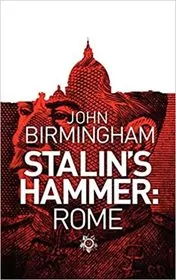
Rome
by John Birmingham
2012
In an alternate 1955, Prince Harry moves through a divided Rome of spies, assassins, and Cold War tension. One hidden industrial secret could give Stalin the power to break the balance of the world.
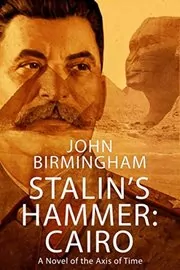
Cairo
by John Birmingham
2016
Prince Harry heads into the Middle East as Stalin reaches for a weapon that could lock his empire in place. Fighter jets, spies, and shattered history collide in a tight alternate-history thriller.
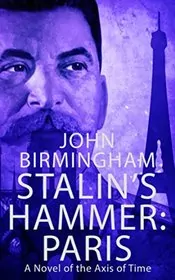
Paris
by John Birmingham
2016
With Europe divided and Stalin pushing west, Prince Harry races to stop a superweapon before it reshapes the Cold War for good. The novella moves quickly, from espionage to open confrontation.
Axis Of Time: Stalin's Hammer books in chronological order
Series background & context
If the original Axis Of Time books are about smashing World War II apart, the Stalin's Hammer sequence is about living in the stranger world that comes after. These stories are set about a decade later, in an alternate 1955 shaped by the arrival of that future fleet. Hitler is gone, but peace never settled cleanly. The new fault line is Stalin, his empire, and the fear that the broken timeline has handed him the tools to dominate what remains of the world.
The scale gets smaller, and that helps.
Instead of broad front-line campaigns, these books lean into espionage, covert missions, divided cities, and political brinkmanship. Rome, Cairo, and Paris are not just backdrop names. Each place feels like a pressure point in a world trying to hold itself together. Birmingham uses those settings well. Catacombs, embassies, safe houses, glittering parties, dead drops, and bombed-out streets all sit side by side. The war has changed shape, but it has not gone away.
Prince Harry becomes one of the key connective figures here, which gives the sequence a different flavour from the main trilogy. He is still operating inside a military and intelligence world, but the fights are more intimate, more secretive, and more tangled up with assassins, double games, and stolen knowledge. These books ask what happens when the future does not just change a battlefield. It changes the terms of diplomacy, deterrence, and fear.
There is also a strong sense of unfinished business running through the series. The old war solved some things and made others worse. Future technology is still out there. Old ideologies are still alive. The people trying to stop disaster are often working with limited time, compromised allies, and partial information. That gives the sequence a nice cold-war edge even though the timeline is nothing like our own.
Think of Stalin's Hammer as the bridge between the big World War II books and the later, even larger conflict that grows out of them. It is best read in order, and best read after the original Axis Of Time novels, because much of the tension comes from seeing how the first break in history keeps throwing off dangerous aftershocks.







Edited by
Software engineer whose passion for tracking book recommendations from podcasts inspired the creation of MRB.
Lead investor at 3one4 Capital whose startup expertise and love for books helped shape MRB and its growth.
Comments
Did we miss something? Have feedback?
Help us improve this page by sharing your thoughts