
Anna Burns Books in Order
See Anna Burns books in order, with short summaries, where to start, and helpful background on her novels so you can choose your next read with confidence.
Last updated:
As an Amazon Associate, we earn from qualifying purchases (at no extra cost to you).
Anna Burns books in publication order
5 books
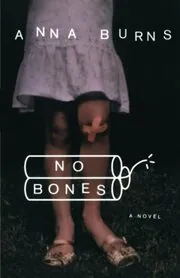
No Bones
by Anna Burns
2001
Amelia Lovett grows up in Belfast as bombings, fear, and family damage seep into ordinary life. Funny, harsh, and deeply sad, this novel follows childhood, adolescence, and breakdown in a community warped by the Troubles.
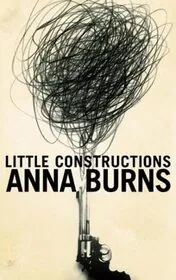
Little Constructions
by Anna Burns
2007
When Jetty Doe storms out of a gun shop and into a taxi, the novel opens up the violent secrets of Tiptoe Floorboard. It is a blackly comic, unsettling story about clan loyalty, buried abuse, and the lies that keep a town in line.
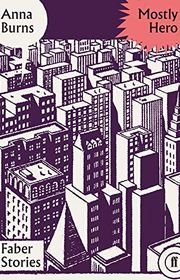
Mostly Hero
by Anna Burns
2014
A superhero, a femme fatale, and a murderous great-aunt collide in this odd, quick-moving novella. Beneath the comic-book setup, Burns is writing about love, suspicion, and the emotional mess people bring into close relationships.
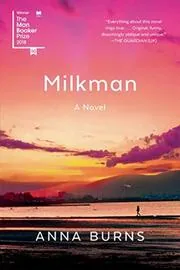
Milkman
by Anna Burns
2018
In an unnamed city shadowed by fear and gossip, eighteen-year-old middle sister draws the attention of a powerful older man known as Milkman. Burns turns rumor, surveillance, and everyday coercion into a tense, darkly funny portrait of life under pressure.
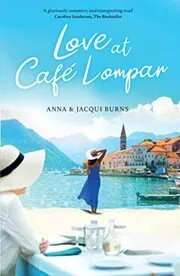
Love at Cafe Lompar
by Anna Burns
2021
After her husband's death reveals a hidden second family, Grace heads to Montenegro with her daughter Kat. What begins as a search for answers turns into a story about grief, food, new bonds, and the risky chance to start again.
Where to start with Anna Burns
If you want the main reading path: No Bones → Little Constructions → Mostly Hero → Milkman
If you want Belfast and the Troubles first: No Bones → Milkman
If you want the shortest way into her style: Mostly Hero
If you want the contemporary family story on this page: Love at Cafe Lompar
Anna Burns collections, short stories, and related book types
Faber Stories
Standalone Anna Burns books
Author bio
Anna Burns was born in Belfast on 7 March 1962 and grew up in Ardoyne, a working-class Catholic area in north Belfast. She was one of seven children, and the Troubles were not something happening far away. In that part of the city, they shaped the feel of ordinary life.
When violence escalated, her family was temporarily evacuated to the Republic of Ireland. Burns went to St Gemma's High School, but she has said formal education never fully clicked for her. Reading did, and later a night class in English helped open literature up in a bigger way.
In 1987 she moved to London to study Russian at Queen Mary College. She left before finishing the degree, but the move still mattered. Distance from Belfast gave her room to think about where she had come from and, slowly, how she might write about it.
Writing arrived late, and a bit sideways.
In her thirties, Burns bought a cheap sketch pad in an art shop, picked up The Artist's Way, and then went along to an adult evening class in creative writing. She has described that period as a rush of energy, with the work arriving before any clear career plan did. It was less a tidy decision to become a writer than a moment when writing suddenly took over.
Her first novel, No Bones, appeared in 2001. It follows Amelia Lovett from childhood into adult damage as violence, fear, and neglect seep through home, school, sex, and family life in Belfast. Readers often respond to the way Burns can be very funny and very harsh in the same paragraph. The book won the Winifred Holtby Memorial Prize and was shortlisted for the Orange Prize for Fiction.
Her second novel, Little Constructions, came out in 2007 and pushed further into black comedy and damaged social worlds. Set in the town of Tiptoe Floorboard, it circles the Doe clan, a family of criminals, victims, and enablers, and shows Burns's feel for closed communities ruled by fear, shame, and half-spoken truths.
She can be playful, too.
In the novella Mostly Hero, first published in 2014, she borrows the language of superheroes and villains to write about romance, suspicion, family damage, and the strange stories people tell themselves about power. Even at her most oddball, she keeps returning to emotional pressure and social performance.
Then came Milkman in 2018, the book that brought her to a much wider audience. Set in an unnamed city during the Troubles, it follows an eighteen-year-old middle sister as rumor, coercion, and the unwanted attention of an older paramilitary man close in around her. It won the Booker Prize, making Burns the first Northern Irish writer to take it. The novel later also won the National Book Critics Circle Award for Fiction, the Orwell Prize for Political Fiction, and the International Dublin Literary Award.
What many readers like most about Burns is the voice. Her books listen closely to how people talk around danger rather than straight at it. She writes about women under scrutiny, neighborhoods full of pressure, families built on denial, and the way gossip can become a form of control. Belfast is often near the center, even when she bends names and geography.
Burns has spent much of her adult life in England and has spoken openly about difficult years before Milkman changed the scale of her readership. That late arrival to wider fame feels in character. Her fiction is sharp, funny, unsettling, and very much its own.
Edited by
Software engineer whose passion for tracking book recommendations from podcasts inspired the creation of MRB.
Lead investor at 3one4 Capital whose startup expertise and love for books helped shape MRB and its growth.
Comments
Did we miss something? Have feedback?
Help us improve this page by sharing your thoughts