
Albert Payson Terhune Books in Order
Explore Albert Payson Terhune books in order, from Sunnybank dog stories to memoirs and adventures, with summaries, series background, and where to start.
Last updated:
As an Amazon Associate, we earn from qualifying purchases (at no extra cost to you).
Albert Payson Terhune books in publication order
60 books

Syria from the Saddle
by Albert Payson Terhune
1896
Terhune's first book draws on his trip through the Middle East and reads as a travel narrative from horseback. It mixes youthful observation, movement, and curiosity about places far from home.
Columbia Stories
by Albert Payson Terhune
1897
An early collection of campus stories rooted in college life, young ambition, and social comedy. It catches Terhune before the dog books, writing about people and place instead.
Caleb Conover, Railroader
by Albert Payson Terhune
1907
A railroad and political novel about Caleb Conover, a self-made magnate trying to turn power and money into social standing. Terhune uses the story to explore ambition, class, and public image.
The World's Great Events
by Albert Payson Terhune
1908
A broad popular-history volume that sketches major world events for general readers. It shows Terhune in explanatory mode before he became famous for dog fiction.
The Fighter
by Albert Payson Terhune
1909
An early Terhune novel driven by forceful personalities, public conflict, and the rough energy suggested by its title. It is a human drama of pressure, willpower, and showdown.

The Return of Peter Grimm
by Albert Payson Terhune
1912
A novelization of the well-known play about Peter Grimm, an old man who returns after death to see how his loved ones are faring. It leans into sentiment, second chances, and unfinished business.
The Woman
by Albert Payson Terhune
1912
A novelization of William C. de Mille's play, centered on marriage, sacrifice, and the hard choices hidden under social polish. Terhune keeps the story moving like stage drama on the page.
Dad
by Albert Payson Terhune
1914
A historical adventure, written with Sinclair Lewis, that follows a boy called Dad through war, family upheaval, and acts of courage. It mixes coming-of-age feeling with large-scale action.
The Story of Damon and Pythias
by Albert Payson Terhune
1915
A retelling of the classical legend of Damon and Pythias, with friendship, loyalty, and mortal risk at the center. Terhune tells the old story in plain, dramatic fashion.
Superwomen
by Albert Payson Terhune
1916
A lively set of historical profiles about powerful and notorious women who bent courts and politics to their will. Terhune is more interested in personality and influence than dry chronicle.
Dollars and Cents
by Albert Payson Terhune
1917
A brisk early novel about money pressure and the way financial trouble reshapes relationships. Terhune treats cash as both plot engine and character test.
The Years of the Locust
by Albert Payson Terhune
1917
A dramatic pre-dog novel of ruin, reversal, and hard emotional weather. It belongs to Terhune's melodramatic side, where disaster strips people down fast.
Fortune
by Albert Payson Terhune
1918
A pre-Lad novel about money, luck, and the trouble people invite when they chase security or status too hard. The focus here is on human motives rather than dogs.
Wonder Women in History
by Albert Payson Terhune
1918
A gallery of lively historical sketches about famous women who used charm, nerve, intellect, or influence to shape the world around them. Terhune writes them as character studies more than formal history.
Lad, a Dog
by Albert Payson Terhune
1919
Terhune's best-known book gathers linked stories about Lad, a rough collie at the Place, and the people who love him. Snake, show ring, rival dogs, and quiet household moments all feed into his legend.
Bruce
by Albert Payson Terhune
1920
Bruce, another Sunnybank collie, faces separation, training, and wartime danger in a story that pushes the dog far beyond home ground. It is one of Terhune's most openly adventure-driven dog novels.
Buff
by Albert Payson Terhune
1921
Buff is a collie with a big job, clearing his master's name after a theft throws suspicion in the wrong direction. The title story is joined by other dog adventures full of loyalty and quick thinking.
The Heart of a Dog
by Albert Payson Terhune
1921
A collection of dog stories that leans into loyalty, instinct, and the patience dogs show toward flawed people. Terhune moves between suspense, rescue, and quiet affection.
The Man in the Dark
by Albert Payson Terhune
1921
A suspense novel about hidden identity, danger, and the unnerving figure suggested by the title. It belongs to Terhune's thriller side rather than his better-known collie fiction.
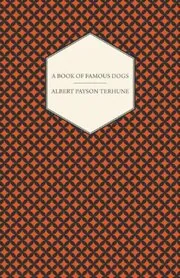
A Book of Famous Dogs / Famous Dog Stories Every Child Should Know
by Albert Payson Terhune
1922
A collection of famous dog stories, mixing history, anecdote, and Terhune's affection for canine courage. It is aimed at younger readers but still moves with the pace of his other dog books.
Black Caesar's Clan
by Albert Payson Terhune
1922
A Florida mystery about buried pirate treasure, hostile locals, and the long shadow of Black Caesar's legend. Terhune mixes tropical atmosphere with a classic hunt-for-loot plot.
Black gold
by Albert Payson Terhune
1922
A human-centered novel of greed, danger, and the scramble for sudden wealth. It shows Terhune away from the kennels and working in straight suspense.
Further Adventures of Lad / Dog Stories Every Child Should Know
by Albert Payson Terhune
1922
This sequel returns to Lad for more linked stories, including early moments at the Place and some of the most emotional turns in his life. It expands the first book without losing the dog-centered adventure.
His Dog
by Albert Payson Terhune
1922
A loyal dog stands at the center of this collection of linked stories, where plainspoken people and hard situations bring out both courage and tenderness. Terhune keeps the focus on character as much as action.
My Friend the Dog
by Albert Payson Terhune
1922
A broad collection of dog stories, from comic puppy chaos to rescue and sacrifice, capped with a look at the dogs of Sunnybank. It is one of Terhune's warmest books about what dogs teach people.
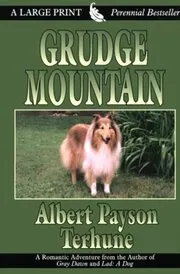
Grudge Mountain / Dog of the High Sierras
by Albert Payson Terhune
1923
Set in the high Sierra country, this novel follows a dog through wilderness danger, human conflict, and the hard conditions of mountain life. It is one of Terhune's rougher outdoor adventures.
Lochinvar Luck
by Albert Payson Terhune
1923
A scrawny collie pup from Scotland grows into a handsome, ribbon-winning dog after a hard year in the wild. Terhune balances show-dog pride with survival and loyalty.

The Pest
by Albert Payson Terhune
1923
A tense standalone novel about a destructive troublemaker and the strain he puts on everyone around him. Terhune keeps it sharp, nervous, and much more human than canine.
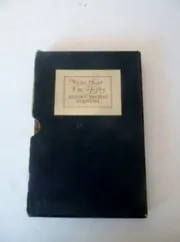
Now That I'm Fifty
by Albert Payson Terhune
1924
A reflective essay collection in which Terhune looks at age, work, habits, and the pleasures and annoyances of everyday life. The tone is personal, opinionated, and often amused.

The Tiger's Claw
by Albert Payson Terhune
1924
An adventure thriller of pursuit, hidden motives, and escalating peril. It belongs to Terhune's human-centered side, where intrigue matters as much as action.
Treve
by Albert Payson Terhune
1924
Treve is a high-spirited collie with brains, speed, and a strong streak of mischief. The novel follows his growth from reckless youngster to dog whose loyalty matters when real danger arrives.

Around the World in Thirty Days
by Albert Payson Terhune
1925
A brisk travel book built from rapid movement, sharp observation, and the challenge of circling the globe on a tight schedule. Terhune writes like a reporter who enjoys the rush as much as the destination.
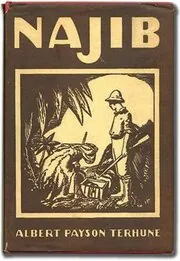
Najib
by Albert Payson Terhune
1925
An adventure novel set in the Middle East, following Najib through danger, shifting loyalties, and rough country far from Sunnybank. It shows Terhune working in travel romance and action rather than dog fiction.

The Runaway Bag
by Albert Payson Terhune
1925
A runaway piece of luggage sets off mistaken identity, pursuit, and a string of comic complications. It is one of Terhune's lighter human-centered adventures.
Wolf
by Albert Payson Terhune
1925
Lad's son gets his own novel, and he is brighter, less steady, and more troublesome than his famous father. The linked episodes follow Wolf through traps, kidnappers, and hard tests of character.
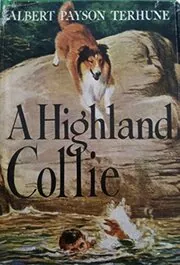
The Luk of the Laird / A highland collie
by Albert Payson Terhune
1926
A Highland-set collie adventure about a dog and master caught up in fear, loyalty, and the pull of old-country legend. The wilder setting gives it a different feel from the Sunnybank books.
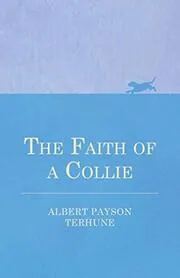
Treasure/The Faith of a Collie
by Albert Payson Terhune
1926
A treasure-hunt adventure in which a collie helps track down a Revolutionary War chest while danger closes in from human enemies. It is one of Terhune's clearest blends of mystery and dog story.
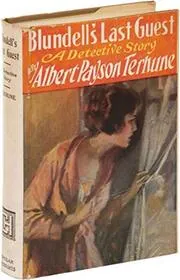
Blundell's last guest
by Albert Payson Terhune
1927
A tense early adventure story about a stranger, a dangerous meeting, and trouble that grows as the situation tightens. It is leaner and darker than Terhune's better-known dog books.
Bumps
by Albert Payson Terhune
1927
A human-centered standalone novel about setbacks, collisions, and the hard ride suggested by its title. It shows Terhune outside Sunnybank, working in brisk commercial fiction.
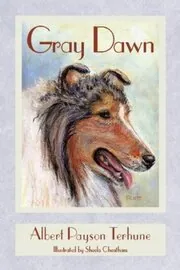
Gray Dawn
by Albert Payson Terhune
1927
Gray Dawn follows a big blue-merle collie who is awkward, mischievous, and forever being underestimated. His blunders cause trouble, but again and again he proves his courage and wins over the Master.
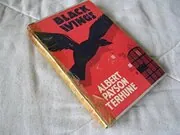
Black Wings.
by Albert Payson Terhune
1928
A short historical adventure full of battles, escape, prison, and patriot cause. It reads like a frontier yarn, with danger arriving from all sides and little time to breathe.
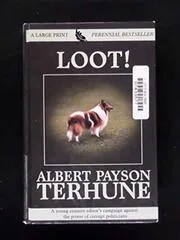
Loot!/Collie to The Rescue
by Albert Payson Terhune
1928
A fast-moving collie adventure that mixes the outdoors, human danger, and a dog who proves more reliable than anyone around him. This later edition was retitled Collie to the Rescue.

Water!
by Albert Payson Terhune
1928
An action novel of drought, fire, and conflict over the resource named in the title. Terhune keeps the pace high and the setting harsh, with danger always close at hand.
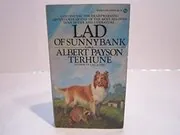
Lad of Sunnybank
by Albert Payson Terhune
1929
The last of the main Lad books returns to the Place for another set of linked adventures. Lad is older now, but he is still the steady heart of the household and its fiercest guardian.
The Secret of Sea-Dream House - A Novel
by Albert Payson Terhune
1929
A seaside mystery novel built around an old house, strange deaths, and the sense that the past has not stayed buried. Terhune trades collies for suspense, secrets, and a creeping gothic mood.

To the Best of My Memory
by Albert Payson Terhune
1930
A memoir in which Terhune looks back on family, journalism, travel, Sunnybank, and the long line of dogs that shaped his life. It is reflective, personal, and full of small remembered moments.
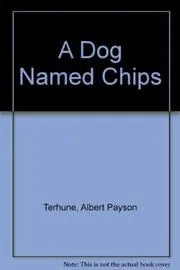
A Dog Named Chips
by Albert Payson Terhune
1931
A shabby little mongrel nobody would price highly becomes the hero of a funny, affectionate adventure. Chips is scrappy, unpredictable, and brave, and his mischief keeps turning into real importance.
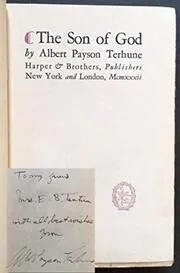
The Son of God
by Albert Payson Terhune
1932
Terhune retells the life of Jesus in straightforward narrative form, aiming for story and scene rather than formal theology. The tone is earnest, direct, and accessible.
The Way Of A Dog
by Albert Payson Terhune
1932
Part sequel to Gray Dawn and part wider Sunnybank collection, this book follows the big merle collie and several other dogs through rescues, mishaps, and close calls. It blends kennel observation with brisk adventure.
Letters of Marque
by Albert Payson Terhune
1934
A mystery-adventure built around an old house, family rumor, and a hunt for long-hidden treasure with roots in the War of 1812. Terhune leans into clues, legend, and sudden danger.
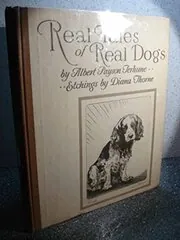
Real Tales of Real Dogs
by Albert Payson Terhune
1935
A lively collection about real dogs from many places and jobs, from war animals to household heroes. Terhune turns each case into a quick story of grit, instinct, and devotion.
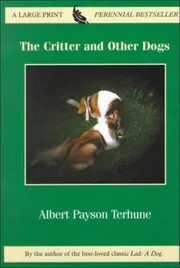
The Critter and Other Dogs
by Albert Payson Terhune
1936
A later collection of dog stories, many of them centered on Terhune's beloved collies. It moves between comedy, danger, rescue, and the everyday intensity of kennel life.
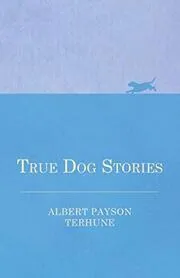
True Dog Stories
by Albert Payson Terhune
1936
A collection of true canine stories, focused on courage, loyalty, and the odd turns that bind dogs to people. The pieces are short, dramatic, and easy to dip into.
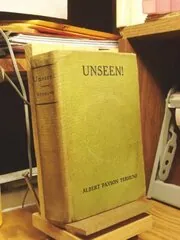
Unseen!
by Albert Payson Terhune
1937
A late mystery novel in which a silver-gray collie named Thor gets swept into a dangerous chase. Terhune mixes suspense, human menace, and a burst of canine heroism.
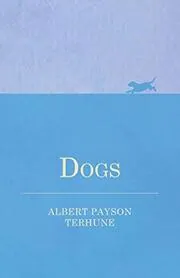
Dogs
by Albert Payson Terhune
1940
A conversational nonfiction book about dogs, their long partnership with people, and the qualities Terhune admired most in them. It mixes reflection, history, and canine lore.
Across the Line
by Albert Payson Terhune
1945
A posthumous volume assembled by Anice Terhune, presenting messages and conversations said to come from Albert Payson Terhune after death. It reads as a record of grief, faith, and the hope of continued life.
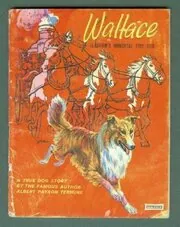
Wallace
by Albert Payson Terhune
1963
A short true-dog account of Wallace, the Glasgow firehouse mascot whose loyalty and bravery made him a local legend. Terhune tells the story as a brisk tribute to working-dog courage.

Best Dog in the World
by Albert Payson Terhune
1997
This picture-book adaptation sends Lad to a dog show, where his calm dignity and natural greatness stand out even in a crowded ring. It is a gentle introduction to the classic collie.

Lad to the Rescue
by Albert Payson Terhune
1997
A younger-reader retelling of one of Lad's best-known adventures, in which the collie uses courage and quick action to save a child's life. It keeps the classic Terhune premise in a shorter format.

Lad Is Lost
by Albert Payson Terhune
1998
A younger-reader retelling of Lad's most anxious adventure, following the collie after he is separated from home and must find his own way back. The story is simple, tense, and very dog-centered.
Where to start with Albert Payson Terhune
If you want the classic collie books: Lad, a Dog → Further Adventures of Lad / Dog Stories Every Child Should Know → Lad of Sunnybank
If you want strong standalones: Bruce → Treve → Wolf → Gray Dawn
If you want true and mixed-breed dog tales: A Dog Named Chips → Real Tales of Real Dogs → True Dog Stories
If you want Sunnybank background and reflection: My Friend the Dog → To the Best of My Memory → The Book of Sunnybank
Albert Payson Terhune sub-series and character series
Sunnybank books in order
Explore this series
A Book of Famous Dogs / Famous Dog Stories Every Child Should Know
by Albert Payson Terhune
1922Sunnybank, Book 8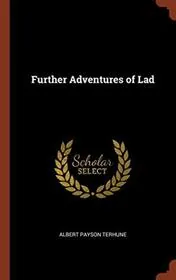
Further Adventures of Lad / Dog Stories Every Child Should Know
by Albert Payson Terhune
1922Sunnybank, Book 7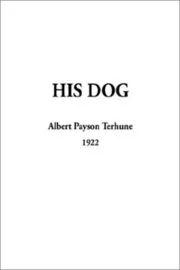

Sunnybank books in chronological order
Further Adventures of Lad / Dog Stories Every Child Should Know
by Albert Payson Terhune
1922Sunnybank, Book 7A Book of Famous Dogs / Famous Dog Stories Every Child Should Know
by Albert Payson Terhune
1922Sunnybank, Book 8
Albert Payson Terhune collections, short stories, and related book types
Non-Fiction
Standalone Albert Payson Terhune books
Author bio
Albert Payson Terhune was born in Newark, New Jersey, on December 21, 1872, into a family where writing was already part of everyday life. His mother, Mary Virginia Hawes Terhune, wrote bestselling household books and novels under the name Marion Harland, and his father, Edward Payson Terhune, was a minister. He grew up with books, strong opinions, and the family place at Sunnybank in northern New Jersey, a home that would later become the center of his best-known work.
Books were the family trade.
Terhune studied at Columbia University and took his B.A. in 1893. Soon after, he went into newspaper work at the New York Evening World, where he spent more than two decades as a reporter and writer. That job mattered. It gave him speed, a taste for drama, and the habit of making a scene move fast, all of which show up later in his fiction.
He wrote plenty before the collies took over. Early books like Syria from the Saddle, Caleb Conover, Railroader, and The Fighter show how wide his interests were, from travel to politics to straight melodrama. He was also known for his love of boxing and outdoor life, and he brought some of that restless energy onto the page.
Then Sunnybank became more than a family place. In 1912, Terhune made it his permanent home, and he and his second wife, Anice Potter Terhune, bred rough collies there. The estate, the kennels, the lake, the lawns, and the dogs all became part of his daily world. In his fiction, Sunnybank often turns into the Place, the almost mythic home ground where dogs and humans test each other.
A nudge from magazine life helped change everything.
Terhune had been trying for years to place dog stories, but the real break came when he began writing short pieces about his collie Lad for magazines in 1915. Those stories were gathered into Lad, a Dog in 1919, and that book made him famous. Readers responded to the way he wrote about canine loyalty, courage, intelligence, and the almost sacred bond between a dog and the people it loves.
After that came book after book, including Bruce, Treve, The Heart of a Dog, Gray Dawn, and A Dog Named Chips. Some are about noble collies, some about mischievous dogs who need to grow up, and some about real dogs from beyond Sunnybank. Readers who love him usually come for the same reasons: the brisk pace, the strong feeling for home ground, and the sense that his dogs have minds and wills of their own.
That dog world was never his only subject, but it became the one people remembered.
His books also carry the stamp of their era, and some modern readers find parts of his human portrayals dated or troubling. Even so, the best of the dog stories still have pull. They are simple in the good sense: clear stakes, strong feeling, and dogs who act with conviction while the humans are still catching up.
Terhune's personal life had hard turns too. His first wife, Lorraine Bryson Terhune, died only days after giving birth to their daughter. He later married Anice, who remained an important part of his life and literary legacy. He died on February 18, 1942, near Pompton Lakes, New Jersey, but Sunnybank did not disappear with him. Part of the property survives as Terhune Memorial Park, and for many readers that feels right. His books were never only about dogs. They were also about place, memory, and the homes we keep returning to.



Edited by
Software engineer whose passion for tracking book recommendations from podcasts inspired the creation of MRB.
Lead investor at 3one4 Capital whose startup expertise and love for books helped shape MRB and its growth.
Comments
Did we miss something? Have feedback?
Help us improve this page by sharing your thoughts